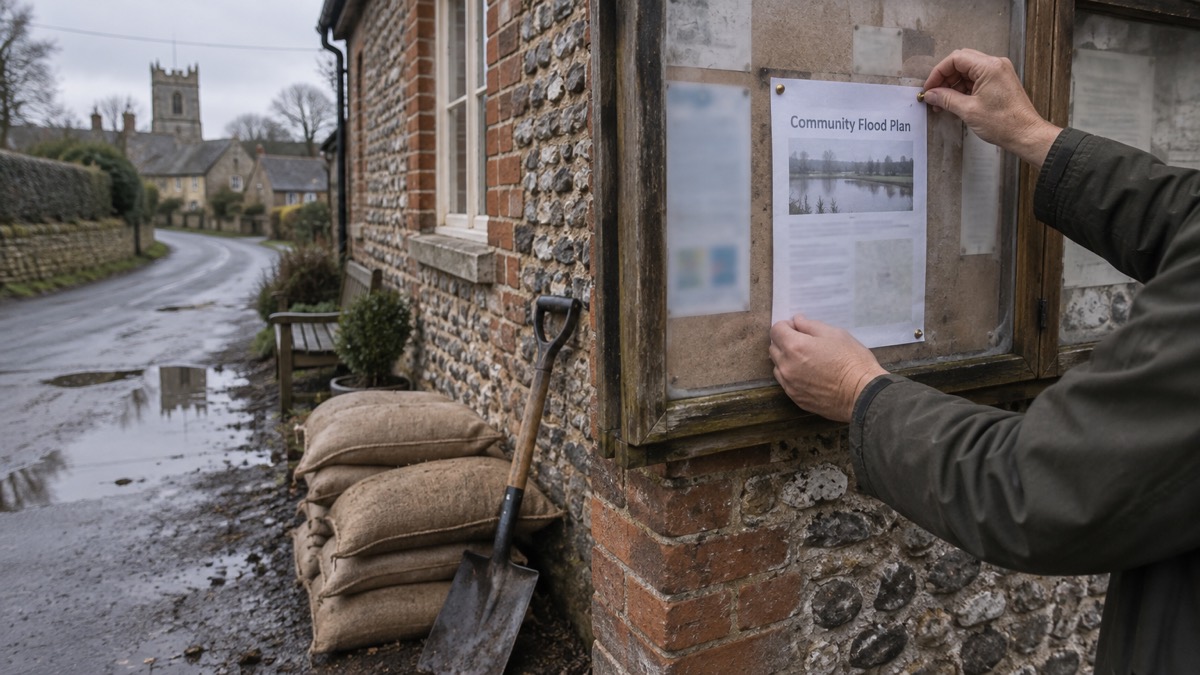
The Environment Agency updated its community flood plan guidance on GOV.UK on 15 November 20231. The page carries the line "Updated 15 November 2023" and states that it "Applies to England"1. It links to separate publications for Northern Ireland, Scotland and Wales1.
The guidance sets out what a community flood plan should contain and how it should be used. Under actions to take before a flood, it lists thinking through "how information will be communicated to residents and emergency services during a flood", describing or mapping "emergency routes and evacuation points", listing "contact information and locations of residents who need help and who could provide help", listing "volunteers and their contact information", and thinking "about how to scale up your response if a flood gets worse"1. It states that anyone gathering personal information from people must "comply with GDPR regulations"1.
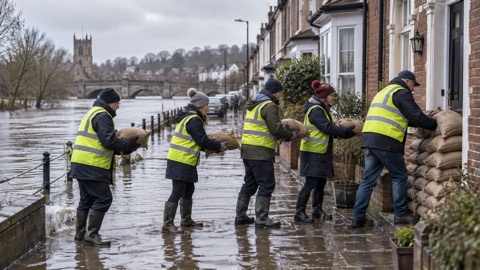
The page advises communities to "think what a flood would look like in your area, so you know what signs to look out for", citing water level trigger points on a bridge or lamppost, the condition of local flood defences, the direction a flood could come from, and the latest river, sea, groundwater and rainfall levels1. It suggests volunteers could help with communication and administration, moving furniture and other possessions, and checking on vulnerable neighbours1. It also advises that plans are checked regularly to confirm they will work and the information is up to date, and suggests asking the local Environment Agency office and council to help carry out a simulated flooding event1.
The checklist section gives examples of information a plan could include:
| Item listed in the guidance |
|---|
| The flood warnings the community is registered for |
| Local flood triggers, for example if the water reaches the bottom of a bridge |
| A list of locations at risk of flooding, their trigger level and actions to take |
| Any equipment needed and the timescale for carrying out the plan |
| Emergency contact information |
| Location and contact details of vulnerable people |
| Important contacts, including building services, utility suppliers and volunteers or flood wardens |
| Information about people who can help, for example with installing flood protection products, moving people to safe locations, emergency storage, emergency supplies and medical support |
On the division of responsibility, the guidance states:
"The emergency services are responsible for making sure the public are safe and co-ordinating the incident response."
It adds: "Do not put yourself or others at risk"1. When a flood happens and after a flood, the instruction is to "Follow your flood plan", alongside the personal flood plan and GOV.UK advice on what to do before, during and after a flood1. The page also suggests thinking about who the plan could be shared with, "for example your local council"1.
Why it matters for households
The guidance applies to England and is aimed at communities drawing up or revising a plan, so it affects households in areas at risk of flooding that take part in local arrangements, and the neighbours they list as needing help or able to provide it. It sets out what such plans are expected to record: who needs help and where they are, who can provide help, routes and evacuation points, local triggers such as water reaching the bottom of a bridge, and the warnings the community is registered for1. It places responsibility for public safety and co-ordinating the incident response with the emergency services, and states that volunteers should not put themselves or others at risk1. Personal information gathered for a plan must comply with GDPR1. The page does not give a deadline for plans to be updated, and no date for further revision of the guidance has been reported1.
What happens next
The guidance advises communities to check regularly that their flood plan will work and that its information is up to date, and suggests asking the local Environment Agency office and council to help run a simulated flooding event1. No further timetable has been reported1. Households can read the site's guidance on community flood plans, flood alerts, flood warnings and severe flood warnings, the flood warden checklist and community resilience.
Sources (1)
- Community flood plan - GOV.UK, gov.uk
 Community Flood Plans
 Community Resilience Guide