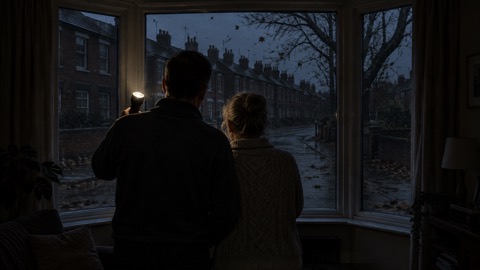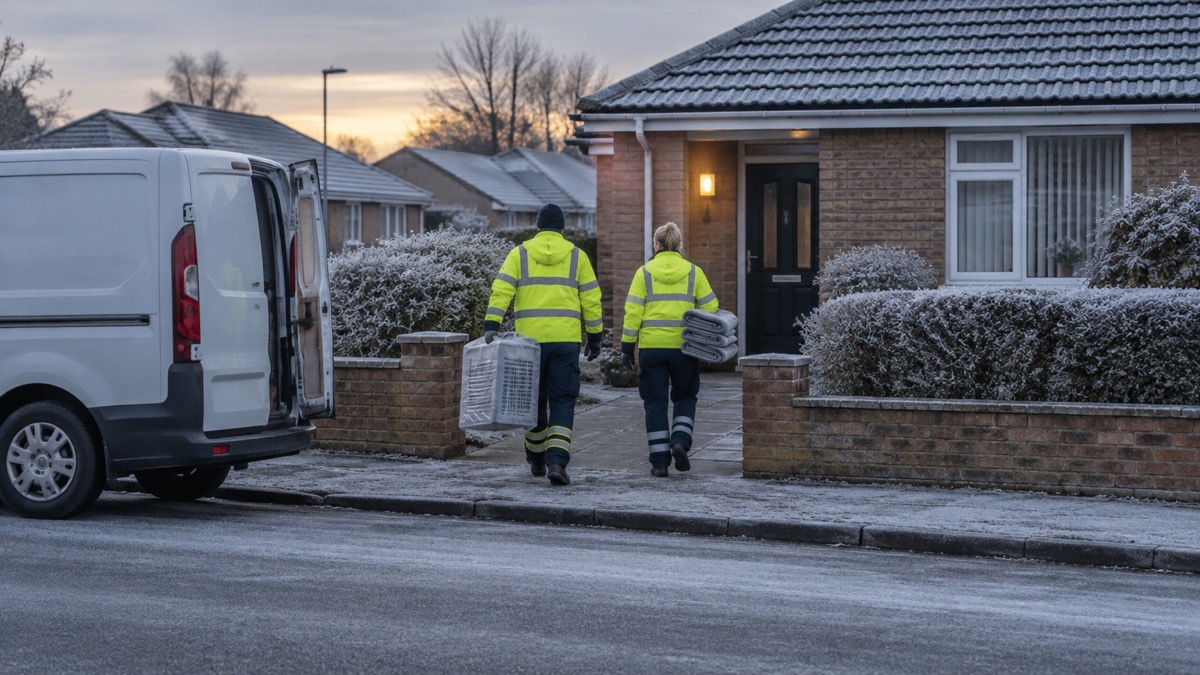
The UK Health Security Agency (UKHSA) extended its cold weather alert to cover all nine regions of England, in force from midnight on Tuesday 4 January to midday on Thursday 6 January, according to the agency's cold weather alert page1. The Met Office is warning that each of the nine regions of England will experience cold weather over that period1.
The page, first published on 26 November 2021 and updated repeatedly since, records the extension in its list of updates dated 4 January 20221. The same page carries later updates from the winters that followed, including alerts issued and extended through December 2022 and into March 2023, so the January 2022 entry sits among a running record of cold weather alerts rather than a single notice1.
The UKHSA's published guidance for cold spells sets out who is most at risk and what the agency advises. It states that cold weather can have a serious impact on health, particularly for older people and those with pre-existing health conditions, as it increases the risks of heart attacks, strokes and chest infections1. For people with a pre-existing medical condition or those over the age of 65, the agency says it is important to try and heat the home to at least 18°C if possible1. Where not all rooms used can be heated, it advises heating the living room during the day and the bedroom just before going to sleep, and states that wearing several layers of thinner clothing will keep a person warmer than one thicker layer1. It adds that having plenty of hot food and drinks is also effective for keeping warm1.
The page also records advice for people going outside in cold conditions, including wearing shoes with a good grip, and suggests it is helpful to check that people have enough food and drinks and any medicines they need1. For people struggling to afford heating bills, it notes that Simple Energy Advice provides free advice on energy efficiency and national grants available to help keep warm1.
"The Met Office is warning that each of the nine regions of England will experience cold weather from midnight on Tuesday 4 January to midday on Thursday 6 January."
Why it matters for households
The extension brought every region of England under the same cold weather alert for the two-day period, rather than only the north or the Midlands. Households in all nine regions were therefore covered by the same warning window, from midnight on Tuesday 4 January until midday on Thursday 6 January1. The UKHSA's stated concern is health: it says cold weather increases the risks of heart attacks, strokes and chest infections, particularly for older people and those with pre-existing health conditions1. Its advice to households centres on keeping the rooms used most at 18°C where possible, keeping the bedroom window shut at night, layering clothing and taking hot food and drinks1. The agency also points people who cannot afford heating to free energy efficiency advice and national grants through Simple Energy Advice1.
The UKHSA alert pages explain how the agency issues and updates these warnings. The cold-health alert levels and the guide to what the UKHSA alert levels mean set out the difference between level 2 and level 3 alerts. Guidance on staying well in cold weather covers the health risks and who is most at risk, and the storms and snow hub collects the related material. Households wanting weather warnings directly can read how to sign up for Met Office weather alerts.
What happens next
The page records that the alert ran to midday on Thursday 6 January1. No further detail on the alert's outcome after that time is given in the page's entry for 4 January 2022.
 UK Health Security Agency
 Cold-Health Alerts Explained
 Cold-Health Alerts
 Staying Well in Cold Weather