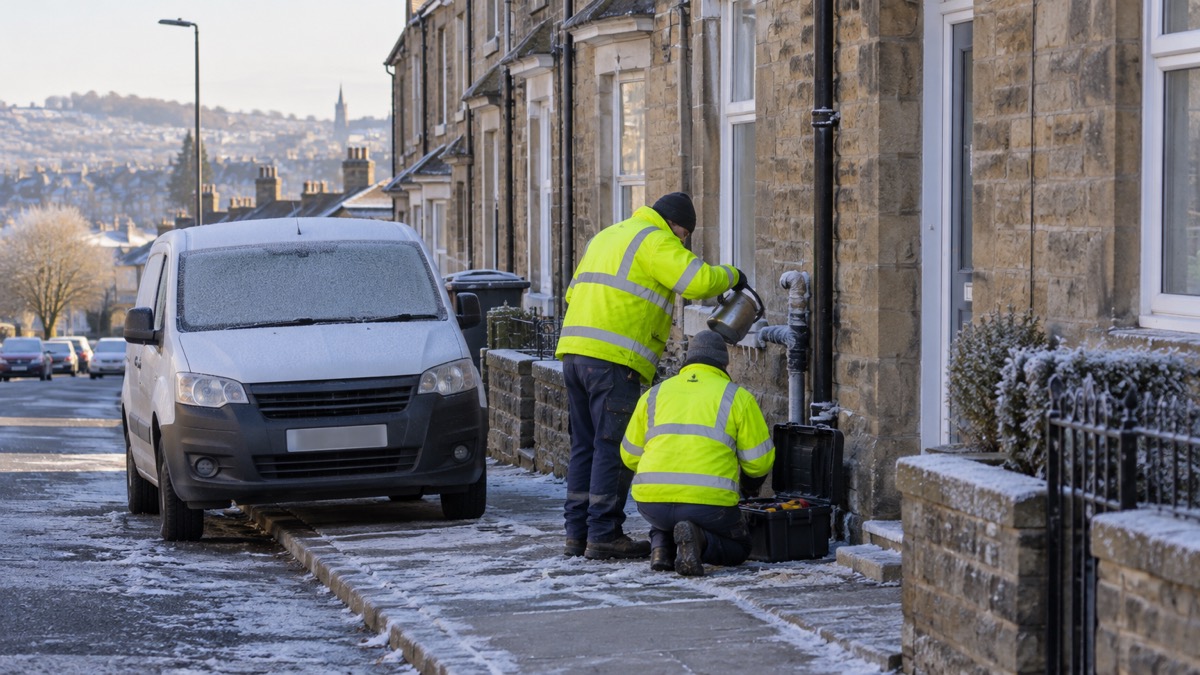
The Chartered Institute of Plumbing and Heating Engineering (CIPHE) warned on 11 January 2024 that the cold snap may lead to a sharp increase in frozen pipes, as the first sleet and snow of the year arrived. Its chief executive, Kevin Wellman, published consumer advice on preventing frozen and burst pipes and on what to do if either happens1.
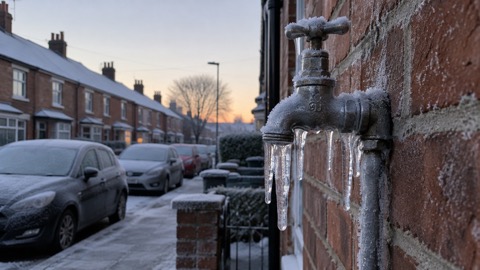
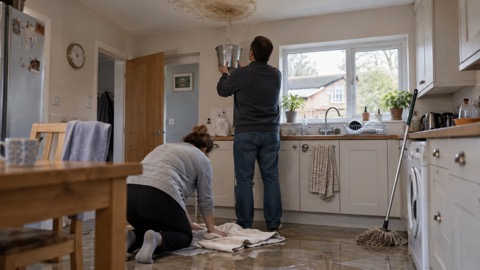
The institute said that when temperatures drop below 0°C, water in exposed or uninsulated pipework is susceptible to freezing, which can limit water supplies and lead to boiler damage, cracked or burst pipes and substantial leaks1. It estimated the average cost of repairing household damage from leaks caused by burst pipes at nearly £13,0001. It listed the warning signs of frozen or burst pipes as a lack of water from taps and showers, gurgling in the central heating, heating systems in lockout or shut down, a boiler that will not switch on, and a toilet that will not flush. The main signs of a burst pipe, it said, are puddles, damp patches or large pools of water in multiple areas1.
"The cold snap may see a sharp increase in frozen pipes."
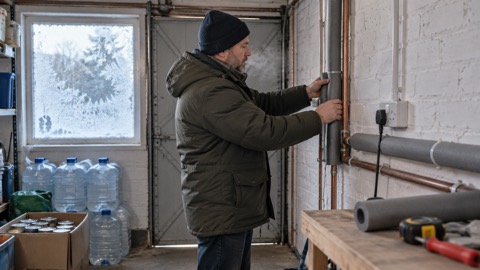
The advice covers prevention, thawing and bursts. On prevention, the institute suggests using the anti-frost setting on a smart thermostat, turning the heating on, setting radiator valves with a snowflake symbol to a minimal flow, locating the internal stop-valve and checking it functions every six months, having the boiler serviced regularly and installing pipe insulation1. For homes left unoccupied for a prolonged period, it advises turning off the water supply at the stop-valve, opening the taps to run off remaining water and draining the pipes1. For a frozen pipe, it advises turning off the water mains at the stop-valve, locating the frozen pipe and thawing it slowly with a hot water bottle or heated towel or cloth, starting at the end nearest the tap. It warns against boiling water or naked flames because of possible splits in the pipe or flammable materials, and says only pipes that are easily accessible or at ground level should be attempted1. For a burst pipe, it says not to touch electrics affected by water and to turn them off at the fuse box or consumer unit, then turn off the water supply and seek a plumbing professional. Where the frozen pipes cannot be found or reached, it says it is best to call a plumber1.
| Situation | Signs listed by CIPHE | CIPHE advice |
|---|---|---|
| Frozen pipe | No water from taps or showers; gurgling central heating; heating in lockout; boiler will not switch on; toilet will not flush | Turn off water at the stop-valve, locate the pipe, thaw slowly from the end nearest the tap |
| Burst pipe | Puddles, damp patches or large pools of water in multiple areas | Do not touch affected electrics; turn them off at the fuse box or consumer unit; turn off the water; seek a plumbing professional |
Why it matters for households
The warning applies to any household with exposed or uninsulated pipework during freezing conditions, including homes left empty for long periods over winter. The institute's stated concern is loss of water supply, boiler damage and leaks, with repair costs it puts at nearly £13,000 on average for burst-pipe damage1. Its advice on heating, insulation, stop-valves and boiler servicing is set out above as the institute's own guidance1. Further household guidance on frozen pipes, what to do if a pipe bursts and getting your home ready for cold weather and ice is available in the site's guides.
What happens next
No further steps have been announced. The institute directs householders to its online find a plumber or heating engineer tool to locate a plumbing and heating expert1.
Sources (1)
- Don't get frozen out, ciphe.org.uk
 Frozen Pipes Thawing
 Winter Home Preparation
 Snow and Ice Household Guide
 What to Do If a Pipe Bursts