The Chartered Institute of Plumbing and Heating Engineering (CIPHE) published answers to commonly asked questions about frozen and burst pipes on 12 December 2022, as temperatures across the UK fell. The institute said the winter months often pose a significant threat to heating and water systems, and set out when pipes freeze, how to reduce the risk and what to do when a pipe bursts1.
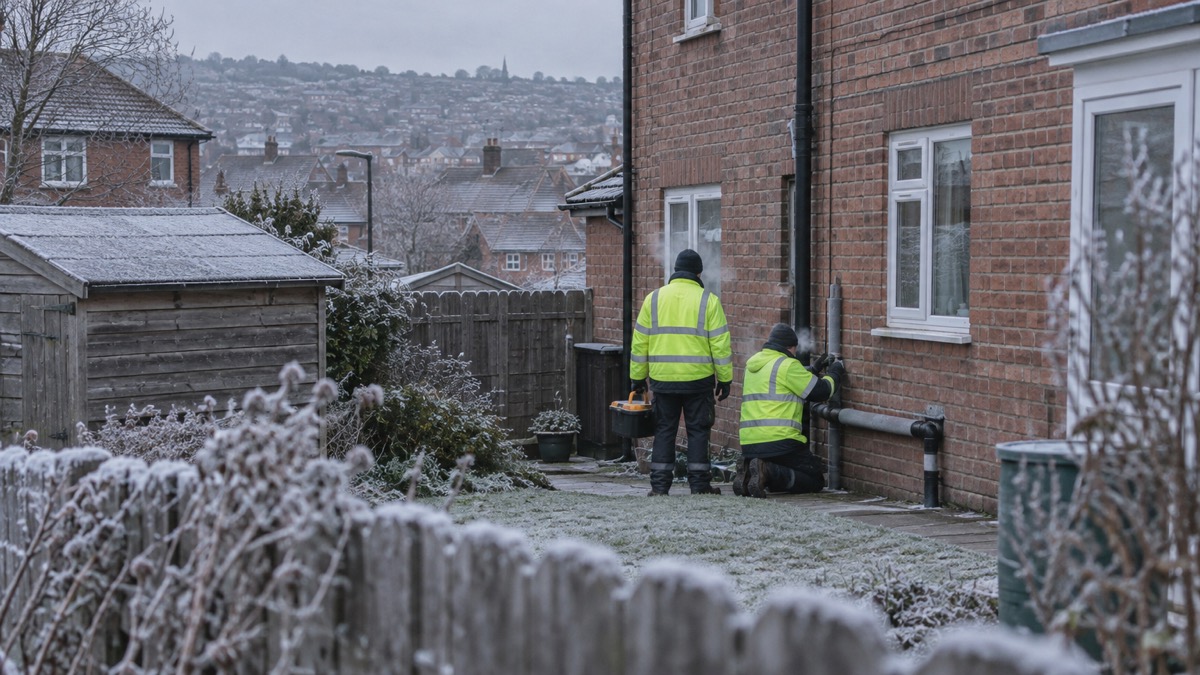
CIPHE said pipes are at risk of freezing when temperatures drop below 0°C, and that they can freeze in as little as six hours. Water in exposed or uninsulated pipework is susceptible to freezing even when taps are not running, which can leave households without running water. Warning signs listed by the institute include a lack of water from taps, a central heating system making a gurgling sound or going into lockout, a boiler that will not switch on, and a toilet that will not flush1.
On cost, CIPHE cited 2021 statistics from the Association of British Insurers showing the average cost of remedying the impact of burst pipes in domestic properties was £9,300. The institute said the cost of frozen pipes is significantly higher than the cost of heating a home, and described heating as a recommended investment for reducing the disruption, distress and expense caused by freezing pipework1.
"As temperatures across the UK plummet, it's important to know: When do pipes freeze, how can you keep it from happening, and who do you call when you have a burst pipe?"
The institute's guidance covers prevention, including locating the internal stopcock or stop-valve and checking it functions every six months, regular boiler services, and insulating pipes in locations vulnerable to the cold. For homes left unoccupied for a prolonged period, it suggests turning off the water supply via the stop-valve, opening the taps and draining the pipes where possible, and prioritising repairs to dripping taps because doing so prevents ice forming. It also advises households with a smart thermostat to use the anti-frost setting1.
For frozen pipes, CIPHE advises turning off the water mains using the stop-valve and thawing pipes slowly, only where they are easily accessible or at ground level, starting at the end nearest the tap. Recommended methods include hot water bottles or towels soaked in hot water. It warns against boiling water, which can be problematic where there are splits in the pipe that have not been spotted, and against a naked flame, which could damage pipes or start a fire. It adds that even if water is flowing from taps, other parts of the system may still be frozen1.
Where a boiler shuts down in freezing temperatures with gurgling noises, CIPHE says a frozen condensate pipe is possible, and that warm, not boiling, water can be poured along the pipe if it is safe to do so, before the boiler is reset. For a burst pipe, it advises turning off the water supply and seeking a plumbing professional, not touching electrics affected by water and switching them off at the fuse box or consumer unit, and switching off electric immersion heaters and other heat sources1.
Why it matters for households
The guidance applies to households across the UK during cold spells, when exposed or uninsulated pipework is at risk. The practical consequences set out by CIPHE are loss of water to taps, showers and toilet cisterns, boiler damage, cracked or burst pipes and leaks, with burst pipes costing an average of £9,300 to remedy according to the 2021 insurance figures it cites1. CIPHE advises consulting a professional plumber for known burst or frozen pipes, and where the frozen pipe cannot be found or accessed1.
What happens next
No further dates or steps have been reported. CIPHE directs households to its online find a plumber or heating engineer tool to locate a heating and plumbing expert1. The site's guides on frozen pipes, what to do if a pipe bursts and getting your home ready for cold weather and ice cover related household preparation.
Sources (1)
- FAQs for Tackling Frozen and Burst Pipes, ciphe.org.uk
 Home Emergencies
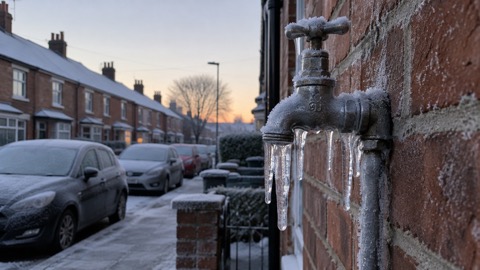 Frozen Pipes Thawing
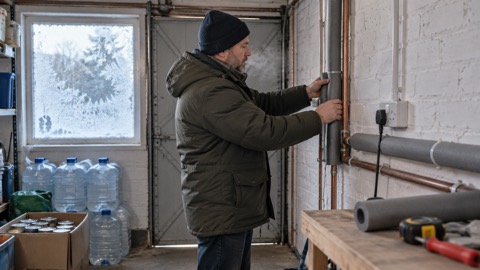 Winter Home Preparation
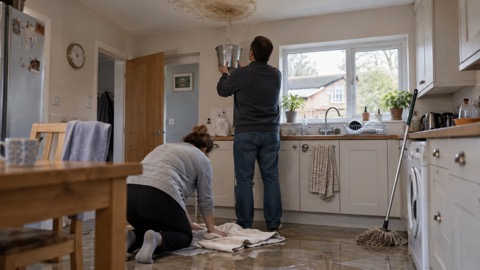 What to Do If a Pipe Bursts