A leak on the outlet main of Dŵr Cymru Welsh Water's Bryn Cowlyd works, followed by a power outage that forced the works to shut down, left 114,562 people across the North Wales coastal area without a water supply for up to seven days in January 2025, the Drinking Water Inspectorate has reported1.
The works supplies Conwy, Llandudno and Colwyn Bay1. A potential leak was identified on the works outlet main on 13 January, and a walk of the main found a leak beneath the Afon Ddu; the company began planning the repair1. Before that could take place, a power outage in the early hours of 15 January caused an automatic shutdown of the works1. When a restart was attempted, the outlet main failed to reach the required pressure, and it was concluded that the works could not be restarted until the main had been repaired1. The areas normally supplied by the works then lost supply over seven days while the main was repaired and the system refilled1.
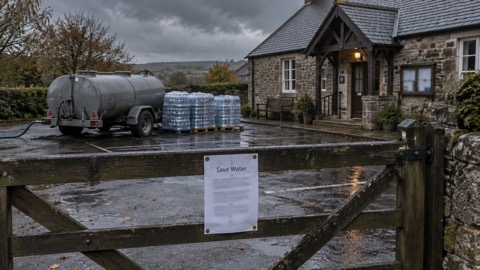
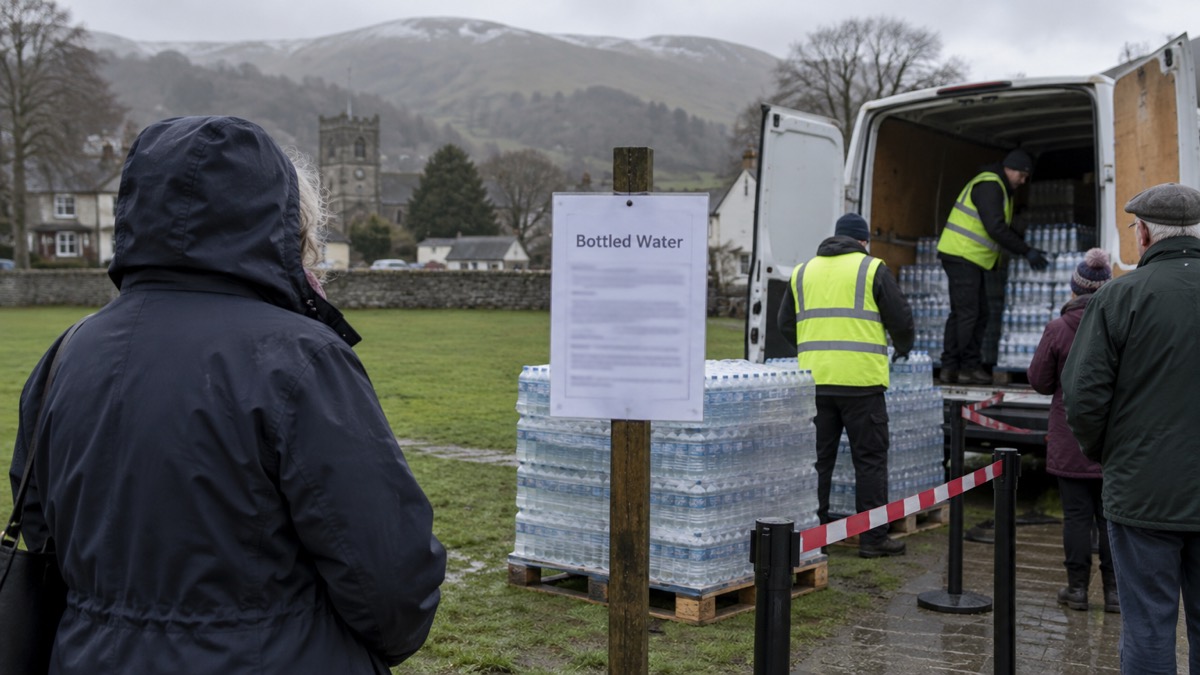
The loss affected 114,562 people, or 47,734 properties, supplied either directly from the gravity system from the Bryn Cowlyd final water tank or by service reservoirs also supplied by the works1. Because the main lay beneath a river, the repair required a large excavation for safe access; once exposed, the company found a pinhole leak that had eroded a coupling, creating a hole of approximately 50 to 75 mm1. Tankers, Arlington tanks and bottled water were deployed to supply the affected population until normal supplies were restored1. The Inspectorate records that the loss of supply generated local and national media interest, with reports of consumers collecting sea water to flush their toilets as they were unable to access sufficient alternative supplies for that purpose1.
The event is listed in the Inspectorate's table of the ten highest scoring events notified in Wales in 2025, classified as 4 (Serious), with an Event Risk Index score of 164.335 and the outcome "Recommendations made"1. Once the main had been repaired and the works restarted, the company encountered further complications with elevated turbidity in the final water tanks, which served to provide the required contact time for full disinfection, and samples collected from the works final sampling point before return to supply were deemed unrepresentative of the water from the tank1. The company received a recommendation to collect a suite of samples on return to supply to validate its risk assessment that the water was wholesome and adequately disinfected, and other recommendations were made on sampling, including sufficient sampling for Cryptosporidium, as the one sample collected during the event could not be analysed1.
"An event in North Wales in January 2025 left more than 110,000 people without a water supply for up to seven days."
The Inspectorate counted 65 events notified to it in 2025, of which 32 were single-property incidents, 16 of them relating to consumers' distribution systems and so outside the water company's control1. The highest scoring event of the year was a regulation 31 approval matter for Dŵr Cymru Welsh Water, with an ERI of 5,299 against a 2024 high of 2401.
Why it matters for households
The Bryn Cowlyd failure shows how a single main can take supply away from a whole coastal area for a week: households in Conwy, Llandudno, Colwyn Bay and the surrounding area supplied by the works were affected, some directly from the works tank and some through service reservoirs1. Alternative supplies in the form of tankers, Arlington tanks and bottled water were deployed during the incident1. The Inspectorate's account records that some consumers could not access enough alternative water to flush their toilets1. The report does not set out advice to households on storing water or on restoring a supply after an outage.
What happens next
The Inspectorate records that recommendations were made following the Bryn Cowlyd event, including on sampling when supply returns and on Cryptosporidium sampling1. The report does not state what those recommendations require or by when they must be completed. The report gives no further dated steps for the works or for affected customers.
Households wanting to understand how restoration works after a loss of supply can read How Long Until My Supply Is Restored?, and the water hub covers the wider subject. Guidance on quantities is set out in How Much Drinking Water to Store per Person and the Home Drinking Supply Storage Checklist, with How to Wash Without Running Water covering washing during an interruption.
 When Supply Is Restored