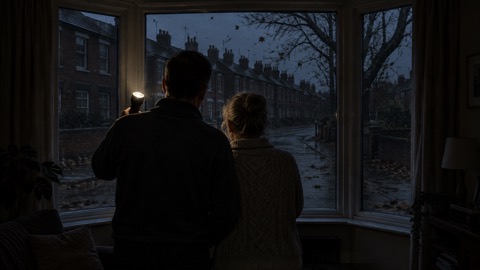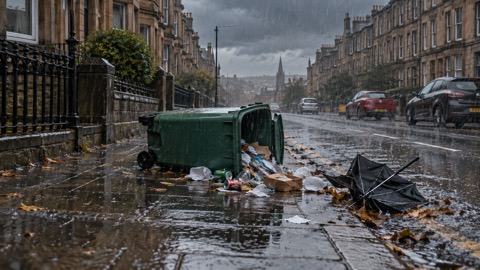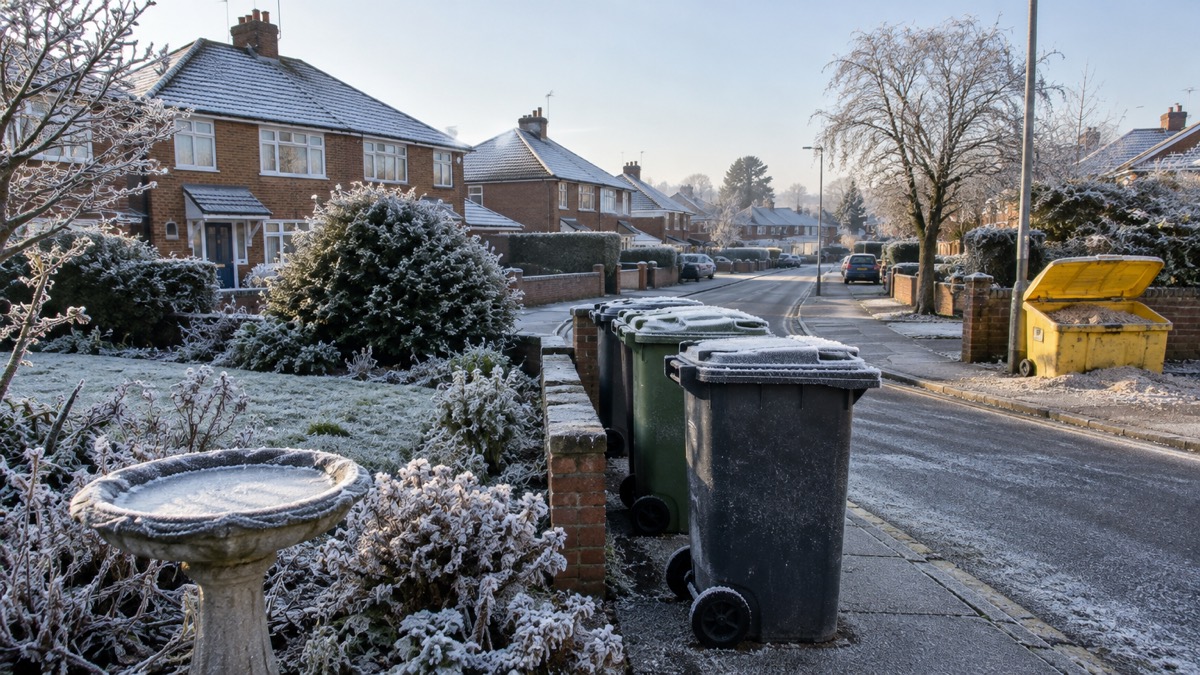
The UK Health Security Agency (UKHSA) placed all regions of England under a level 3 cold weather alert, in force between 1am on Monday 6 March and midnight on Thursday 9 March 20231. The agency said low temperatures and wintry showers were forecast across England from Monday and encouraged people to stay warm and look out for those most at risk from the effects of cold weather1.
The position changed over the following days. On Friday 3 March the North East of England, North West of England and Yorkshire were under a level 3 alert, while the West Midlands, East Midlands, East of England, the South East and the South West remained at level 21. By Monday 6 March all regions were at level 31. NHS England, in a notice issued at 8.34am on Monday 6 March, reported "a 90% probability of severe cold weather/icy conditions/heavy snow between 9am on Monday 6 March and midnight on Thursday 9 March in parts of England", and said the weather could increase health risks to vulnerable patients and disrupt the delivery of services2. An earlier NHS England notice, issued at 10.56am on Thursday 2 March, had put the probability at "at least 60%" for the period from Monday 6 March to midnight on Wednesday 8 March across England3.
The Met Office and UKHSA warned that all regions of England would experience cold weather from 1am on Monday 6 March to midnight on Wednesday 8 March1. Chris Almond, Deputy Chief Meteorologist at the Met Office, said very cold air would spread across the UK bringing snow showers even to sea level in the north on Monday, with those showers possibly spreading further south on Tuesday, and that weather warnings for Monday and Tuesday were likely once the detail of potential impacts became clearer1.
Dr Agostinho Sousa, Head of Extreme Events and Health Protection at UKHSA, said:
"During periods like this, it is important to check in on family, friends and relatives who may be more vulnerable to the cold weather, as it can have a serious impact on health."
UKHSA advised that people with a pre-existing medical condition or aged over 65 should try to heat their home to at least 18°C if they can1. It said that where people cannot heat all the rooms they use, it is important to heat the living room during the day and the bedroom just before going to sleep, that wearing several layers of thinner clothing keeps you warmer than one thicker layer, and that plenty of hot food and drinks is also effective for keeping warm1. It said cold weather can have a serious impact on health, particularly for older people and those with pre-existing health conditions, increasing the risks of heart attacks, strokes and chest infections1. For people struggling to afford heating bills, it pointed to Simple Energy Advice for free advice on energy efficiency and national grants1.
Why it matters for households
The alert covered every region of England for the four days from 1am on Monday 6 March to midnight on Thursday 9 March1. NHS England said the conditions could increase health risks to vulnerable patients and disrupt the delivery of services2. UKHSA's advice was directed at people aged over 65 and those with pre-existing medical conditions, and it asked households to check on family, friends and relatives who may be more vulnerable to the cold1. The Met Office warned that snow showers could reach sea level in the north on Monday and spread further south on Tuesday, with freezing overnight temperatures and a risk of ice, and that weather warnings were likely for Monday and Tuesday1.
What happens next
The alert was subsequently extended. On Wednesday 8 March, UKHSA extended the level 3 alert until 9am on Monday 13 March1, and NHS England issued a level 3 notice at 10.40am that day for the period from 0900 on Wednesday 8 March to 0900 on Monday 13 March4. On Monday 13 March, UKHSA extended the level 3 alert until 9am on Thursday 16 March for the North East of England, North West of England, and Yorkshire and the Humber, with a level 2 alert in place for the West Midlands, East Midlands and East of England for the same period1. NHS England issued a level 3 notice at 8.45am on Monday 13 March for 3pm that day to 9am on Thursday 16 March5; a level 2 notice issued at 8.52am on Sunday 12 March had given an 80% probability for 6pm on Monday 13 March to 9am on Thursday 16 March6.
The UKHSA alert levels are explained in the guide to cold-health alerts, with a separate guide to yellow, amber and red cold-health alerts. Advice on staying well in cold weather sets out the health risks and who is most at risk, and the UKHSA guide covers its alerts and outbreak advice.
Sources (6)
- Cold weather alert issued by UKHSA - GOV.UK, gov.uk
- NHS England » Cold weather alert: level 3, cold weather action, england.nhs.uk
- NHS England » Cold weather alert: Level 2, alert and readiness, england.nhs.uk
- NHS England » Cold weather alert: level 3, cold weather action, england.nhs.uk
- NHS England » Cold weather alert: level 3, cold weather action, england.nhs.uk
- NHS England » Cold weather alert: Level 2, alert and readiness, england.nhs.uk
 Cold-Health Alerts
 UK Health Security Agency