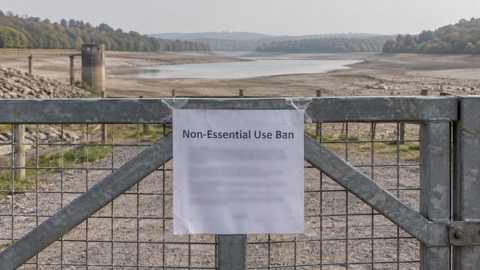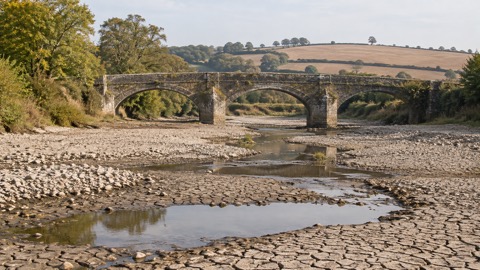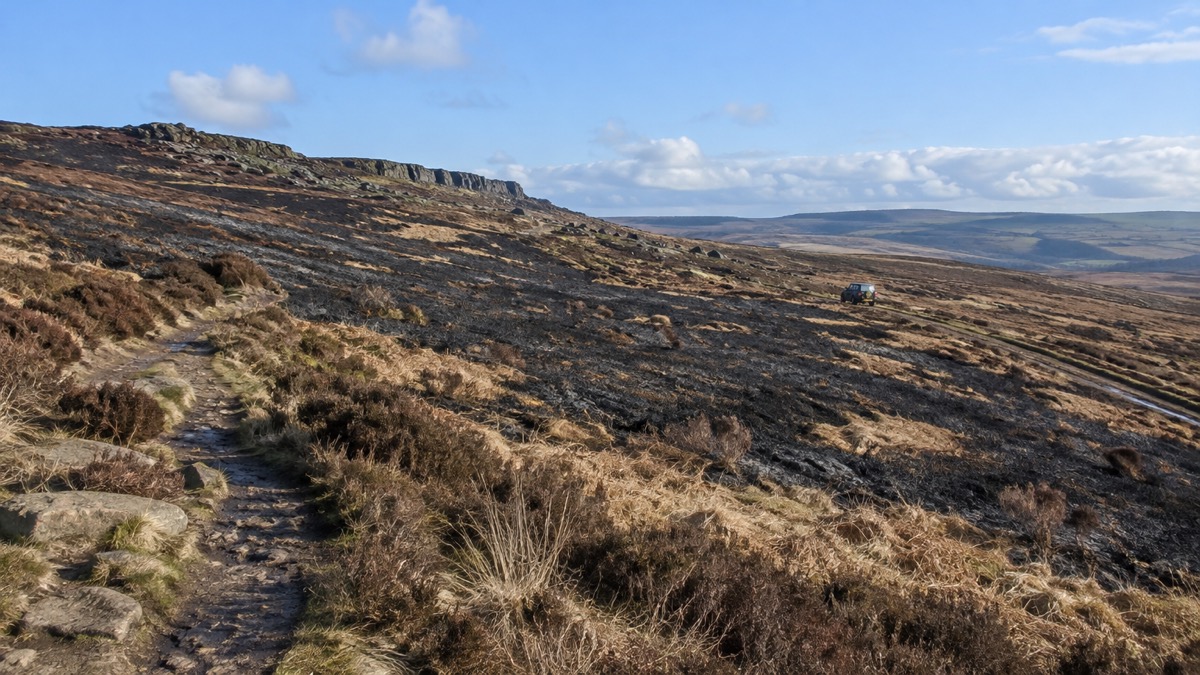
The National Fire Chiefs Council (NFCC) has identified 2022 as a record year for wildfires in England and Wales, a year it says saw record-breaking temperatures and unprecedented wildfire activity1. In a warning published on 4 April 2025, the council said England and Wales had experienced more wildfires so far that year than in the same period of 20221.
National Resilience data cited by the NFCC shows 286 wildfires recorded between 1 January and 4 April 2025, more than 100 above the number recorded in the same period in 20221. The council linked the elevated threat to above-average temperatures and below-average rainfall, and to a notably dry March, recorded as the sunniest ever in England, followed by warmer-than-average April temperatures1. It said risks could rise further into May and June if dry conditions persist1.
The NFCC said fire and rescue services do not receive any dedicated or protected funding for wildfire response, and that the costs of preparing for and tackling wildfires must be absorbed through core budgets already under strain1. It also cited inconsistent definitions and recording of wildfires as limiting the effectiveness of national risk forecasting1. The previous year, the council published a wildfire position statement with recommendations to government, including more consistent national data collection and a shared definition of wildfires1.
"There is no getting away from the fact that climate change is driving increases in extreme weather events, such as wildfires. We are seeing more wildfires for this time of year than we were in 2022, which was a record year for wildfires and that is deeply concerning."
The NFCC issued public safety advice alongside the warning, asking the public to avoid disposable barbecues in open countryside, parks and moorland areas, not to discard cigarettes, matches or glass bottles, and to follow local authority guidance on fire risks and restrictions1. It asked anyone noticing suspicious behaviour, or someone intentionally starting a fire, to contact the police immediately or report anonymously to Crimestoppers on 0800 555 111, and to report any signs of fire by calling 999 and asking for the Fire and Rescue Service1.
Why it matters for households
The warning covers England and Wales, with the NFCC saying heightened wildfire risk applies across regions of the UK and could rise further into May and June if dry conditions persist1. Households in or near countryside, parks and moorland are the focus of the public safety advice, which centres on ignition sources such as disposable barbecues, cigarettes, matches and glass bottles1. The council's position is that wildfire response carries no dedicated funding and places increased operational demand on services without a proportional increase in resource1. Practical guidance on risk and prevention is set out in the guide to wildfires and grass fires, with wider information in the heatwaves and drought hub.
What happens next
The NFCC said risks could rise further into May and June 2025 if dry conditions persist1. It has asked government to keep funding for national wildfire roles under review, establish more consistent national data collection underpinned by a shared definition of wildfires, improve joint working across departments, place greater emphasis on land management, and identify requirements for specialist equipment and capabilities with appropriate funding1. No response from government to these recommendations is reported in the source.
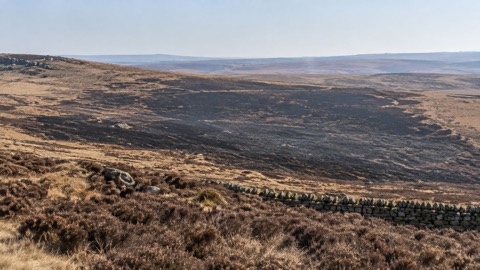 Wildfires and Grass Fires