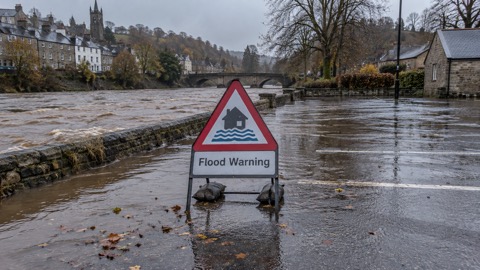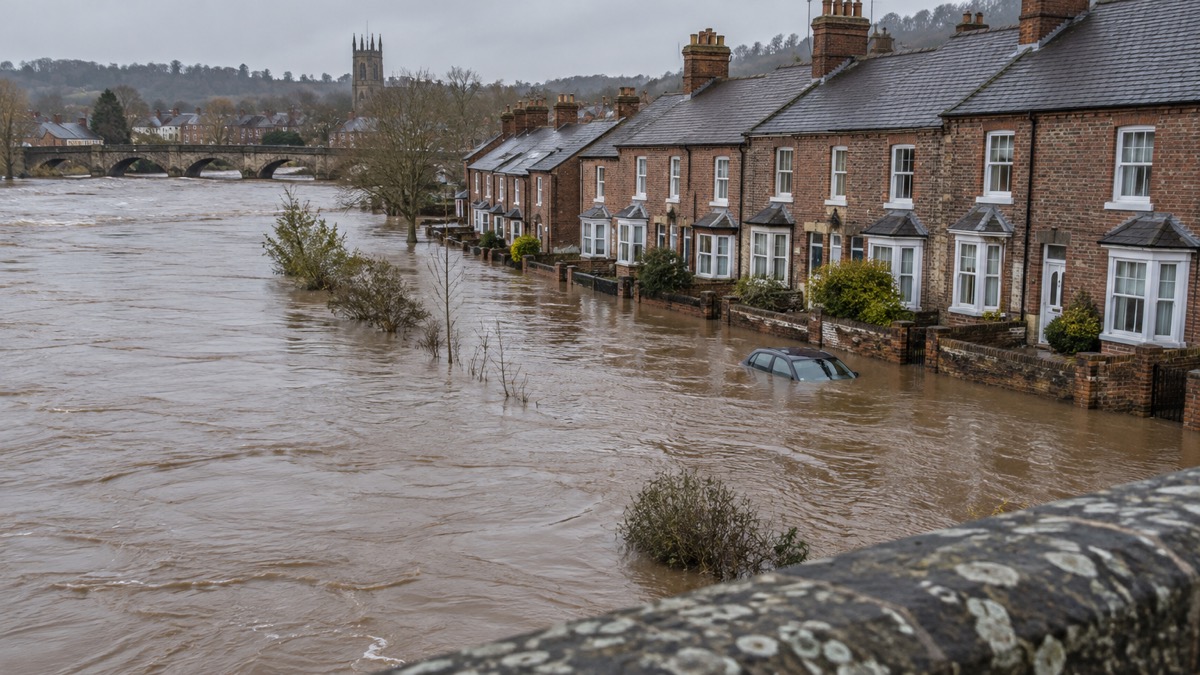
The British Red Cross has published a report, Vulnerability and Resilience, on public awareness and perceptions of flood risk in the UK, drawing on the views of over 3,300 people across all four nations1. The charity says the "devastating flood damage caused by successive storms in the winter of 2023/24, including Babet, Ciaran, and Henk" underscored the need to revisit polling it first carried out for a report published in December 20221.
The findings cover the scale of flooding, awareness of warnings and the impact on health and finances. One in six respondents said their home has been flooded in the past, with one in 11 flooded in the last five years1. Twenty per cent of those living in areas of highest deprivation, where insurance coverage is lower, reported experience of flooding1. Only one in six adults are signed up to receive flood warnings, and only half of those flooded in the last five years say they have seen information about flooding1.
Of those who had been flooded, 40% reported moderate to severe mental health impacts, 35% reported moderate to severe physical health impacts and 42% reported moderate to severe impact to their finances, including costs related to repairs, relocation or insurance1. Almost half (46%) received practical support after experiencing a flood, including help evacuating or temporary accommodation, yet one in four found this support inadequate and only 20% felt it met their needs1.
"We urge local authorities, alongside local resilience partners, to incorporate the use of vulnerability data into planning efforts, resource allocation for flood adaptation, emergency response, and recovery"
The report's other recommendations include that national governments ensure regulations require new buildings to be equipped with flood protection measures commensurate with their specific flood risk, that mental health support be integrated into flood response plans with training for first responders and local authorities, and that governments and local authorities consider how to support community education for flood resilience, using resources such as the British Red Cross toolkit and the Communities Prepared Flood Hub1. It also calls for partnership with voluntary and community service organisations as a channel for reaching vulnerable groups1.
Why it matters for households
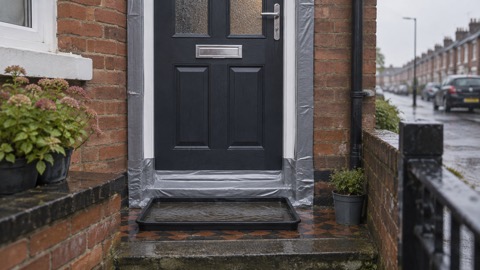
The figures describe how many households have direct experience of flooding and how few have signed up for warnings. The report says only one in six adults receive flood warnings, and that half of those flooded in the last five years say they have seen information about flooding1. It records that flooding experience is reported more often in areas of highest deprivation, where insurance coverage is lower1. For households in flood risk areas, the report sets out the health, financial and recovery impacts reported by people who have been flooded, and the charity's recommendations are addressed to local authorities, national governments and resilience partners rather than to households directly1. Practical background on warning levels is set out in our guide to Flood Alerts, Flood Warnings and Severe Flood Warnings, with wider material in the flooding hub and the storms and snow hub. Households considering property measures can read about flood doors and flood windows, and about home insurance in a flood risk area and Flood Re.
What happens next
The report provides updated recommendations for strengthening the UK's resilience to flooding, addressed to local authorities, environmental regulator agencies, national governments and voluntary and community service partners1. No timetable for responses to those recommendations has been reported.
Sources (1)
- Public awareness and perceptions of flood risk in the UK, redcross.org.uk