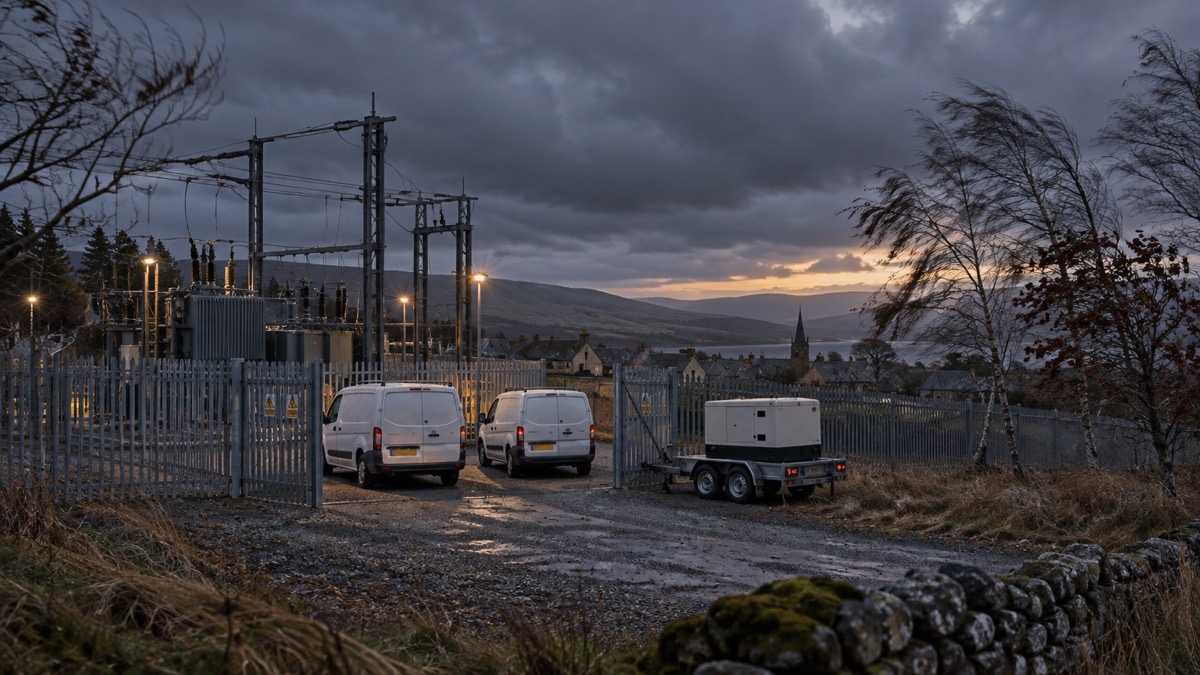
Scottish and Southern Electricity Networks (SSEN) said on 2 October 2025 that it was finalising preparations for Storm Amy, forecast to bring sustained storm-force winds to much of its Scottish network area over the weekend, with disruption to the electricity network expected1. The company said it had been operating at its heightened "Yellow Alert" status since Wednesday morning1.
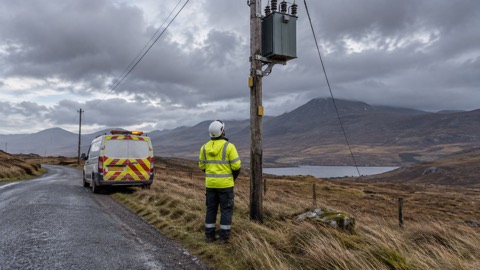
SSEN said hundreds of additional team members were standing by, planned network maintenance had been cancelled so repairs could be prioritised, and extra engineers were being drawn from its Scotland-based teams, its central southern England network areas and contract partners1. Dozens of extra people were to work in its customer contact centre, and additional tree-cutting teams were to help engineers reach faults, with trees still shedding leaves at greater risk in storm-force winds1. Text messages were being sent to more than 180,000 of its more vulnerable customers with help and advice if they lose power, and telephone calls were being made to the most vulnerable people in areas expected to be worst hit1.
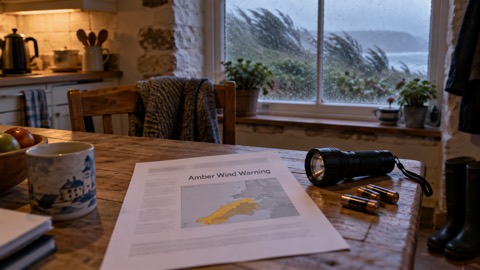
SSEN's own modelling for late on Friday evening and throughout Saturday predicted wind speeds of more than 80mph for the Western and Northern Isles, along the length of Scotland's west coast, the northwest Highlands, Caithness, Moray and the Aberdeenshire coast, with gusts of 90mph likely in the most exposed areas1. It said the sustained strong winds would come after prolonged heavy rain, which would weaken the ground beneath trees, and that wind speeds would be slightly lower on Saturday but strong gusts would be sustained and their direction was forecast to change1. SSEN also reported that the Met Office had issued its own Amber Alert for much of Scotland for high winds1.
"We're taking a range of steps to prepare for Storm Amy this weekend. The first named storm of this autumn is forecast to bring sustained storm-force winds to much of our Scottish network area, and disruption to the electricity network is expected."
Nik Wheeler, SSEN's Head of Customer Operations for the north of Scotland, said the forecast gales were some of the most severe and sustained seen in recent years, and that storm-force winds of this prolonged nature can pose challenges when fixing faults, as work at height can only go ahead when conditions are safe1. He said the company would coordinate welfare checks and hot meal provision for communities facing extended outages1.
| Area | Forecast in SSEN modelling |
|---|---|
| Western and Northern Isles | Wind speeds of more than 80mph |
| Scotland's west coast, northwest Highlands, Caithness, Moray, Aberdeenshire coast | Wind speeds of more than 80mph |
| Most exposed areas | Gusts of 90mph likely |
Why it matters for households
Households across much of SSEN's Scottish network area, from the Western and Northern Isles along the west coast to Moray and the Aberdeenshire coast, face possible loss of supply from late on Friday evening and through Saturday1. SSEN said disruption to the electricity network is expected and that the predicted duration of dangerous, storm-force winds may affect the schedule of repair work1. It encouraged customers to save the emergency power cut number, 105, to report any loss of supply or damage to the network, and to use its Power Track website for details of power cuts and restoration times1. It asked anyone who sees damage to its equipment to stay back, not touch it, and report it on 105 or through Power Track1. SSEN said customers are eligible for its free Priority Services if they are deaf or hard of hearing, have a disability, live with children under five, are blind or partially sighted, have a chronic illness, use medical equipment or aids reliant on electricity, or are over 601. The company also encouraged customers to follow its Facebook page (ssencommunity) for updates1. Households can read more on storms and the electricity network, storms, snow and ice, extra help from network operators during long outages and the Priority Services Register.
What happens next
SSEN said its enlarged teams would be working throughout the weekend to minimise disruption, and that field engineers would fix faults as quickly as possible once it is safe to do so1. No further dated steps have been reported.
 Storms and the Electricity Grid
 Snow and Ice Household Guide