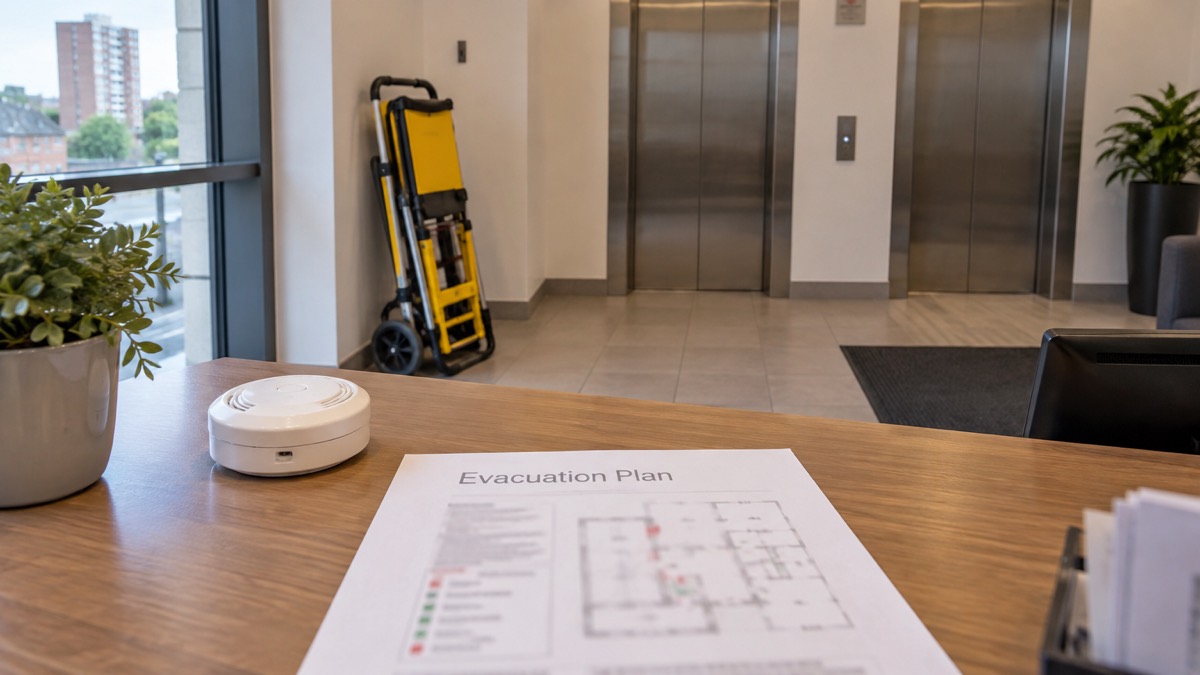
The Fire Safety (Residential Evacuation Plans) (England) Regulations 2025 were laid on 4 July 2025 and set new duties on building owners and managers in high-rise and higher risk residential buildings to address the fire safety concerns of their most vulnerable tenants1. The regulations came into force on 6 April 2026 and apply in England only2.
Under the regulations, residents with disabilities and impairments are entitled to a person-centred fire risk assessment considering their specific individual risks and ability to evacuate in the event of a fire, the measures that could be reasonably and proportionately introduced to mitigate against their risks, a written statement recording what they should do in a fire, and information shared with their local Fire and Rescue Service so it knows where the most vulnerable residents live and can support their evacuation or rescue1. The Ministry of Housing, Communities and Local Government states:
"The Fire Safety (Residential Evacuation Plans) (England) Regulations 2025 introduces new duties on building owners and managers in high-rise and higher risk residential buildings, to address the fire safety concerns of their most vulnerable tenants."
The regulations apply to buildings containing two or more sets of domestic premises that are either at least 18 metres above ground level or have at least seven storeys, or are more than 11 metres in height with simultaneous evacuation strategies in place2. A resident is a "relevant resident" if the property is their only or principal residence and their ability to evacuate without assistance is compromised by a cognitive or physical impairment or condition2. From 6 April 2026 the responsible person, typically the building owner or manager, must use reasonable endeavours to identify relevant residents2.
Participation is voluntary: the decision whether to take part lies with the resident, who cannot be compelled, and sharing information with the local Fire and Rescue Authority requires the resident's explicit consent2. There is no explicit requirement for a resident to share medical records, and no requirement that a specialist carries out the person-centred fire risk assessment2. The responsible person must implement reasonable and proportionate measures, except where costs would fall to the resident and the resident declines to pay, in which case the resident may decline the measures or equipment2. Some measures may be eligible for the means-tested disabled facilities grant if they meet the conditions2. The written evacuation statement has no prescribed format beyond being in writing, and the responsible person must give the resident a copy2. Assessments and statements must be reviewed no later than 12 months after first recording, and before the end of every 12 months thereafter2.
| Item | Detail |
|---|---|
| Laid | 4 July 20252 |
| In force | 6 April 20262 |
| Territory | England only1 |
| Buildings in scope | 18 metres or seven storeys and above; or over 11 metres with simultaneous evacuation2 |
| Statutory guidance published | 2 December 20252 |
The factsheet says the policy addresses recommendations from the Grenfell Tower Phase 1 Inquiry Report concerning personal emergency evacuation plans and evacuation plans2. It also says the regulations mandate building emergency evacuation plans in these buildings2.
Why it matters for households
The duties fall on responsible persons, not residents, but they change what residents in affected buildings in England can expect from 6 April 2026. Those whose ability to leave the building unaided is compromised by a cognitive or physical impairment or condition, and for whom the flat is their only or principal residence, can ask for a personal evacuation plan through the person-centred assessment, and can decide whether to take part and whether their details go to the fire service2. Fire and Rescue Authorities can enforce compliance by responsible persons, and residents in buildings of 18 metres or more can raise building safety concerns with the building's Accountable Person and, if unresolved, with the Building Safety Regulator2. The government has also published guidance on referring a vulnerable person for a fire safety check in its wider extra help material.
What happens next
The government page records that an Easy Read version was added on 6 April 2026, following the statutory guidance for responsible persons on 2 December 20251. No further dates are given. The factsheet states that the responsible person must review assessments and statements at intervals of no more than 12 months, and when there is reason to believe they need amending, for example after major changes to the building2.
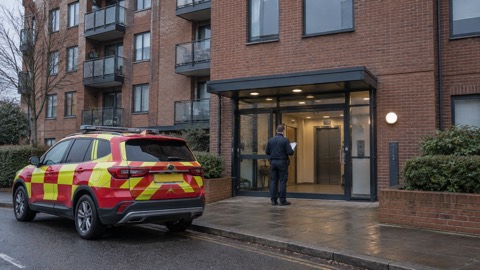 Personal Evacuation Plans