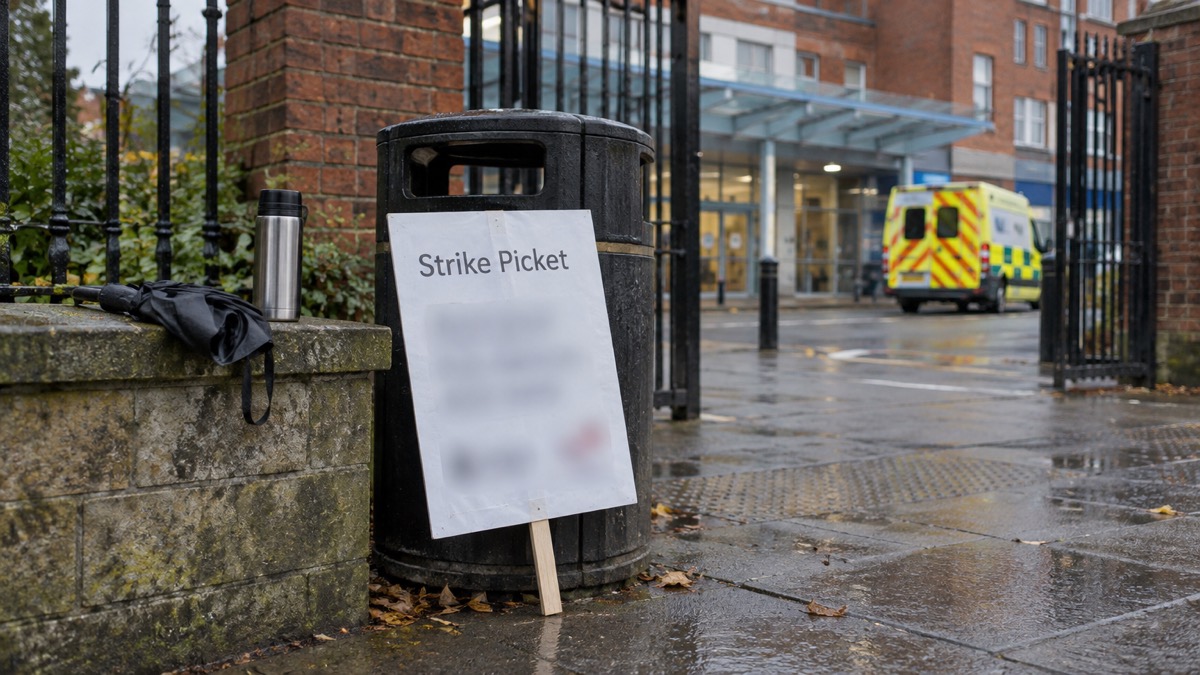
Industrial action by resident doctors in England began at 7am on Friday 14 November and continued until 7am on Wednesday 19 November, NHS England said1. The service described it as the 13th round of strikes by resident doctors since March 2023, amounting to 54 days of disruption to NHS services2.
NHS England said hospital teams were working to keep routine operations going as much as possible, with 95% of elective activity aiming to go ahead and appointments only rescheduled in exceptional circumstances in the interests of patient safety2. It advised the public to attend any planned appointments scheduled during the strikes unless they had been contacted to reschedule1. For urgent but not life-threatening issues it directed people to NHS 111 online as the first port of call, and said patients needing emergency care should continue to use 999 or attend A&E as normal2. For less urgent but serious situations, it pointed to urgent treatment centres1.
Professor Meghana Pandit, NHS England National Medical Director, said on the final day:
"We are now into day 5 of this round of industrial action by resident doctors"
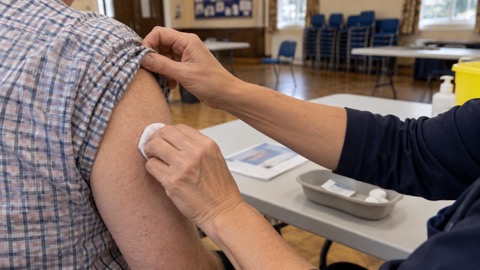
NHS England said the action came at an already challenging time, with flu cases set to peak immediately after the industrial action2. On 18 November it reported the latest data from the UK Health Security Agency showing flu and COVID-19 cases in England rising steadily, with the peak expected in the coming weeks, and said the health service continues to urge eligible patients to come forward for their jabs1. It said eligibility for flu and COVID-19 vaccines can be found on the NHS.uk website1. Resident doctors, previously named junior doctors, make up around half of all doctors in the NHS, with up to 8 years' experience as a hospital doctor depending on specialty, or up to 3 years in general practice2.
Separately, Hampshire Hospitals NHS Foundation Trust has published notice of a further period of industrial action, stating that the British Medical Association has announced resident doctors will strike between 7am on Tuesday 7 April and 7am on Monday 13 April 20263. The trust said it is putting plans in place to reduce the impact on the running of its hospitals and services, and encouraged people to use the right service for their needs during the industrial action3.
Why it matters for households
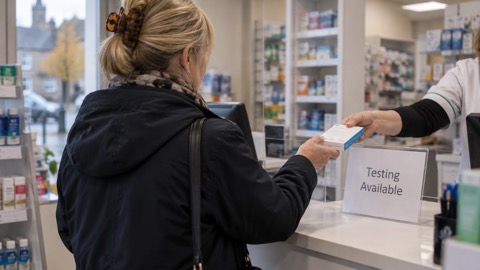
The disruption ran for five days across England, from 14 to 19 November, and affected planned care as well as urgent and emergency services. NHS England's position was that planned appointments should be attended unless the NHS has made contact to reschedule, and that 999 and A&E remain available for emergencies throughout1. For urgent but non-life-threatening problems it directed people to NHS 111 online first, and for less urgent but serious situations to urgent treatment centres1. The service also warned that flu and COVID-19 cases were rising, with the peak expected in the coming weeks, and urged eligible people to take up vaccination1. Households wanting to check who is eligible can use the health-emergencies hub and the guide to who can get a COVID-19 vaccine now. For minor illnesses, community pharmacists are trained to manage a range of common conditions and can advise whether someone needs to see a GP or nurse3; the guide to what Pharmacy First is and what a pharmacist can treat sets out the detail.
What happens next
NHS England's final-day notice was published on 18 November and last updated on 19 November, when the action was due to end at 7am1. Hampshire Hospitals has publicised a further strike period from 7am on Tuesday 7 April to 7am on Monday 13 April 2026, and said plans are being put in place to reduce its impact3.
Sources (3)
- NHS England » Public reminded to use NHS as normal during final day of strike, england.nhs.uk
- NHS England » NHS patients urged to come forward for care as usual during resident doctors’ strikes, england.nhs.uk
- Use the right service :: Hampshire Hospitals, hampshirehospitals.nhs.uk