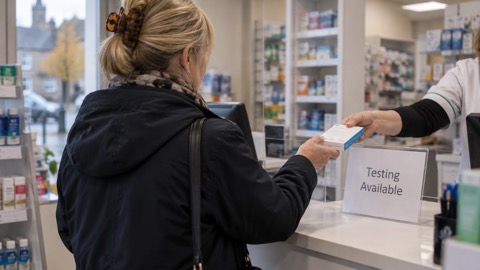
The Pandemic Preparedness Strategy was published in March 2026, according to the UK Government Resilience Action Plan 2026 Implementation Report1. The report states that the strategy was informed by the initial findings of the UK's largest ever national pandemic exercise, which was held to test pandemic preparedness1. The strategy sets out how the government will improve pandemic preparedness capabilities to 2030.
The implementation report, published by the Cabinet Office and updated on 1 October 2026, describes the exercise and the strategy as part of work responding to recommendations from the Covid-19 Inquiry1. It says the government has also strengthened the Cabinet Office's leadership role for whole-system emergencies and issued guidance on identifying and addressing potential disproportionate impacts of emergencies on vulnerable people1. Further improvements were set out in the government's response to Module 2 of the Covid-19 Inquiry in March1.
The report places the strategy in a wider risk landscape. It records that storms Chandra, Goretti and Ingrid caused severe disruptions and widespread utility failures in January 2026, and that the Cabinet Office issued two emergency alerts to approximately 500,000 people across the Isles of Scilly and Cornwall on Thursday 8 January1. It also records a Meningitis B outbreak in Kent, which required a coordinated, multi-departmental public health response, including the rapid roll-out of immunisation and antibiotic distribution sessions at local level and the development of a one-off vaccination campaign to reduce further spread1. The report notes that the MV Hondius Hantavirus outbreak in May 2026 required an extensive international and domestic response to safely evacuate over 20 British nationals back to the UK1.
"The initial findings informed the Pandemic Preparedness Strategy, published in March 2026"
The report also refers to a refreshed National Risk Register published alongside it, to reflect the latest developments in the risk landscape1. It says a national resilience public engagement campaign, anchored in GOV.UK/Prepare, is being designed with devolved and local governments, Local Resilience Forums, utilities providers, businesses and civil society organisations, and is due to launch later this year1. The report states that five Chief Resilience Officers have been introduced under the Stronger LRF Trailblazer programme, with recruitment to the final post underway1.
Why it matters for households
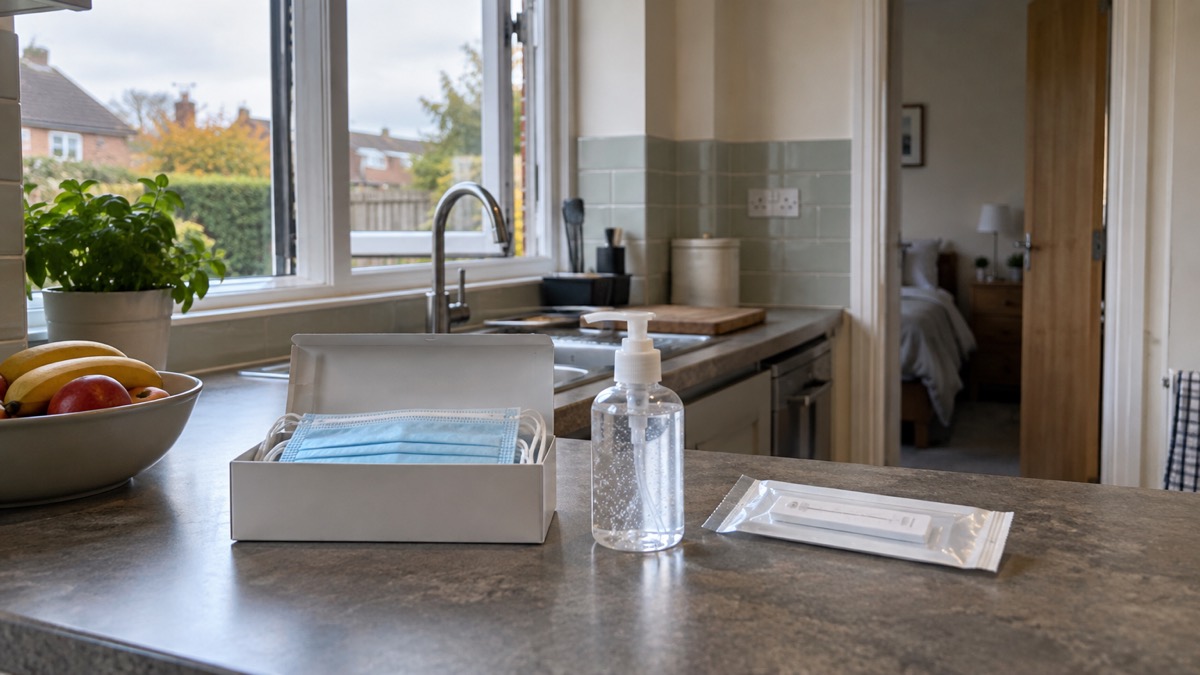
The report frames household preparedness as part of the government's approach, stating that households across the UK should be empowered to take the steps they need to strengthen their own resilience1. It says the actions that individuals, households, communities and businesses can take are vital1. The strategy itself concerns pandemic preparedness capabilities to 2030; the report does not set out new requirements for households, and no changes to household advice are reported in it. The report says the government is working with partners on a public engagement campaign due to launch later this year1. How the UK plans for pandemics, and what households are advised to do, is set out in the guide to pandemics, within the wider health emergencies section.
What happens next
The report gives several dated commitments. Four new standards are to be published in July 2026, and the first cross-government users are scheduled to begin onboarding in July1. The second consultation on the National Occupational Standards closed in May1. A funding package of up to £2.5 million to support civil society infrastructure in England will be delivered by the selected organisation between October 2026 and March 20291. The Executive Office will launch a "Be Ready NI" campaign during the summer1. The report also notes that the Civil Contingencies Act 2004 framework is currently undergoing a comprehensive review, with a public call for views launched to gather evidence from the resilience community1. The UK Government Resilience Framework and Action Plan guide covers the plan this report reviews, and the UK preparedness section covers the wider system.
 Pandemics and UK Household Plans