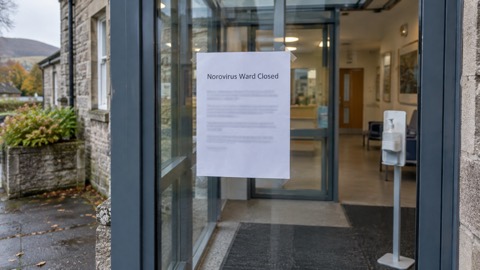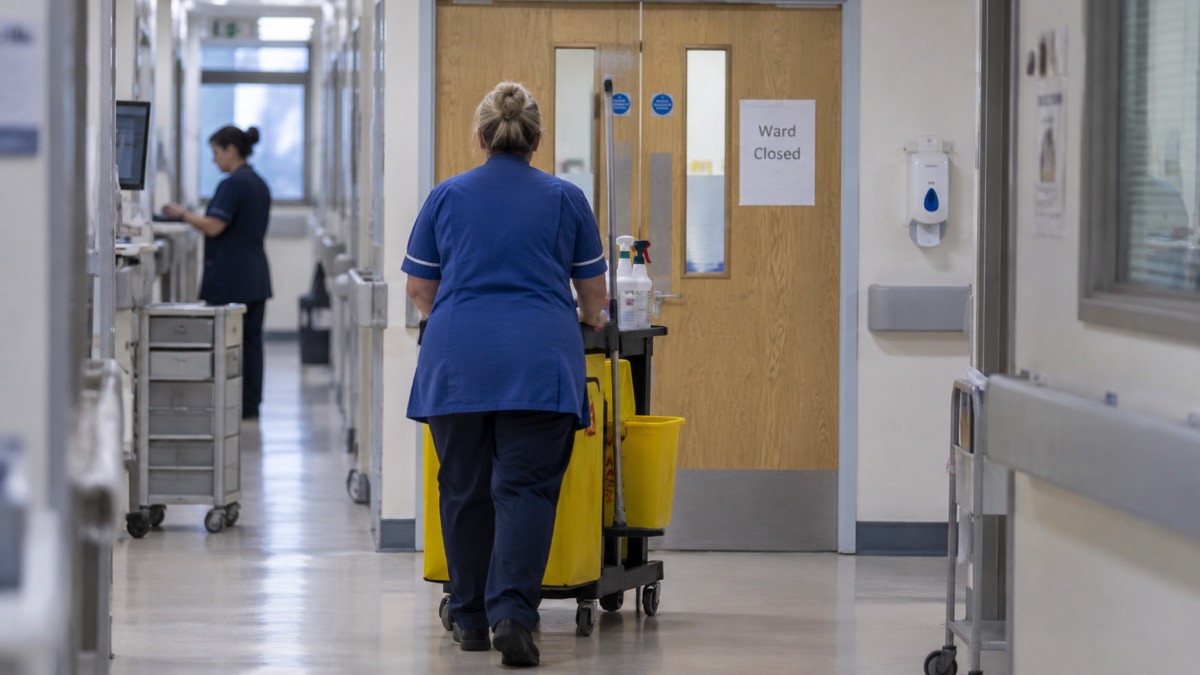
NHS England reported on 29 January 2026 that norovirus is continuing to build demand on hospitals in England, with an average of over 1,100 adult beds closed or occupied each day last week because of the virus. An average of 950 patients were in hospital each day last week with the bug, 127 more than the week previous and nearing the peak seen in February last year (961 in the week ending 2 February 2025)1.
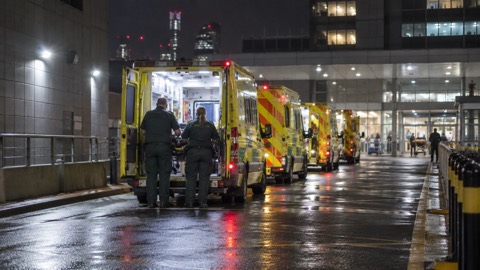
The same weekly figures show pressure across other services. There were 94,551 ambulance handovers last week, higher than the busiest week last year (94,493 in the week ending 29 December 2024) and over 3,250 more than the same week last year. Despite that, the average handover time last week was 34:32, almost three minutes faster than the week previous (37:22) and an improvement on the same point last year (35:04)1. NHS 111 answered 360,286 calls last week, almost 5,000 more than the same week last year (355,452 in the week ending 26 January 2025). There was still an average of 1,987 patients in hospital with flu and 647 with covid-19 per day last week1.
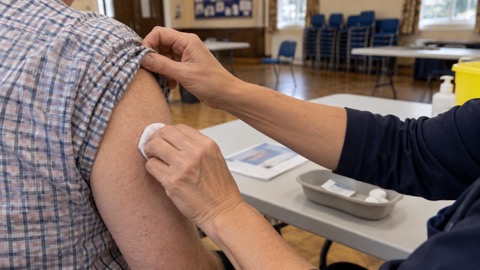
Vaccination figures released alongside the weekly data show 18.8 million flu vaccines delivered since the autumn/winter campaign began, around half a million more than at the same point last year, 4.7 million covid-19 vaccinations so far this season, and 2.5 million RSV vaccinations since the rollout began, including almost 485,000 to pregnant women1.
NHS National Medical Director Professor Meghana Pandit said cases of the winter vomiting bug are triple what they were at the start of the month:
"You can prevent the spread of norovirus by frequent handwashing with soap and water and not returning to work, school or visiting hospitals until you are 48 hours symptom-free."
Amy Douglas, Lead Epidemiologist at the UK Health Security Agency, said norovirus activity has remained high in recent weeks, particularly among those aged 65 and over, and is now rising in children aged under 5, with outbreaks in hospital settings also increased. She said alcohol gels do not kill norovirus and should not be relied on alone, and that people with diarrhoea and vomiting should not return to work, school or nursery until 48 hours after symptoms have stopped, and should not prepare food for others in that time. Those who are unwell should avoid visiting people in hospitals and care homes1.
Why it matters for households
The figures cover England and the week reported on 29 January 2026. They show that norovirus is circulating at near-peak levels and that hospital beds are being taken out of use because of it, which affects anyone with an appointment, admission or a relative in hospital, and anyone visiting a care home. The UK Health Security Agency attributes the rise to spread among people aged 65 and over and, increasingly, children under 5, the two groups most likely to be in contact with hospitals and care homes1.
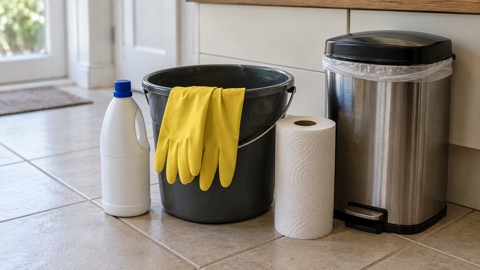
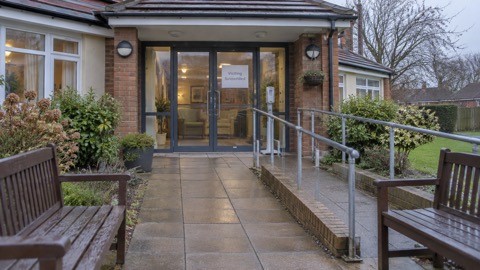
The advice attributed to NHS England and the UK Health Security Agency is to wash hands frequently with soap and water, clean surfaces with bleach-based products, avoid relying on alcohol gels, stay off work, school or nursery until 48 hours after symptoms stop, avoid preparing food for others in that time, and avoid visiting hospitals and care homes while unwell1. The norovirus guide sets out symptoms and how long the illness lasts, and the guide on when to avoid visiting hospitals and care homes covers visiting decisions. The health emergencies hub lists the site's related guidance.
What happens next
NHS England publishes weekly urgent and emergency care situation reports, and the 29 January 2026 release points readers to those statistics for the current position1. No further dates for norovirus-specific announcements have been reported.
Sources (1)
- NHS England » NHS services tackling winter head on, england.nhs.uk
 Norovirus Symptoms and Spreading
 Avoiding Hospital Visits