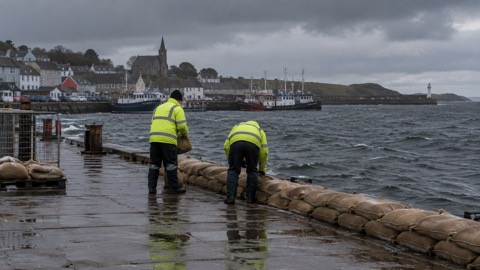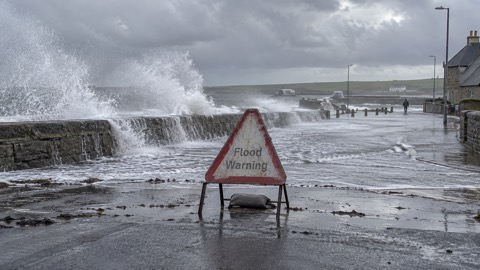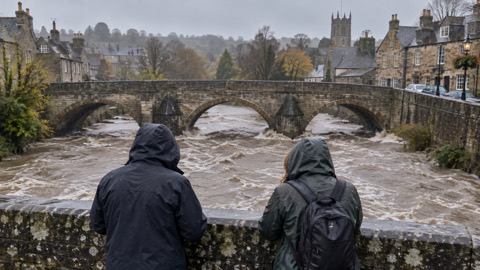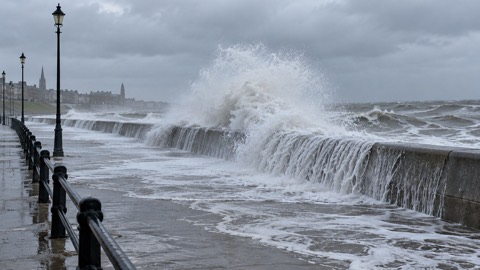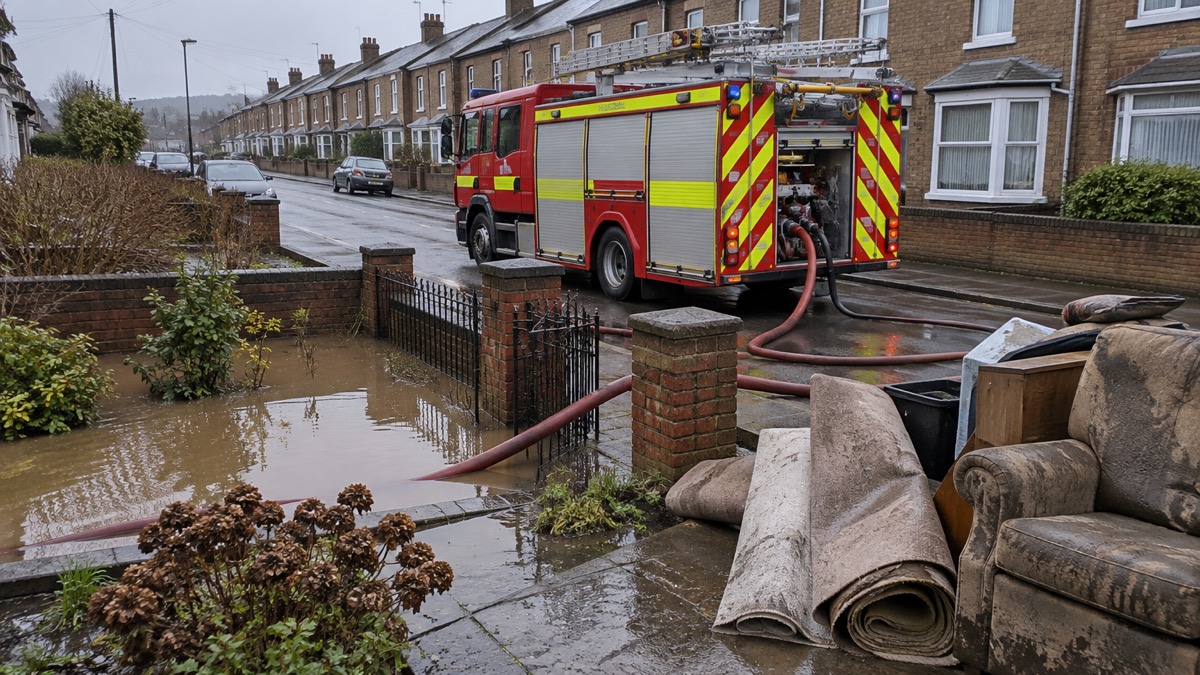
Northern Ireland Fire & Rescue Service (NIFRS) said on 1 November 2023 that it was continuing to respond to incidents across Northern Ireland following a third day of challenging weather conditions. The service reported that its firefighters were dealing with water related incidents including flooding, water rescues, water in electrics and animal rescues1.
Between 6.00pm on 30 October and 1.00pm on 1 November, NIFRS received 384 emergency calls, with 162 of these calls being flood related incidents. Its Specialist Rescue Team, Flood Response Teams and local crews attended 75 flood related incidents. These involved rescuing 5 people who had entered water, 31 people from vehicles in water and 12 people from flooded properties, and included attending 8 animal rescue incidents and 7 water in electrics incidents1.
"Our Firefighters and multi-agency partners have been working in extremely challenging, adverse weather conditions over the last few days. I would like to emphasise that we remain in the Response phase of this incident and are continuing to receive emergency 999 calls for assistance."
NIFRS said its contingency plans remained in place and that it was continuing to respond to emergencies. It asked the public to continue to adhere to public safety messaging and to avoid flooded areas1.
| NIFRS activity, 6.00pm 30 October to 1.00pm 1 November 2023 | Figure |
|---|---|
| Emergency calls received | 384 |
| Flood related calls | 162 |
| Flood related incidents attended | 75 |
| People rescued who had entered water | 5 |
| People rescued from vehicles in water | 31 |
| People rescued from flooded properties | 12 |
| Animal rescue incidents attended | 8 |
| Water in electrics incidents attended | 7 |
Why it matters for households
The figures cover the whole of Northern Ireland and a period of just under three days, so they describe a service-wide response rather than a single local incident. The 31 rescues from vehicles in water and 5 of people who had entered water indicate that flooding on roads and in watercourses was affecting people directly, not only property. NIFRS safety advice covers both: motorists should not attempt to drive through flooded roads or fords, because water is often deeper than it looks and a vehicle may be swept away or become stranded, and people should not attempt to walk through flooded areas, because even shallow water moving fast can sweep you off your feet and there may be hidden dangers such as open drains, damaged road surfaces and submerged debris1.
NIFRS also advised people to pay attention to road closure advice, as many roads were closed because of flood conditions not suitable for traffic, and to stay away from flood defences, flooded areas and watercourses, which may be unsafe until an assessment of the damage caused by the heavy rain can be made1. It reminded the public that in the event of serious flooding they should phone the NI Flooding Incident Line on 0300 2000 100, and that if there is a risk to life they should dial 999 immediately1. For households preparing for or responding to flooding, the site's flooding guide sets out practical steps, and Flood Alerts, Flood Warnings and Severe Flood Warnings explains what each level of warning means. Turning Off Gas, Electricity and Water Before a Flood covers the utilities, and Home Insurance in a Flood Risk Area and Flood Re covers insurance.
What happens next
NIFRS said it remained in the Response phase of the incident and was continuing to receive emergency 999 calls for assistance, with contingency plans in place1. No end date for the response, and no further figures beyond 1.00pm on 1 November, have been reported.