NHS England relaunched the "Help Us, Help You" Act F.A.S.T. campaign, supported by the Stroke Association, on 28 March 2023. The campaign urges the public to call 999 if they notice any signs of a stroke in themselves or others, and was launched alongside photographic portraits of stroke survivors with the people who spotted their symptoms and called for help1.
The F.A.S.T. acronym sets out the key signs: a face that has fallen on one side (F), arm weakness (A) and slurred speech (S), which indicate that it is time (T) to call 9991. The NHS says other signs that may be due to a stroke or mini stroke include sudden loss of vision or blurred vision in one or both eyes, sudden weakness or numbness on one side of the body including in the leg, sudden memory loss or confusion, and sudden dizziness, unsteadiness or a sudden fall, especially alongside any of the other signs1.
The campaign cites survey findings that one in five people are not confident they could recognise the typical signs of stroke. A survey found that 59% of adults in England were not aware that stroke is the fourth highest cause of death in the UK, and two fifths (39%) of those surveyed did not recognise stroke as a medical emergency requiring urgent attention1. Around 100,000 people have a stroke each year in England, Scotland and Wales, approximately one stroke every five minutes, with around 33,000 stroke-related deaths in 2021 alone1.
The portraits, taken by Getty Images photographers Chris Jackson and Jeff Spicer, show life moments survivors have celebrated since their stroke, from a father walking his daughter down the aisle to a couple reaching their Diamond Anniversary. TV chef Brian Turner CBE and radio presenter Mark Goodier are among those taking part, both having survived strokes after others spotted the signs and called an ambulance1.
"It's very concerning that so many people might not realise that stroke is a medical emergency and that even less people say they don't feel confident they could recognise if someone was having a stroke. That's why we are running this campaign, to raise awareness of the signs and symptoms of stroke and encouraging anyone who notices them not to delay calling 999."
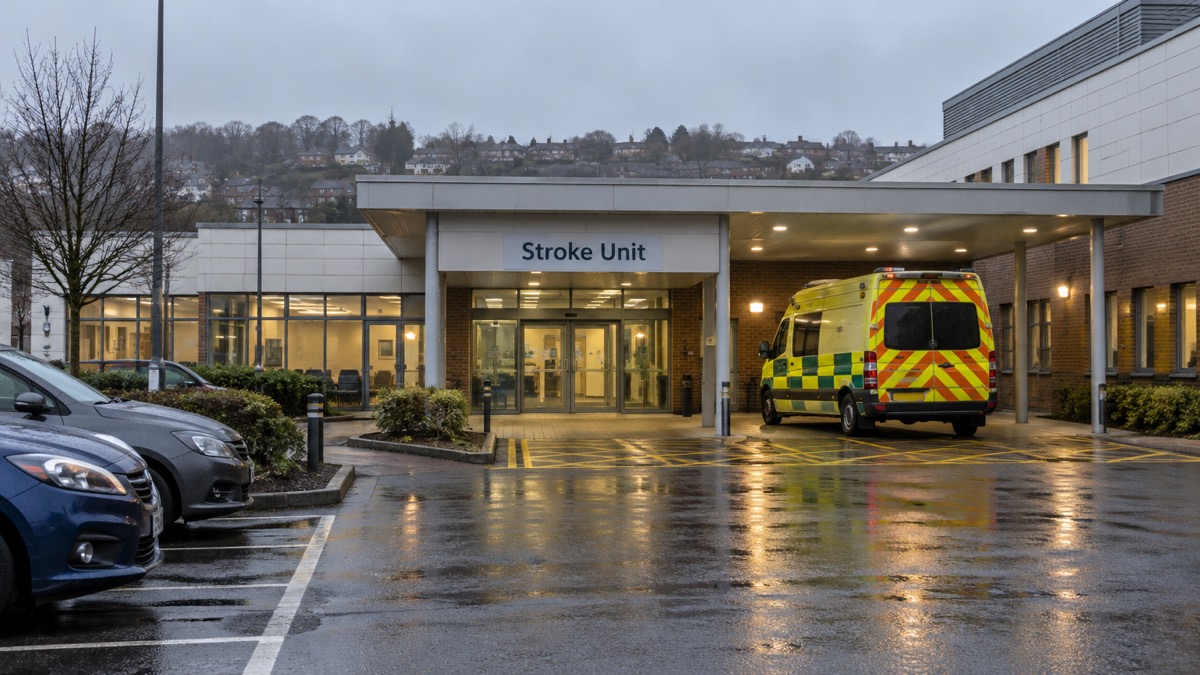
The NHS says ambulance paramedics are trained in stroke, so anyone having one receives emergency medical care and specialist treatment when responding to 999 callouts1. It has been reminding the public to call 999 in a life-threatening emergency such as stroke, or to use NHS 111 online as the first port of call for non-urgent health needs1. The NHS describes three types of stroke: ischaemic stroke, caused by a blockage cutting off the blood supply to the brain; haemorrhagic stroke, caused by bleeding in or around the brain; and transient ischaemic attack (TIA), also known as a mini-stroke, where a blockage temporarily stops blood getting to the brain1.
Why it matters for households
The campaign is aimed at the whole public, on the basis that anyone may be present when someone else has a stroke. The NHS advises calling 999 immediately on noticing any single one of the signs of stroke1. Juliet Bouverie OBE, chief executive of the Stroke Association, said stroke is a medical emergency and "time lost is brain lost"1. The NHS says early recognition can give patients extra minutes, enabling faster access to specialist treatment and increasing the chances of a better outcome1. For non-urgent health needs, the NHS directs people to NHS 111 online as the first port of call1. The FAST test guide sets out how to check for the signs, and the guide to calling 999 covers when an emergency call is appropriate.
What happens next
The portraits are published on the NHS England Act FAST pages, and the campaign is running. No end date or further phases have been reported1.
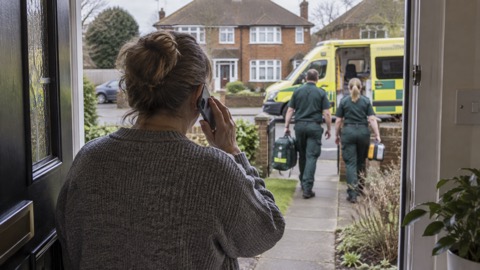 When to Call 999
 Spotting a Stroke with FAST