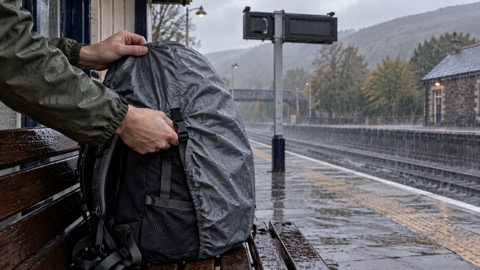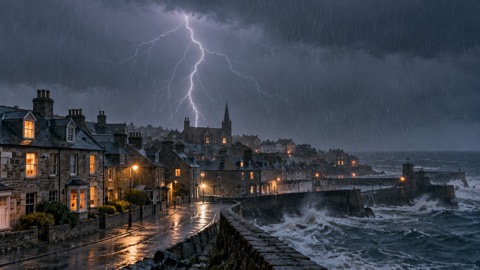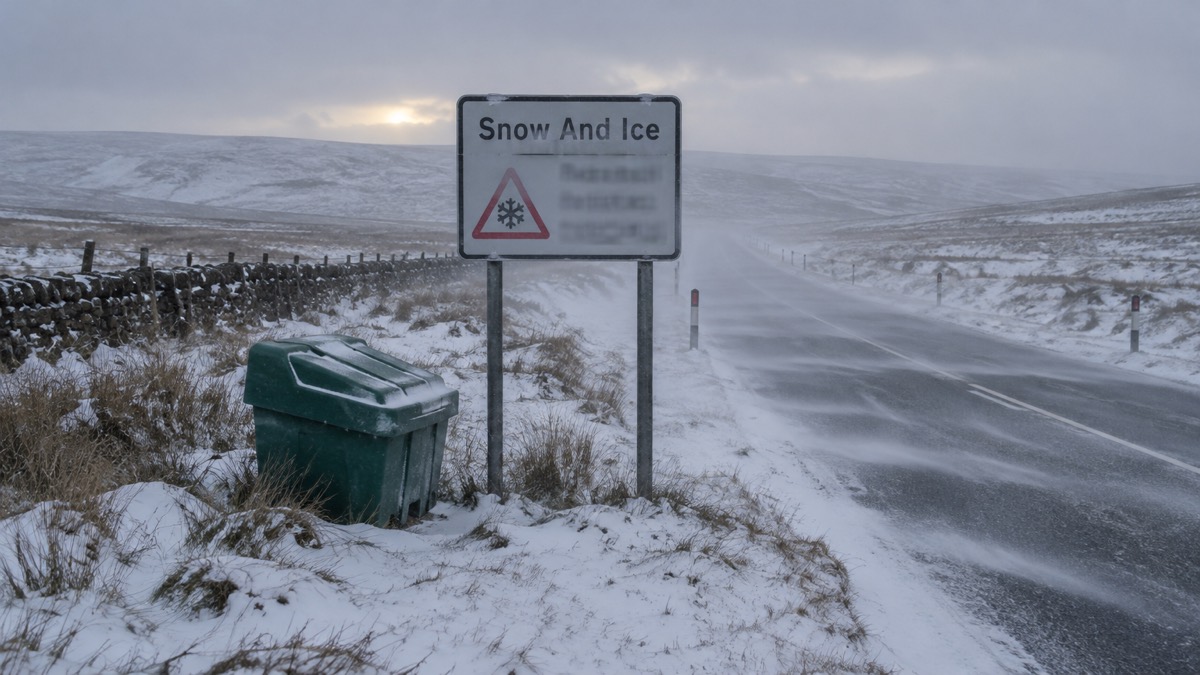
The Met Office issued several National Severe Weather Warnings for snow, ice and wind on 31 December 2025, saying colder air will move south across the UK from New Year's Day, bringing a marked drop in temperatures, severe gales in the north and an increasing risk of snow and ice1. The forecaster said high pressure to the west and low pressure to the east will bring a northerly airflow across the UK from 1 January, allowing Arctic air to push south and producing a prolonged spell of very cold weather1.
Chief Meteorologist Jason Kelly said Arctic air will cover the whole country by Friday, with temperatures falling well below average, snow showers and accumulations likely particularly in northern and some central areas, and a risk of widespread ice1. Very cold temperatures will continue through Saturday and Sunday, with minus double figures overnight and daytime temperatures not rising above 0°C for many areas, he said, adding that more severe weather warnings are possible and the cold spell could last well into next week1.
The UK Health Security Agency (UKHSA) has issued amber cold health alerts for England until 6 January1. Dr Agostinho Sousa, Head of Extreme Events and Health Protection at UKHSA, said the forecast temperatures can have a serious impact on the health of some people, leading to an increased risk of heart attacks, strokes and chest infections, particularly for individuals over the age of 65 and those with pre-existing health conditions1.
"Several National Severe Weather Warnings have been issued marking a significant change in conditions."
Why it matters for households
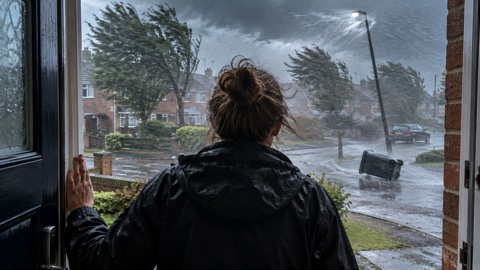
The warnings cover the whole UK, with the Met Office saying snow showers and accumulations are likely particularly in northern and some central areas and that severe gales are expected in the north1. The amber cold health alerts apply to England until 6 January1. The Met Office's guide to yellow, amber and red warnings explains what each level means, and households can sign up for alerts using the site's guide to Met Office weather alerts.
On travel, George Fiddes of Transport Scotland said the cold weather is likely to impact driving conditions in the areas covered by the yellow warning, and advised motorists to plan their journey, leave extra time if needed and drive to the conditions1. He said there may also be disruption on other modes of transport, and advised people planning to travel by rail, ferry or air to check with their operator before setting off1. The site's guide on whether to delay a journey in bad weather sets out how to weigh that decision.
Age Scotland policy director Adam Stachura advised people to try to make sure they have enough food and any important medications at home to reduce the need for unnecessary and potentially risky trips, particularly those with mobility challenges or who are unsteady on their feet1. He said that if heating a home is a challenge, people should try to stay warm in the room where they spend most time by wearing layered clothing, taking warm drinks and food with some regular movement to help circulation and keep muscles active1. He also asked people clearing snow and ice from paths and drives to think about doing so for older neighbours1. The site's guide to getting your home ready for cold weather and ice covers preparing a property, and its page on council help in severe weather covers bins, care and support.
The Met Office said its WeatherReady campaign offers practical advice to help people prepare their home, garden and daily routines for winter weather1.
What happens next
The Met Office said wintry hazards will continue and more severe weather warnings are possible, and that the cold spell could last well into next week1. The amber cold health alerts for England run until 6 January1. The Met Office advised people to keep up to date with the latest forecast and warnings and to plan ahead1.
Sources (1)
- Cold weather to grip the UK with risk of snow and gales - Met Office, metoffice.gov.uk
 Met Office Weather Warnings
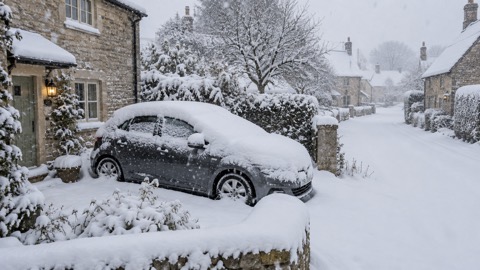 Delaying Journeys in Bad Weather
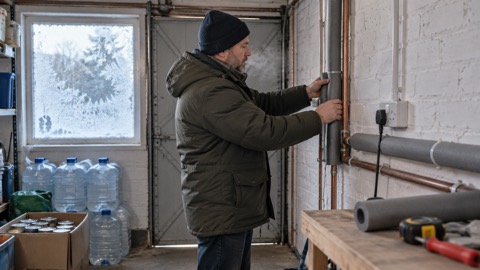 Winter Home Preparation