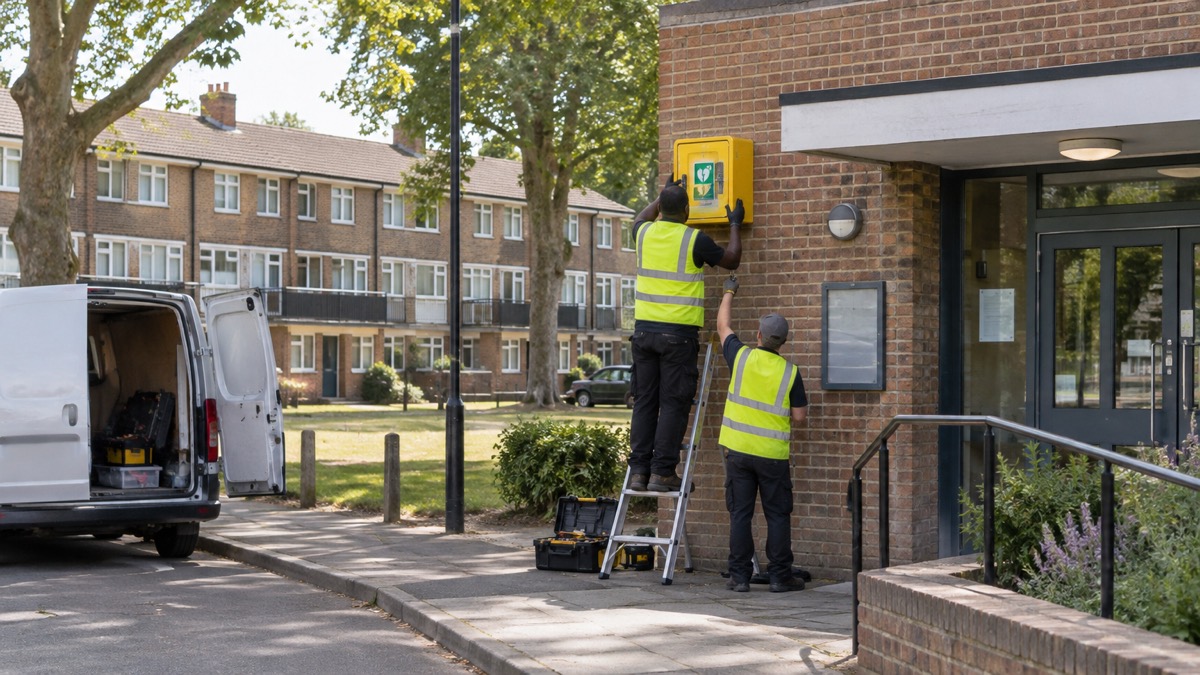
The London Ambulance Service has said its recent analysis revealed that dozens of neighbourhoods in London are "defibrillator deserts", where there is little or no access to a life saving device1. The service said the data showed large discrepancies between communities in outcomes for cardiac arrest and the availability of life-saving devices, and that households in more deprived areas are more likely to be in an area in greater need of additional defibrillators1. The analysis was published on 25 July 20241.
A 63-year-old woman who survived two cardiac arrests is backing a campaign to get more defibrillators into the areas of London that need them most1. Sue Whitham, who lives in Hanworth, suffered a sudden cardiac arrest at home; her husband Julian called 999 and began chest compressions until paramedics from London Ambulance Service arrived1. She was placed in a medically induced coma for several weeks to aid her recovery, and met her granddaughter Sienna, who was born as she fought for her life, once she regained consciousness at St George's Hospital1. Ten years earlier she had worked with the ambulance service to install four defibrillators at St Mary's University in Twickenham, where she worked, available for students and staff at the university and the local community1.
The campaign, led by the London Ambulance Charity, aims to improve survival rates for people who experience a cardiac arrest by raising funds to purchase additional defibrillators where they are most needed and teaching more people cardiopulmonary resuscitation (CPR) skills1. The charity's fundraising walk, The London Life Hike, is taking place on Sunday 8 September1.
"Knowing what to do when someone is in cardiac arrest and having the confidence to act quickly will save lives."
The service said that over 75 percent of cardiac arrests happen at home1. It has not been reported how many defibrillators the campaign aims to fund, how much it seeks to raise, or which neighbourhoods the analysis identified.
Why it matters for households
The service said households in more deprived areas are more likely to live in an area in greater need of additional defibrillators1. Because more than 75 percent of cardiac arrests happen at home, it said having defibrillators installed near where people live gives them a greater chance of survival1. Its head of first responders said the first few minutes before an ambulance arrives can make all the difference, and that learning simple skills could save someone you love1. Sue Whitham said performing chest compressions and using a defibrillator are the best ways of improving someone's chances of survival in cardiac arrest1. The service's account of her case describes a husband calling 999 and starting chest compressions while a call handler guided and reassured him over the phone1. Households can read about finding the nearest public access defibrillator and about how to tell cardiac arrest and heart attack apart; the first-aid hub lists the site's related guides.
What happens next
The London Life Hike fundraising walk takes place on Sunday 8 September1. No further dates for the campaign have been reported.
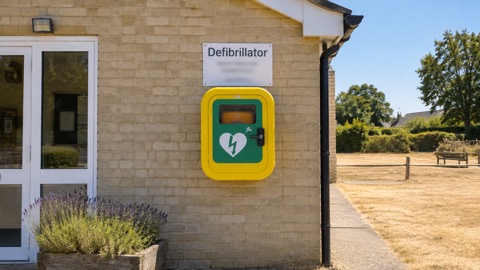
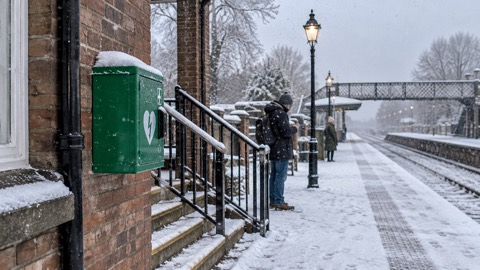 Public Access Defibrillators