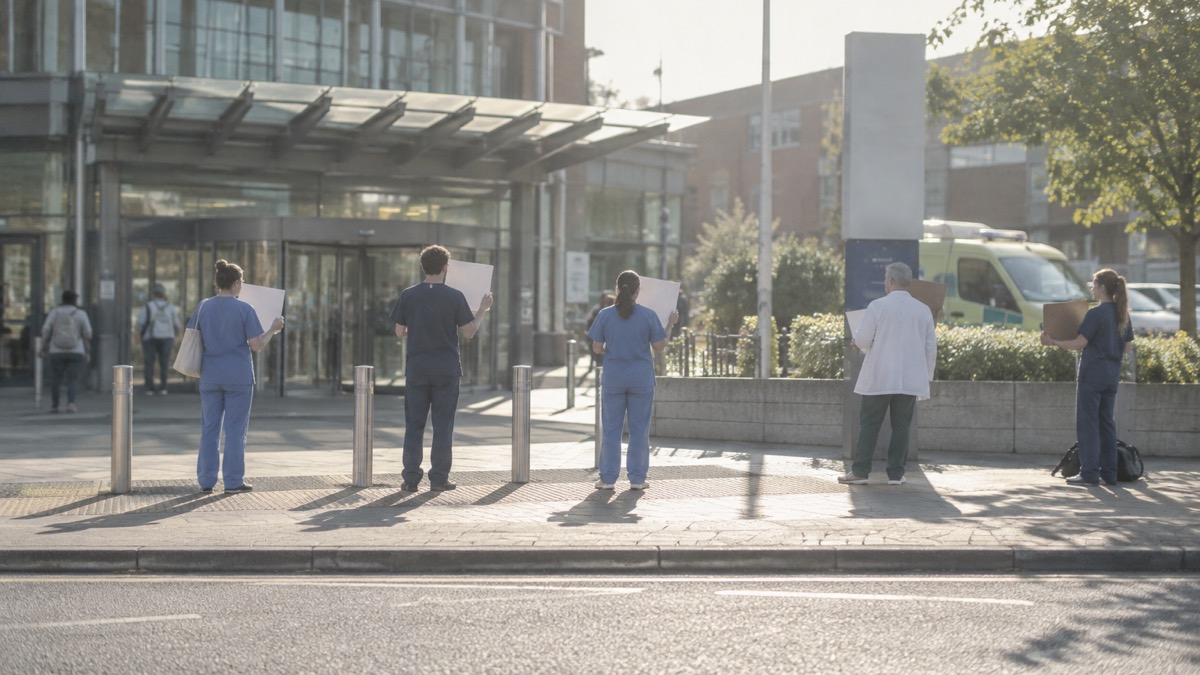
Junior doctors in England began five days of industrial action at 7am on Thursday 27 June, with the strike due to end at 7am on Tuesday 2 July, NHS England announced on 26 June. The action is set to affect most routine care as the NHS prioritises urgent and emergency care, with consultants stepping in to cover for junior doctors, who make up 50% of the medical workforce1.
NHS England said the strikes are expected to cause widespread disruption to routine care and difficulties with discharging patients1. Since strikes began in late 2022, more than 1.4 million inpatient and outpatient appointments have had to be rescheduled; during the most recent action in February, 91,048 inpatient and outpatient appointments were rescheduled and 23,760 staff were absent from work at the peak of the strikes1.
The action comes with a yellow heat health alert covering most of the country, which came into force on Monday 24 June2. NHS England reported 28,116 visits to the heat exhaustion page on the NHS website in the 48 hours of 24 and 25 June, compared with 13,598 over the weekend of 22 and 23 June, an increase of 107% and an average of one visit every six seconds2. The service said more than 2.4 million people attended A&Es across the country in May, the busiest month on record, following the busiest ever April for diagnostic activity, with over 2.3 million tests, checks and scans carried out1.
"This new round of strike action will again hit the NHS very hard, with almost all routine care likely to be affected, and services put under significant pressure."
Why it matters for households
NHS England said people should continue to use services as they normally would when they need urgent medical help, using 999 and A&E in life-threatening emergencies only, and should continue to attend planned appointments unless they have been contacted to say they have been postponed1. It said NHS 111, on the NHS App, online or by phone, is available for other health concerns, and that GP services and pharmacies can be accessed in the normal way1.
On the heat, the NHS advises that signs of heat exhaustion include tiredness, dizziness, headache, feeling sick, sweating or clammy skin, cramps, fast breathing or heartbeat, a high temperature, being very thirsty and feeling weak2. It advises moving someone affected to a cool place, removing unnecessary clothing, giving them a rehydration drink or cool water and cooling their skin with water, a fan or cold packs wrapped in a cloth, and says that if their condition does not start to improve after 30 minutes of resting in a cool place, call 9992. The NHS lists the following to prevent heat exhaustion or heatstroke: drink more cold drinks, especially if active or exercising; wear light-coloured, loose clothing; avoid the sun between 11am and 3pm; avoid excess alcohol; avoid extreme exercise; and, if inside, close curtains, and windows if it is hotter outdoors2. Heat exhaustion does not usually need emergency medical help if you can cool down within 30 minutes, but if it turns into heatstroke it needs to be treated as an emergency2. The heatwaves and drought hub sets out wider household preparation, and the guide to yellow, amber and red heat-health alerts explains what each level means; households can also read how to sign up for heat-health alerts.
What happens next
The strike is due to end at 7am on Tuesday 2 July1. NHS England said staff have been working to mitigate the impact, with trusts putting measures in place to maintain care for those who need it urgently and rescheduling planned appointments that are now unable to go ahead1. No further strike dates have been reported.





