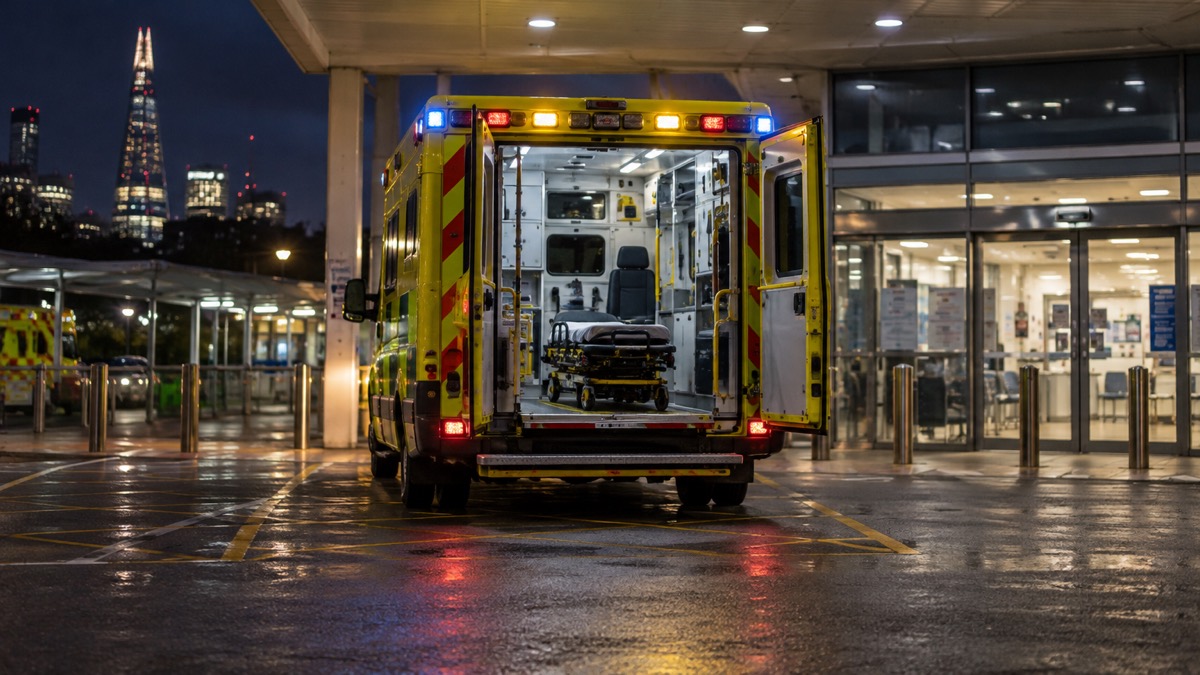
London Ambulance Service recorded a record 53,342 calls to 999 during the week of 22 to 28 June, the week of June's heatwave, the Service said on 10 July. It also recorded its highest number of Category 1 incidents, which involve the most seriously ill patients, including those in cardiac arrest or who had stopped breathing1.
The Service said it had moved to its highest level of escalation in response to expected demand over the weekend of 11 and 12 July, when England were due to play Norway in a World Cup quarter final. It said this meant more resources would be available to care for Londoners1. It reported that when England played Spain in the Euro 2024 final, demand was nearly 30% higher compared to a usual Sunday evening1.
Emergency call handlers described the volume of work during the heatwave. Marcus Donnelly said a lot of calls were down to heat exhaustion and that people with underlying health conditions were really struggling. Asha Patel said people who had been drinking alcohol were responding badly because of dehydration, and that she took 90 calls on the Friday and 93 on the Saturday, against a previous high of no more than 60 calls on a 12-hour shift1.
Darren Farmer, Director of Ambulance Operations, said:
"It is going to be hot on Saturday. We know that heat and alcohol do not mix well, especially when you throw in the tension of an England match."
The Service said alcohol-related incidents around England games include people passing out, injuring themselves and becoming violently unwell, and that these incidents are entirely avoidable but take up crews' time and could cause delays for someone with a life-threatening condition1. It advised people to stay hydrated, to drink alcohol in moderation if drinking, and to stay out of the sun during the hottest parts of the day. For non-emergency medical advice it said people should consider NHS 111 online, a local pharmacy or their GP, and that people should call 999 if someone is seriously ill or injured and their life is at risk1.
Why it matters for households
The figures cover the capital only, and the Service has not reported a breakdown by borough or by type of incident. The record call volume coincided with high temperatures, and the Service links both heat and drinking to the calls it handled, including heat exhaustion, collapse and heat stroke among people with underlying health conditions1. Its escalation means more resources are being made available over the weekend of the England match1. The Service's stated position is that 999 should be used where someone is seriously ill or injured and their life is at risk, with NHS 111 online, a pharmacy or a GP considered for non-emergency advice1. General guidance on hot weather and household readiness is set out in the guide to heatwaves and drought.
What happens next
The Service has not reported how long its highest level of escalation will remain in place, or what call volumes it expects over the weekend of 11 and 12 July. It said crews had been ready to respond throughout the World Cup1.





