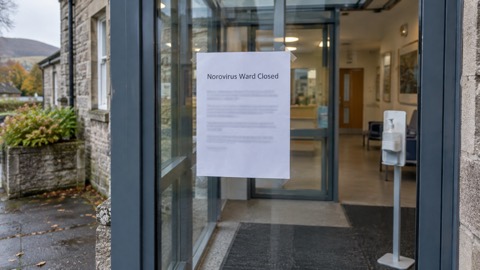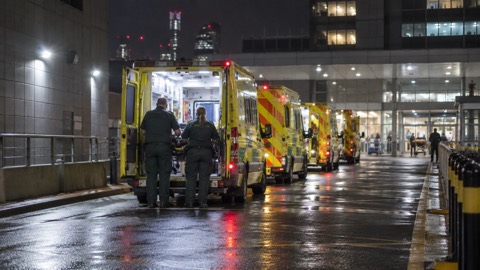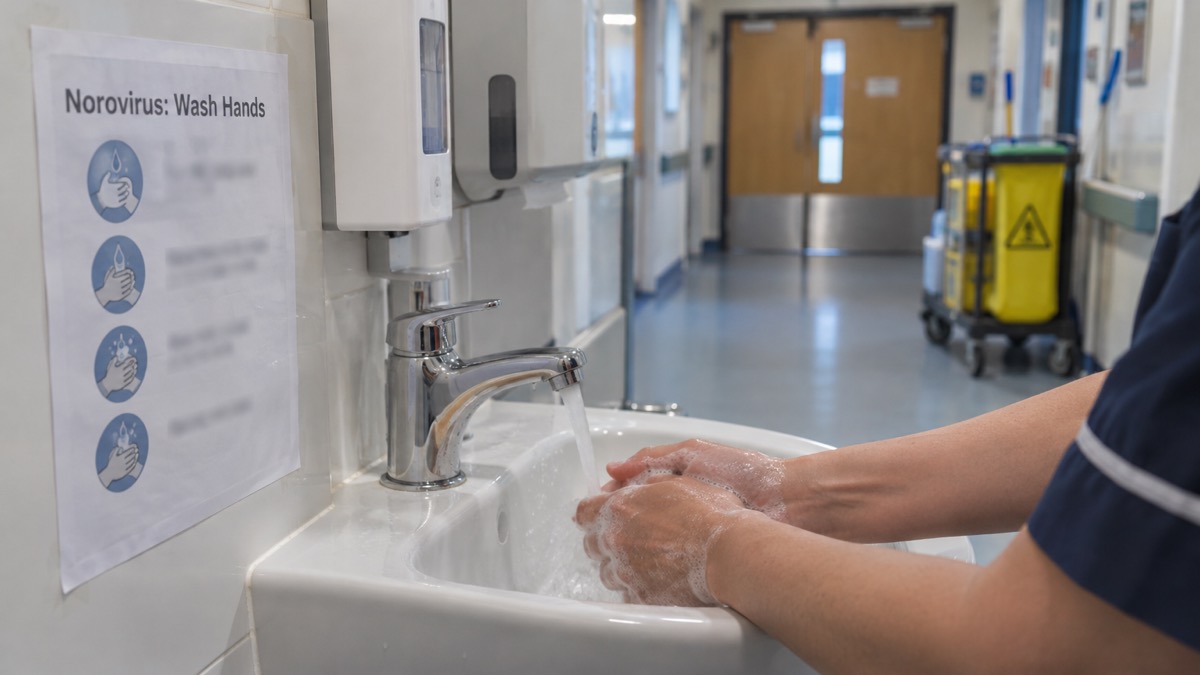
Health leaders in the North West have issued advice on preventing the spread of norovirus following a spike of people in the region's hospitals with the virus, NHS Cheshire and Merseyside said on 3 February 20261.
Latest data shows that in the North West, an average of 164 patients a day were in hospital with the virus in the week up to 25 January, more than two-thirds higher than the same week last year and an increase of 30% from the previous week, when an average of 126 beds per day were occupied by a patient with norovirus1. Nationally, an average of over 1,100 adult beds were closed or occupied due to the virus each day1.
Dr Paula Cowan, a GP and Regional Medical Director for NHS England in the North West, said alcohol hand gels do not kill norovirus and that frequent handwashing with soap and water prevents its spread. She said norovirus can usually be treated at home by resting, drinking plenty of fluids and taking paracetamol if needed to bring down high temperatures and ease discomfort1.
Dr Merav Kliner, Regional Deputy Director at UKHSA North West, said norovirus activity had remained high in recent weeks in the region. Symptoms include nausea, vomiting and diarrhoea, and can also include a high temperature, abdominal pain and aching limbs1.
"Norovirus infections can cause dehydration, especially in vulnerable groups such as young children, older people and those who are immunocompromised, so if you do get ill it is important to drink plenty of fluids."
The NHS advice for treating norovirus at home, as set out in the announcement, is:
| Advice | Detail |
|---|---|
| Rest | Stay at home and get plenty of rest |
| Fluids | Drink lots of fluids such as water or squash, not fruit juice or fizzy drinks, which can make diarrhoea worse |
| Food | Eat when you feel able to, avoiding fatty or spicy foods |
| Pain and temperature | Take paracetamol if in discomfort; check the leaflet before giving it to a child |
Source: NHS Cheshire and Merseyside1
Why it matters for households
The advice covers the whole North West region, with the hospital figures given for the week up to 25 January and published on 3 February1. Dr Kliner said people with diarrhoea and vomiting should avoid visiting people in hospitals and care homes to prevent spreading the infection in these settings, and should not return to work, school or nursery until 48 hours after symptoms have stopped, and should not prepare food for others in that time either1. The announcement says people can use the NHS 111 service, online at 111.nhs.uk or by calling 111, 24 hours a day, seven days a week, for health advice about managing symptoms and any treatment needed to avoid becoming more seriously unwell1. Further information on symptoms, treatment and stopping the spread is on the NHS.uk norovirus page1. Our guide to norovirus symptoms and how long it lasts sets out the same ground for households, and the page on the UK Health Security Agency explains how the agency's regional teams issue outbreak advice. The wider health emergencies section covers alerts of this kind.
What happens next
No further announcement or timetable has been reported. The announcement gives no date for updated norovirus figures.
Sources (1)
- Health advice as norovirus cases spike in the North West - NHS Cheshire and Merseyside, cheshireandmerseyside.nhs.uk
 Norovirus Symptoms and Spreading
 UK Health Security Agency