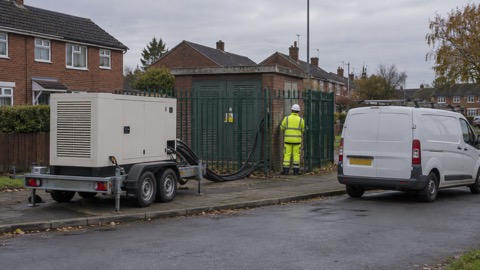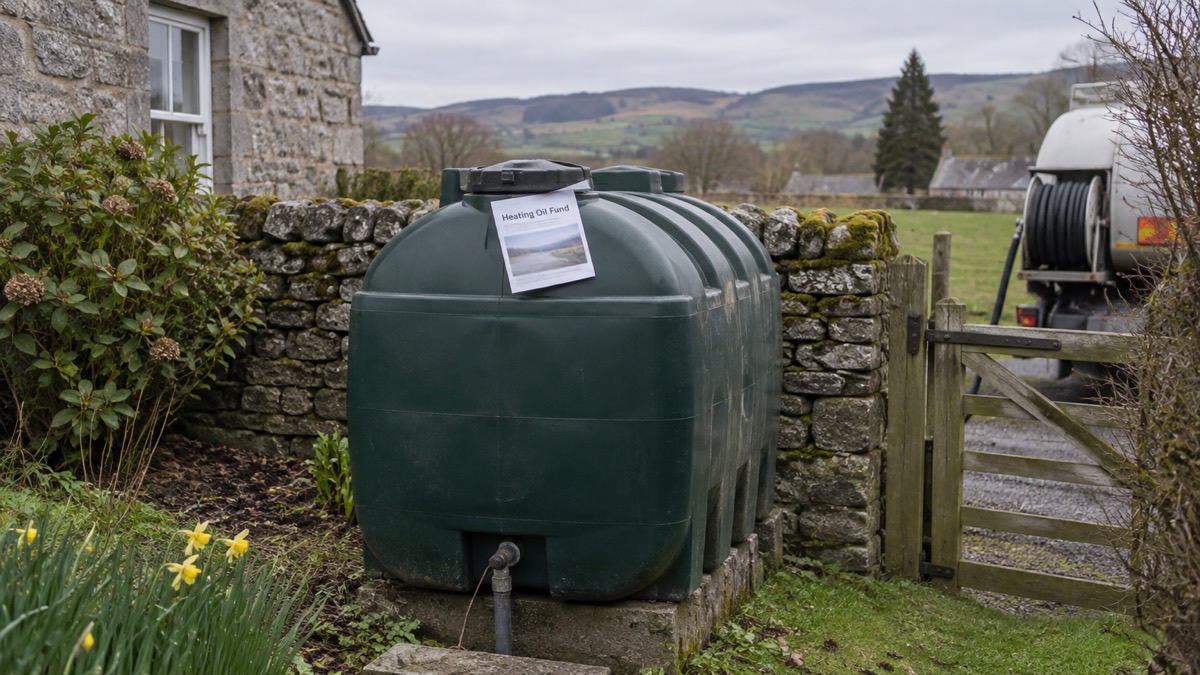
The UK Government launched a £50 million emergency fund in March 2026 to support households reliant on heating oil, the industry body UKIFDA and the fuel poverty charity National Energy Action (NEA) have both reported1. NEA states that the support is to be implemented through the local authority Crisis and Resilience Fund from 1 April3.
The fund followed sharp increases in wholesale jet fuel prices linked to conflict in the Middle East earlier this year, which raised heating oil prices across the UK1. UKIFDA explains that jet fuel and heating oil are both kerosene-based products, and that the wholesale jet fuel market is a key driver of heating oil prices in the UK and Ireland1. NEA says heating oil is not regulated, unlike the gas and electricity markets, and that there is no price cap in place3. It adds that it is aware of households reporting order cancellations or being unable to purchase the amount of fuel they require3.
Access to the fund is routed through a different body in each nation, according to UKIFDA1:
| Nation | Access route |
|---|---|
| England | Crisis and Resilience Fund1 |
| Scotland | Advice Direct Scotland1 |
| Wales | Welsh Discretionary Assistance Fund1 |
| Northern Ireland | Home Heating Oil Support Scheme1 |
UKIFDA states that households should check the eligibility criteria for any scheme before applying, and that schemes and eligibility criteria can change1. NEA reports that the Welsh Government has received £3.8m from the UK Government to support households dependent on oil and LPG for heating and hot water, and that this includes a one-off £200 payment for low-income households using heating oil or LPG who are on the Council Tax Reduction Scheme, with households having until the end of September to apply3.
The Competition and Markets Authority (CMA) has since completed its review of the domestic off-grid energy market. UKIFDA reports that the CMA found no evidence of widespread competition concerns in the heating oil sector and concluded that price movements were driven primarily by wholesale market conditions1.
"In March, the UK Government launched a £50 million emergency fund."
Why it matters for households
The fund is aimed at households that heat their homes with heating oil, which NEA says are more likely to live in remote or rural areas3. Because heating oil has no price cap, NEA says these households are being hit harder and faster by immediate price hikes3. UKIFDA encourages consumers to prepare for winter by monitoring tank levels regularly, maintaining adequate heating oil levels and ordering in good time, and recommends keeping at least 500 litres of heating oil in tanks wherever possible to reduce the risk of running low during periods of increased demand, severe weather or unexpected delivery delays1. It also advises keeping at least 12 inches (300mm) of oil in the tank to help reduce the risk of sediment and other contaminants being drawn into the heating system, and arranging a boiler service before winter2. UKIFDA's Cold Weather Priority Scheme allows participating distributors to prioritise deliveries to eligible customers aged 75 and over during periods of extreme cold weather or fuel shortages; the scheme is free to join2.
For context on regulated bills, NEA reports that a typical household pays £1,862 a year for gas and electricity as of 1 July 2026, against £1,277 before the energy crisis, and that UK suppliers were owed over £4.79 billion as of July 20263.
What happens next
NEA reports that households in Wales have until the end of September to apply for the one-off £200 payment3. UKIFDA states that its winter campaign, Don't Run Low This Winter: Act Now, Don't Be Caught Out, provides practical advice to heating oil households for the colder months2. The UK Government Resilience Framework and Action Plan sets out how government structures emergency support, and the uk-preparedness hub covers household planning for utility failures.
Sources (3)
- UKIFDA Statement On Current Heating Oil Prices - UKIFDA, ukifda.org
- UKIFDA Winter Campaign 2026-27 - UKIFDA, ukifda.org
- Energy crisis - National Energy Action (NEA), nea.org.uk