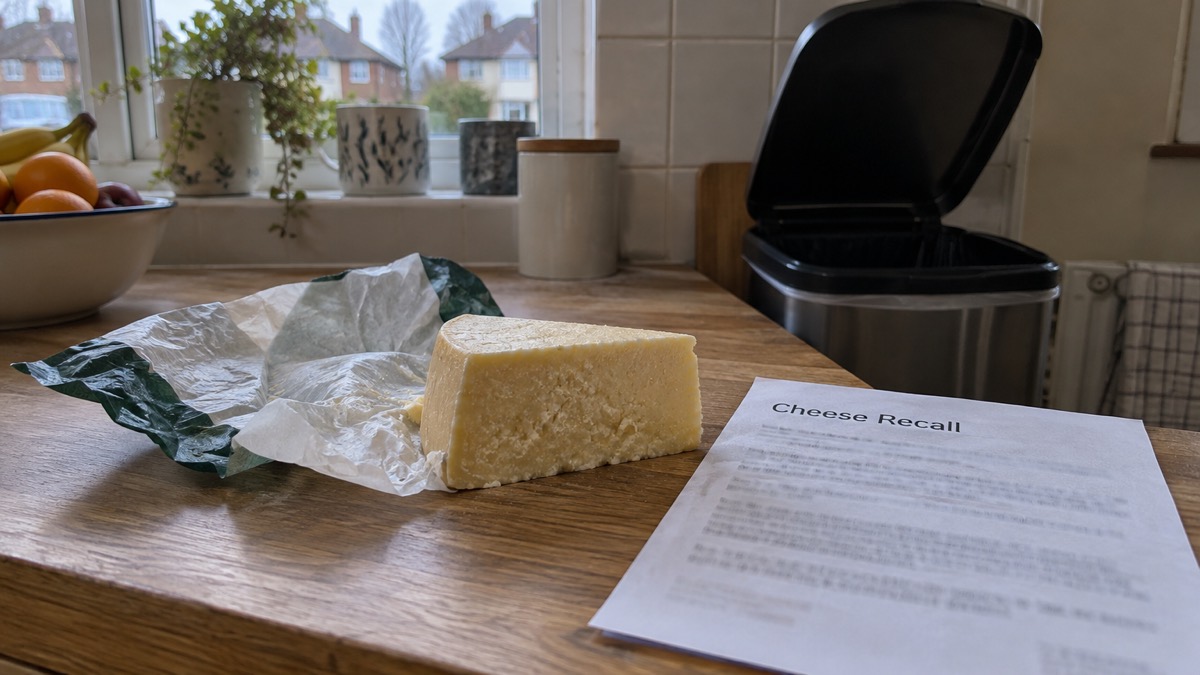
Food Standards Scotland (FSS), the Food Standards Agency (FSA) and the UK Health Security Agency (UKHSA) warned the public on 27 December 2023 not to eat four Mrs Kirkham's Lancashire Cheese products, which have been recalled as a precaution because they may be contaminated with Shiga toxin producing E. coli (STEC)1. The agencies said there had been at least 30 confirmed cases of this specific outbreak strain of STEC in the UK1.
The four cheeses named in the warning are Mrs Kirkham's Mild & Creamy Lancashire, Mrs Kirkham's Tasty Lancashire, Mrs Kirkham's Mature Lancashire and Mrs Kirkham's Smoked Lancashire1. The agencies said the cheeses are sometimes served as part of a hamper, as individual portions, or bought as a gift set or block, so it may not always be clear whether a household has purchased an affected product1. Consumers in doubt are advised to contact the retailer they bought the cheese from to find out whether it is from the businesses and batches affected, and in the meantime not to eat it, to store it safely, fully wrapped and not in contact with other foods1.
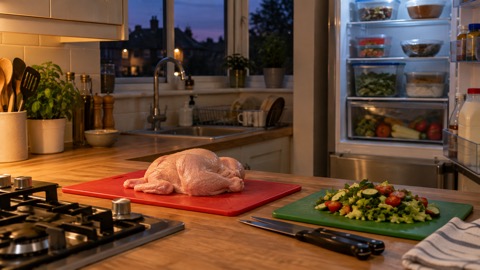
The agencies described the symptoms of STEC as severe diarrhoea (including bloody diarrhoea), stomach cramps, vomiting and fever, and said it can sometimes cause haemolytic uremic syndrome (HUS), a serious condition that can lead to kidney failure and can be fatal1. Their advice to households that have bought a recalled product is not to eat it, to clean thoroughly any surfaces, utensils and equipment the cheese may have touched to prevent cross-contamination of other foods and drink, and to keep fridges at 5°C or below, noting that fridges may be fuller at Christmas1. They also said it is possible that other cheese handled using the same equipment or on common surfaces may have been contaminated, and that businesses should follow the withdrawal and recalls and ensure good hygiene practice1.
"There have been at least 30 confirmed cases of this specific outbreak strain of STEC in the UK."
Stuart McAdam, Head of Incidents at Food Standards Scotland, said the recalled product may be popular over the festive period, especially as it has been sold as part of a Christmas gift hamper, and urged consumers to check whether they have it or may have gifted it to others, and to make sure family and friends who may have bought or received it are aware of the advice1. Amy Douglas of UKHSA advised washing hands with soap and warm water and using bleach-based products to clean surfaces, not preparing food for others while symptomatic or for 48 hours after symptoms stop, avoiding visits to people in hospitals and care homes while unwell, and not returning to work or school once term restarts until 48 hours after symptoms have stopped1. The agencies said the advice is especially important for those who are vulnerable, including people who are pregnant and those with weakened immune systems1.
Why it matters for households
The recall covers four named cheeses sold as blocks, individual portions, gift sets and in hampers, so a household may hold an affected product without having bought it directly, including where it was received as a gift1. The agencies advise checking with the retailer whether a purchase is from the affected businesses and batches, and not eating it in the meantime1. The incubation and severity of STEC illness, including the risk of HUS, mean that symptoms in any household member are relevant to the hygiene advice above, which the agencies direct particularly at people who are pregnant and those with weakened immune systems1. The background to these infections is set out in the site's guide to Salmonella, E. coli, Listeria and Other Causes of Illness, with outbreak alerts covered under health emergencies and UKHSA's outbreak advice.
What happens next
FSS, the FSA and UKHSA said they continue to work closely together and with local authorities in response to the outbreak, and that further recalls may be undertaken if any more products are found to be affected1. No further products or dates have been reported.
 Food Poisoning Bacteria