The Environment Agency opened its "Be Flood Prepared: Respond and Recover Quicker" consultation on 7 March 20241. The consultation page records the opening date as "Opened 7 Mar 2024"1. The consultation is listed as closing on 29 February 2028.
The consultation page is addressed to residents and business owners at flood risk1. It sets out the Environment Agency's free Flood Warning Service for main river flooding and practical advice on responding to flood alerts and warnings, with the stated aim that these steps make getting back to normal after a flood easier, cheaper and faster1. The page also covers recovery, including looking after yourself and others, drying and cleaning property, and keeping safe while doing so1.
The page describes three levels of warning and what the Environment Agency says each means1:
| Warning | Issued | Meaning |
|---|---|---|
| Flood Alert | Between 2 hours and 2 days ahead of flooding | Flooding is possible; be prepared |
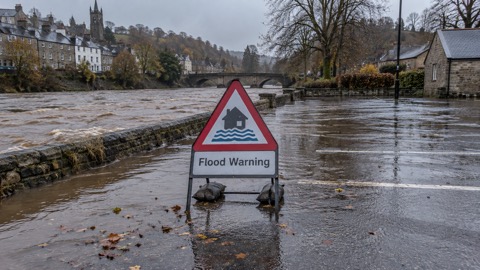
| Flood Warning | Between 30 minutes and 1 day ahead of flooding | Flooding is expected; immediate action is required |
| Severe Flood Warning | When flooding poses a significant threat to life | Significant threat to life |
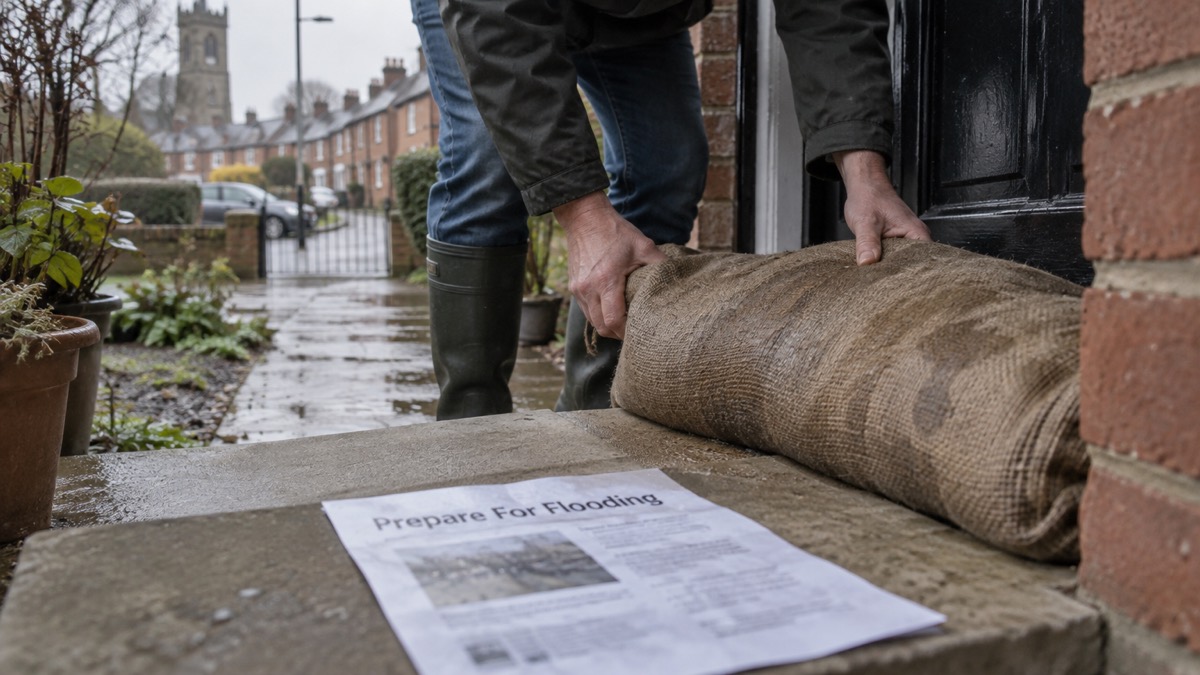
On preparing, the page states: "Planning ahead for flooding is straightforward, quick and free. Getting ready before a flood saves you money on recovery and time spent out of the property. Meaning getting back to normal quicker."1
"Planning ahead for flooding is straightforward, quick and free."
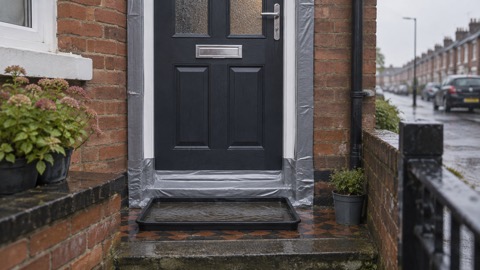
The page also describes Property Flood Resilience (PFR) as modifications and products added to a building to reduce the amount of water entering it, which can reduce flood damage and speed up recovery1. It states that these cannot eliminate flood risk but lower the impact and disruption of flooding, and that while the measures are not free, communities with them installed recover faster and have cheaper recovery costs1.
Why it matters for households
The consultation concerns households and business owners at flood risk in England, as addressed by the Environment Agency1. It brings together the agency's existing guidance on flood warnings, including the three warning levels and the actions the agency lists for each, and on recovering after a flood1.
For households, the page sets out the agency's advice at each warning level. At Flood Alert stage it lists keeping up with flood updates, packing a bag with vital items such as insurance documents and medications, checking how to turn off gas, electricity and water, and planning how to move family and pets to safety1. At Flood Warning stage it lists moving family, pets and important items to safety, turning off gas, electricity and water supplies if it is safe to do so, and not touching an electrical switch while standing in water1. At Severe Flood Warning stage it advises calling 999 if in immediate danger, following advice from the emergency services, and having an emergency kit including a torch, batteries, mobile phone and charger, important phone numbers, water, food, medicines and a first aid kit1. It also advises against walking or driving through flood water, stating that just 30cm of fast flowing water could move a car and that even shallow moving water can knock a person off their feet1.
The page covers flood doors and windows only in general terms, describing PFR as modifications and products added to a building to reduce the amount of water entering it, without naming products or makers1. On insurance, it refers households to the Flood Re scheme, which it describes as designed for people who have experienced a flood and providing help that could reduce the insurance cost homeowners pay in high flood-risk areas1. It advises insured households to check the policy, photograph or video all damage, mark water levels on walls before they recede, obtain the insurer's approval before repair work, and not dispose of any item until told to do so1. Those without insurance are directed to their local council for information on hardship grants or charities1. Further detail is set out in the site's flooding hub and home insurance in a flood risk area pages.
What happens next
The consultation page gives an opening date of 7 March 2024 and a closing date of 29 February 20281. No further dates for publication of responses or for any change in policy have been reported.
Sources (1)
- Be Flood Prepared: Respond and Recover Quicker - Environment Agency - Citizen Space, consult.environment-agency.gov.uk