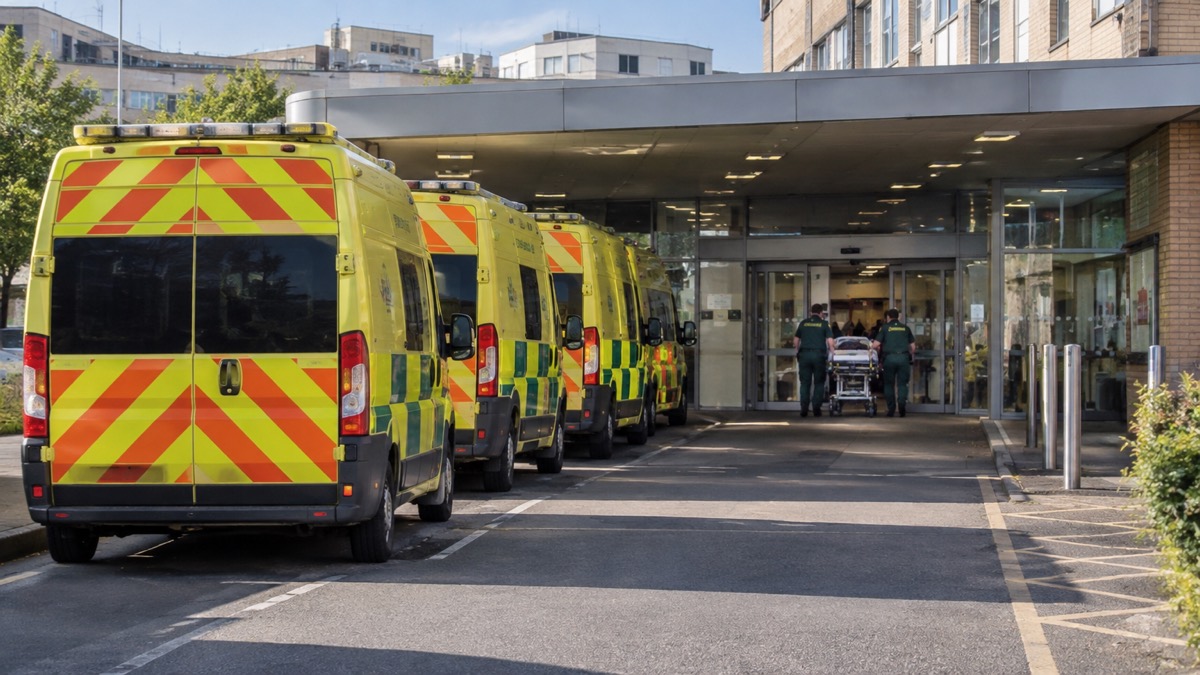
A&E departments in England recorded a record 2.5 million attendances in July, NHS England said, with the three busiest months ever recorded falling between May and July1. The figures were published by NHS England on 13 August 2026, in a release that attributed the pressure in part to two heatwaves2.
Despite the record demand, 75.4% of patients were seen, treated or discharged within four hours in July, an improvement on June1. NHS England also reported that 65.8% of patients were waiting within 18 weeks for treatment in June, described as the best performance since September 2021, and that the waiting list fell to 7.27 million2. Ambulance teams handled 829,675 incidents in July, the fourth-highest total on record and the second-highest outside winter, while 999 calls answered rose 6.5% on the previous July to 898,5032. Category 2 ambulance response times improved by 2 minutes and 42 seconds on the previous month, dropping below half an hour2.
NHS England said the heat contributed to an increase in admissions caused by more outdoor activity and respiratory issues linked to dry weather, as well as worsening of underlying medical conditions2. Professor Frankie Swords, NHS National Medical Director, said:
"With temperatures peaking today, please take sensible precautions to stay safe: keep hydrated, avoid the sun during the hottest part of the day especially if you are clinically vulnerable, and check in on older or vulnerable friends, relatives and neighbours."
He added that the public should continue to call 999 in a life-threatening emergency and otherwise use NHS 1112. Health and Social Care Secretary Yvette Cooper said she had made clear that summer pressures must be planned for in the same way as winter pressures2.
On 17 August 2026, NHS England said the national flu booking system had opened, with vaccinations starting on 1 September, and linked the earlier start to winter preparations after the summer's record demand1. It said local NHS services will begin sending invites to children and pregnant women next month via GP practice, the NHS app or letter, and that other eligible groups will begin receiving the jab from 1 October, including those aged 65 and over, all adults in a clinical risk group, adults in care homes, carers, people in close contact with the immunocompromised and frontline healthcare workers1. It said flu season usually peaks in December and January, that nearly 19 million people received their flu jab in England last winter, and that around 104,000 hospitalisations are estimated to have been avoided last year1.
Why it matters for households
The record figures cover July and were published in August, so they describe pressure already experienced rather than a forecast. NHS England attributes part of the rise to heat, and its national medical director advised people to keep hydrated, avoid the sun during the hottest part of the day, particularly if clinically vulnerable, and check on older or vulnerable friends, relatives and neighbours2. Households with someone eligible for a free flu vaccination can expect an invite through their GP practice, the NHS app or by letter, with children and pregnant women first and other groups from 1 October; NHS England says vaccinations will be available at GP practices and participating high street pharmacies1. Its guidance on staying safe in hot weather is relevant to the heatwaves and drought hub.
What happens next
Flu vaccinations start in England on 1 September 2026, with invites to children and pregnant women sent from September, and other eligible groups receiving the jab from 1 October1.





