Northern Gas Networks (NGN) has reported that confirmed or suspected cases of carbon monoxide (CO) incidents across the North of England rose by 16% last summer, and has teamed up with Doctor Hilary Jones to highlight the dangers of CO poisoning this summer1. The figure refers to the number of visits NGN engineers made in response to confirmed or suspected CO cases following calls to the National Gas Emergency helpline in summer 2024 compared with summer 2023, covering June, July and August across the North East, Yorkshire and Cumbria1.
NGN says its data confirms that cases of CO poisoning are also rising in the summer, when BBQs, camping stoves, outdoor heaters and pizza ovens all present an additional risk, and that CO poisoning can also happen in hotels, holiday lets, tents and caravans1. The gas distributor states that around 40 people die from carbon monoxide poisoning in England and Wales every year, while over 4,000 Brits seek treatment in A&E, citing NICE1.
Doctor Hilary Jones said:
"The main six symptoms to look out for are headaches, fatigue, nausea, dizziness, shortness of breath and collapse."
He added that if multiple people in a household experience the same symptoms when inside but get better when outside, this could be a sign of exposure to increasing levels of CO in the home1. NGN describes CO as a poisonous gas that you cannot see, smell or taste, produced by fires and appliances that burn fossil fuels such as gas, wood, oil or coal1.
NGN's summer guidance covers the main outdoor sources of risk:
| Source | NGN guidance |
|---|---|
| BBQs, including portable and disposable | Produce CO while burning and can emit the gas for hours after being extinguished and cold to touch; never take them inside a home, tent, holiday let or caravan1 |
| Outdoor fuel burning heaters, pizza ovens and camping stoves | Should only ever be used outside in open spaces, never inside a home, garage, tent, caravan or holiday let1 |
| Boilers | Serviced every year by a Gas Safe Registered Engineer; NGN suggests summer, when engineers are usually quieter1 |
| Travel | Pack a portable CO alarm for caravans, hotels and holiday lets in the UK or abroad1 |
Why it matters for households
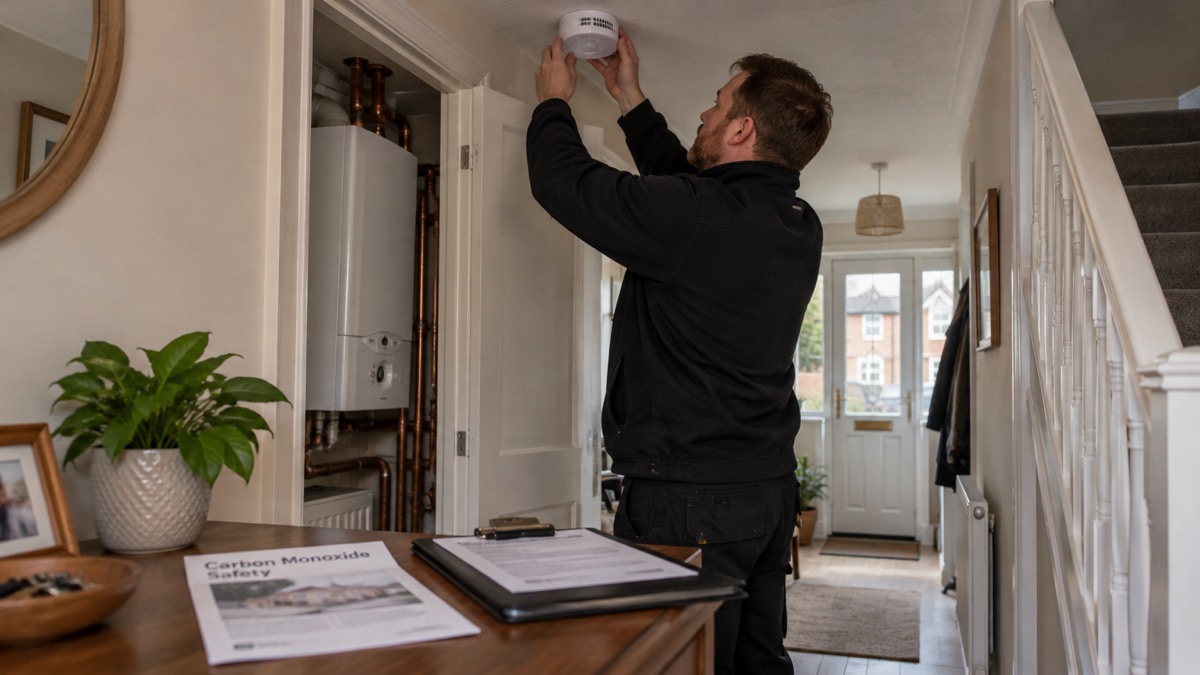
The rise applies to NGN's distribution area: the North East, Yorkshire and Cumbria1. NGN advises that the best way to prevent CO poisoning is to have domestic gas appliances safety checked annually and to have a CO alarm in the home1. It also advises placing a CO alarm nearby the boiler to alert households if it starts to leak CO1. On alarms themselves, the site's guides cover where to put a carbon monoxide alarm and why a carbon monoxide alarm is beeping, alongside the wider home emergencies hub.
If CO poisoning is suspected, NGN advises people to turn off the appliance they think may be causing it, open windows and doors, leave the building or place they are in, and seek urgent medical advice1. It advises calling the National Gas Emergency Service on 0800 111 999, which will send out a specialist engineer to investigate the cause1. NGN also warns that people should not attempt to turn off their gas supply at the meter if they live in a block of flats or occupy a multi storey building, or if their service pipe is 3 inches in diameter or more, and should contact NGN to arrange for an engineer to do so1.
What happens next
NGN says it is giving away 1,000 free carbon monoxide alarms to customers living in the areas in which it operates, with terms and conditions applying and the promotion open only to residents or business owners within its distribution area1. Full details are on its carbon monoxide page1. No closing date for the giveaway is given in the announcement1.
Sources (1)
- Doctor Hilary Jones issues urgent carbon monoxide warning for summer | Northern Gas Networks, northerngasnetworks.co.uk