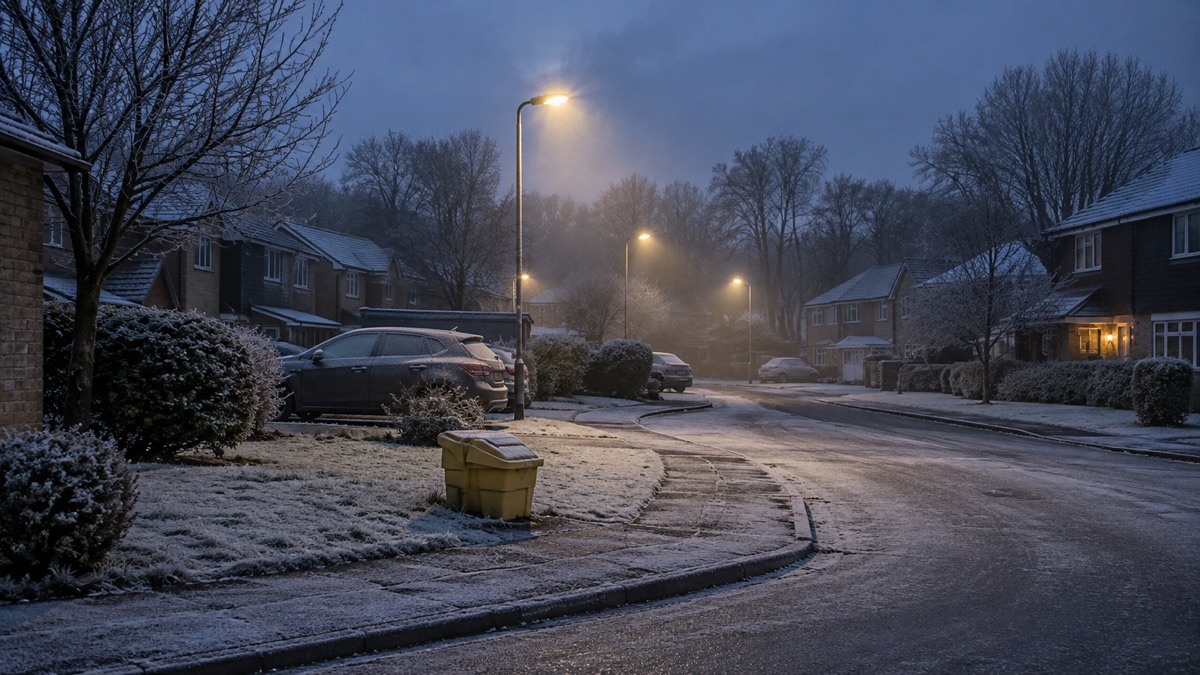
The Met Office and the UK Health Security Agency (UKHSA) warned on 3 February 2023 that all regions of England would experience cold weather from 6pm on Sunday 5 February to 6pm on Tuesday 7 February1. The UKHSA said low temperatures and widespread overnight frosts were forecast across England from Sunday, and encouraged people to stay warm and to look out for those most at risk from the effects of cold weather1.
NHS England issued a level 2 cold weather alert, "alert and readiness", at 8:46am on Friday 3 February 2023, stating that there was a 60% probability of severe cold weather between 6pm on Sunday 5 February and 6pm on Tuesday 7 February in parts of England2. NHS England said the weather "could increase the health risks to vulnerable patients and disrupt the delivery of services"2. The UKHSA page records that on Monday 6 February the level 2 alert was extended until midday on Wednesday 8 February1, and NHS England issued a further level 2 alert at 8:50am that day covering 9am on Monday 6 February to midday on Wednesday 8 February3.
David Oliver, a Deputy Chief forecaster at the Met Office, said an area of high pressure would dominate the UK's weather from Sunday, bringing some cold nights with a widespread frost across the country, while daytime temperatures would recover to around mid-single figures, near normal for the time of year1.
"Cold weather can have serious consequences for health, with older people and those with heart or lung conditions particularly at risk."
The UKHSA set out advice for households during the alert. It said it was important to check in on family, friends and relatives who are more vulnerable to the cold weather, and that people with a pre-existing medical condition or aged over 65 should try to heat their home to at least 18°C if they can1. Where people cannot heat all the rooms they use, it said it was important to heat the living room during the day and the bedroom just before going to sleep; that wearing several layers of thinner clothing keeps you warmer than one thicker layer; and that having plenty of hot food and drinks is also effective for keeping warm1. For people struggling to afford heating bills, it said Simple Energy Advice provides free advice on energy efficiency and national grants available to help keep you warm this winter1.
Why it matters for households
The alert covered all regions of England, so households in every part of the country were affected, from 6pm on Sunday 5 February to 6pm on Tuesday 7 February, later extended to midday on Wednesday 8 February1. The UKHSA identified older people and those with pre-existing health conditions as particularly at risk, and its advice on heating, clothing and hot food and drinks applied for the duration of the alert1. NHS England said the weather could increase health risks to vulnerable patients and disrupt the delivery of services2. The UKHSA's cold health alerts guide explains what the alert levels mean, and its guide to staying well in cold weather sets out the health risks and who is most at risk. Households can read how to sign up for Met Office weather alerts and how Met Office warnings are graded, with further background in the storms and snow hub and the staying informed hub.
What happens next
The UKHSA page records that the level 2 alert was extended on Monday 6 February until midday on Wednesday 8 February1. No further steps beyond that extension are given in the announcements of 3 and 6 February1.