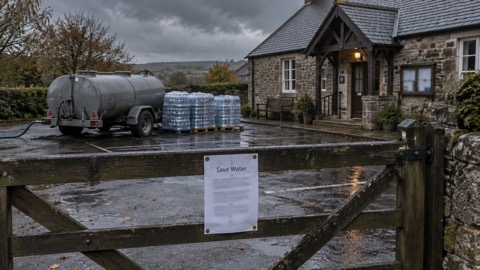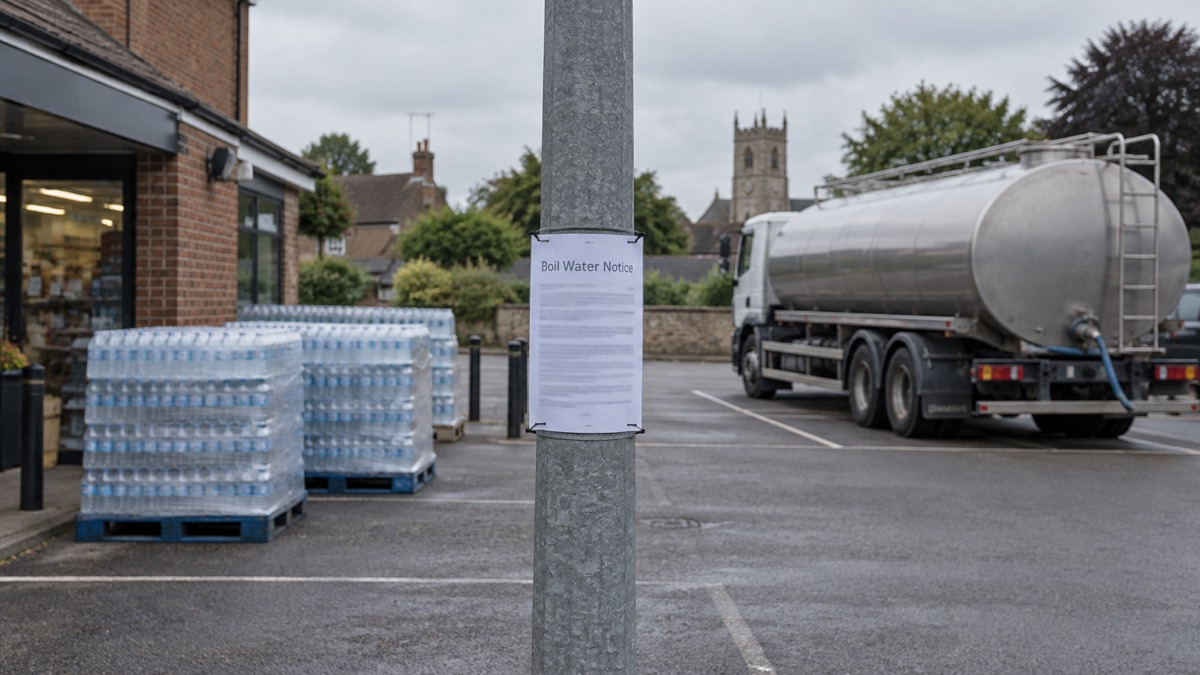
Anglian Water issued a Boil Water Notice (BWN) in July 2023, and joint research by the Consumer Council for Water (CCW) and Ofwat, published on 30 November 2023, examined how customers experienced the company's response1.
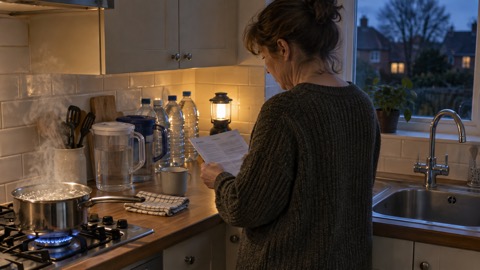
The research found that the incident was "a major inconvenience for most households who found it hard to manage the practicalities of boiling and then cooling water, particularly as the event went on", and that many opted to use bottled water instead1. The majority of participants did not always follow the advice to boil water, with some people using unboiled water for activities such as cleaning their teeth1. Most people got the news about the BWN on the first evening, but many perceived they were informed late, having heard first from a non-Anglian Water source1.
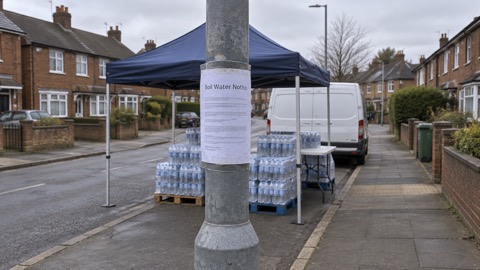
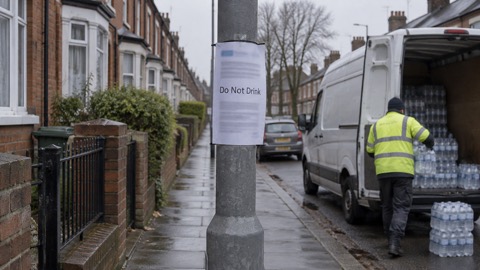
A key concern for affected residents was not knowing the cause of the notice. The tone and content of Anglian Water's communications suggested minimal risk, but some customers heard or suspected that it was E.coli and were angry that this information was withheld1. People registered for the Priority Services Register (PSR) received prompt support via water deliveries, but the communication and delivery of water left many other residents feeling confused, and some customers got no bottled water despite asking because they were not on the PSR1. Vulnerable households tended to find it harder to manage, especially getting bottled water delivery, owing to factors including an inconsistent approach to water distribution, and were more likely to report significant emotional and financial impacts and higher expectations of compensation1.
"Evidence from this incident suggests companies need to be transparent about the cause, and give practical advice about how to act, this would have improved compliance and confidence in the company."
The research sets out lessons for water companies, including that direct communications should underline the importance and urgency of the incident, ideally through more than one channel, and should be clear about which customers are affected and when the incident began1. It says people who are not on the PSR but require assistance need to be able to access support quickly and easily, and that companies should manage expectations about bottled water deliveries, for example if they are for vulnerable households only1.
Why it matters for households
The findings describe what households faced during a notice that asked them to boil and cool water over a sustained period. Practical difficulties with boiling and cooling water were widespread, and compliance with the boil advice was incomplete1. Customers not on the PSR who asked for bottled water did not always receive it, and vulnerable households reported greater emotional and financial impacts1. The research states that communications should reassure people who have been drinking the water before they knew it should be boiled about the level of risk to their health and any actions they need to take1. It also says companies should use post-incident communications to raise awareness of the PSR and the additional practical assistance available to people in vulnerable circumstances1. Households can read the site's guidance on what to do if you get a boil water notice and the boil notice checklist for your home, and on how to get bottled water delivered if you are vulnerable.
What happens next
CCW and Ofwat say they expect companies to take notice of the findings, and that they will use the results in their work with companies to help improve the experience of customers affected by service incidents1. No further dated steps are given in the published research.
 Boil Notice Checklist
 Boil Water Notice Advice
 Do Not Drink Notices