Electrical Safety First has published analysis of Home Office fire data showing that 1,140 accidental electrical fires involving common household white goods occurred in areas across England during the financial year 2023/24, the equivalent of three fires per day1. The charity released the figures during its annual Electrical Fire Safety Week1.
The term white goods covers only tumble dryers, washing machines, fridge freezers, dishwashers and washer/dryer combined appliances in the data analysed1. The charity says fires involving these appliances have steadily declined over the last four years, but that more than half of the 43 fire and rescue service regions in England saw an increase in fires linked to white goods1. Accidental electrical fires involving washing machines across England increased by 7% versus the previous year1. The areas recording the highest number of white goods fires in the last year included Greater London, the West Midlands, Greater Manchester, Devon & Somerset and Hampshire & the Isle of Wight; Greater London alone recorded 186 such fires, the equivalent of three every week1.
The charity's methodology counts incidents recorded as accidental where the source of ignition was deemed electrical, filtered for faulty appliances and leads, faulty fuel supplies, misuse of equipment or appliance, and placing articles too close to heat1. The figure of three fires a day is calculated by dividing the 1,140 fires by the 365 days of the year1.
"Fires of any type can ruin lives, by damaging physical and mental health, destroying homes and putting lives at risk. It's easy to forget that they can start from the very appliances we interact with on a daily basis in our homes."
The charity also published insurance figures provided by Admiral Home Insurance, which show the average claim involving white goods fires over the last three years was £36,870, with the highest single claim just under £290,0001. More than half (51%) of the insurer's white goods fire claims were due to tumble dryers and almost a quarter (24%) to dishwashers1.
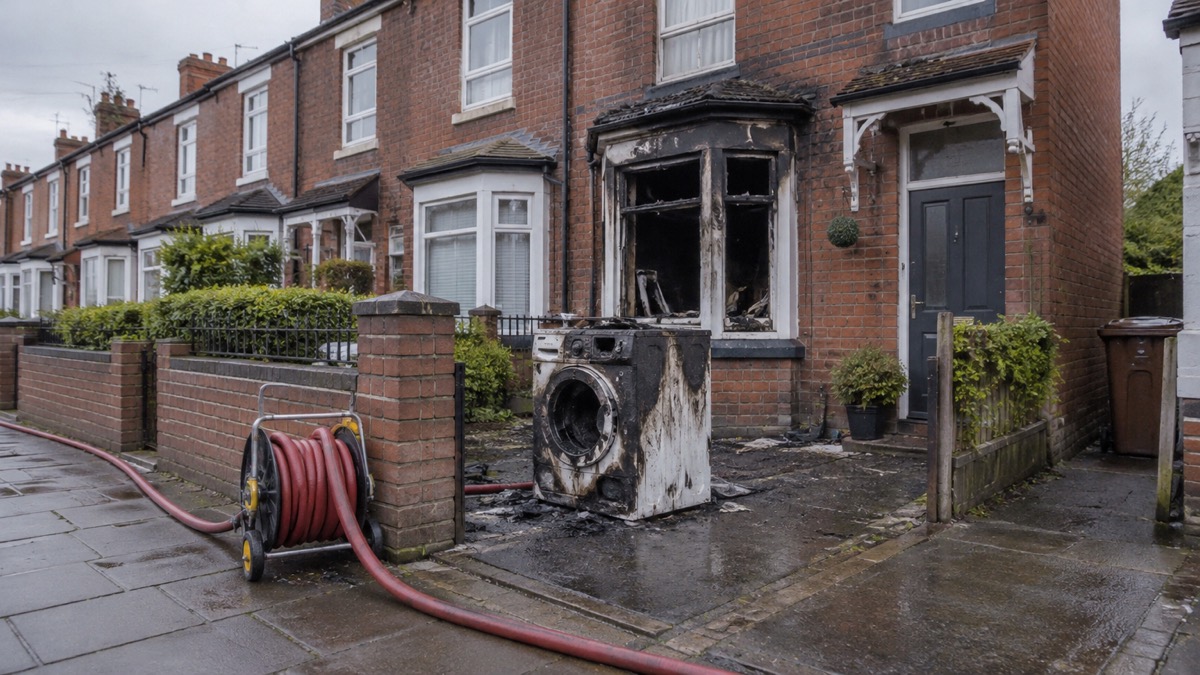
Two households described fires involving tumble dryers. Mandy Ebury, a mother of five from Basingstoke in Hampshire, said her tumble dryer caught fire shortly after being switched on on a Saturday in late November, and that the family spent Christmas in two hotel rooms in temporary accommodation1. Leanne Haynes, from Warwickshire in the West Midlands, said she woke at around 4am to the sound of the carbon monoxide alarm followed by the fire alarm, and that her carer dragged the tumble dryer outside, where it caught fire seconds later1. The charity says the fire is believed to have been caused by an electrical fault, as the appliance was simply plugged in and switched on1.
Why it matters for households
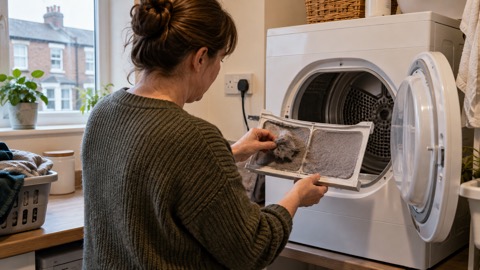
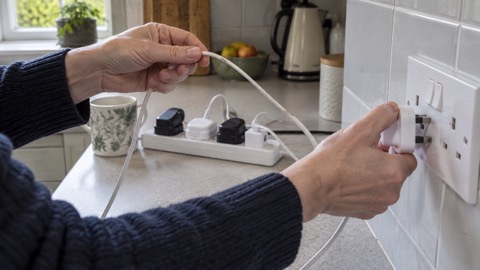
The figures cover fires in the home involving appliances used daily for washing, drying and food storage. Electrical Safety First says such fires can be caused by poor ventilation, wiring that may become damaged, a lack of maintenance, faults, and overloaded extension leads if an appliance is connected through one1. It advises households to clean lint filters on dryers regularly and register appliances so the manufacturer can contact them if a product is recalled1. It also advises checking that cables are not damaged and avoiding extension leads that might become overloaded1. Because fires are particularly dangerous when people are sleeping, the charity says to avoid running appliances at night if possible, as the ability to respond quickly is decreased, and that a fire alarm should be fitted on every floor of a property so occupants are alerted and can escape1. The site's guides on electrical fires and kitchen fires cover overloaded sockets, faulty appliances and cooking safety, and the home emergencies guide covers fire alongside carbon monoxide, gas leaks and burst pipes.
What happens next
No further dates or actions have been reported beyond the publication of the analysis during Electrical Fire Safety Week1.
Sources (1)
- White Goods Linked to Three Fires a Day as More Than Half of Areas in England See a Rise, electricalsafetyfirst.org.uk
 Home Emergencies
 Electrical Fires and Sockets