Burton makes home safes: lockable boxes that hold the documents, cash and small valuables you would not want to lose. For a household getting ready for emergencies, that is a narrow but useful job. A safe gives those papers one known place in the house, so that when something happens you are not searching for them.
A safe does three things in an emergency. It puts those papers in one place you already know, so you can put your hand on them in the dark or in a hurry. It gives them some protection if the building is damaged while you are out. And it keeps them out of the way of the everyday clutter that official fire guidance warns about, because a clear route and a clear home are safer in a fire1.
This page covers the Burton home safes, what each is for, how a safe fits a household plan, and how to keep one ready. It does not cover prices, and it does not compare Burton with other makers.
The short answer
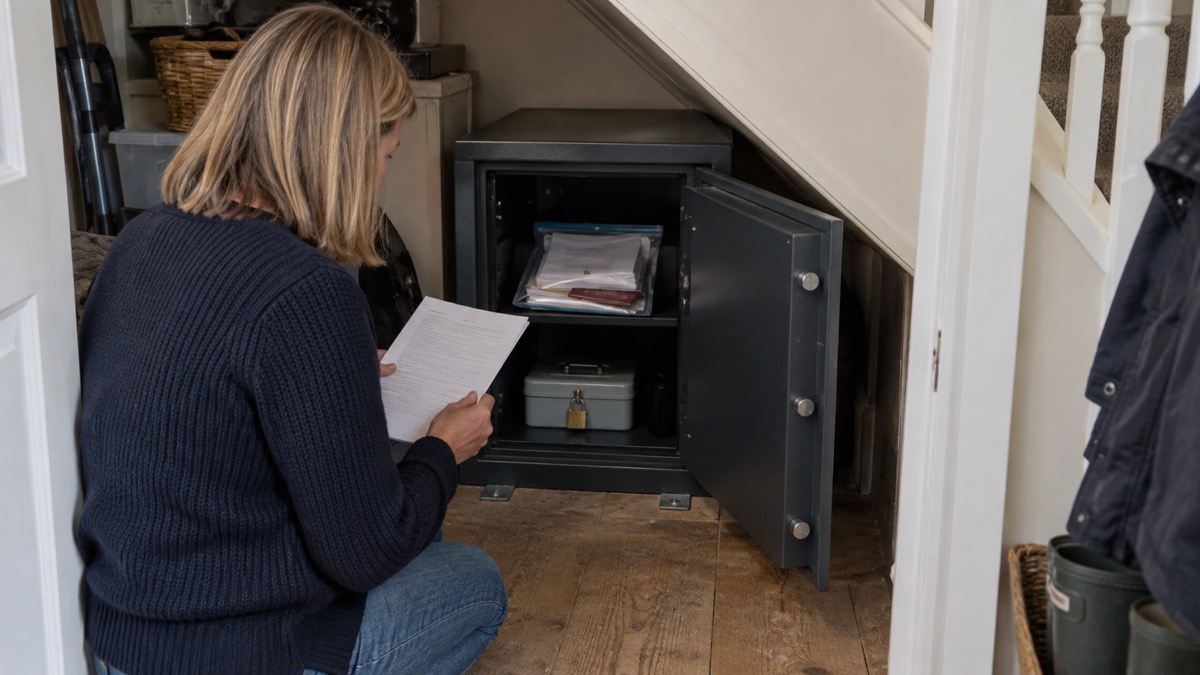
A Burton home safe is a place to keep the paperwork that gets a household back on its feet after an emergency. It is not a kit in itself and it will not keep you warm, fed or lit. What it does is make sure that when you have to claim on insurance, prove who you are, or replace a lost licence, the papers you need are dry, intact and in a place you can find without searching.
That matters most in three situations. In a flood, official guidance says to make up a flood kit and keep it upstairs if possible, and to put key personal documents in it6. In a fire, the building may be unusable and you may be dealing with insurers from a hotel or a relative's house. In a burglary, the loss of a passport or a licence can take weeks to put right.
Burton's range includes the Home Safe S2 Size 1, the Home Safe G3 Size 1, the Home Safe G0 and the Home Safe Grade 1 MKII2. Each product page sets out that model's specification, including what it is built to withstand. Read the page for the model you are considering rather than assuming a rating carries across the range.
What to do
Decide what the safe is protecting
Start with the list, not the box. Official flood guidance names the contents of a flood kit: a torch, blankets, waterproof clothing, wellingtons, a portable battery-powered radio, a first-aid kit, rubber gloves and key personal documents6. A separate grab bag list is more specific about the paperwork: passport, driving licence and insurance documents in a waterproof wallet, plus emergency cash and bank cards, spare glasses or hearing aid batteries, and spare house keys7.
Those are the things a safe is for. Write the list down, check what you actually hold, and note what is missing or out of date before you buy anything.
Choose the model that matches the risk
The range gives you a choice of four. The right one depends on what you are protecting against, not on size alone.
| Model | What it is for | Check on its page |
|---|---|---|
| Home Safe S2 Size 1 | A compact safe for a household's core documents | The model's stated protection rating and its dimensions2 |
| Home Safe G3 Size 1 | A safe for a household wanting a higher specification in a small unit | The model's stated protection rating and its dimensions3 |
| Home Safe G0 | A safe for a household with more to store | The model's stated protection rating and its dimensions4 |
| Home Safe Grade 1 MKII | A safe built to a graded specification | The model's stated grade, rating and dimensions5 |
The general guide to home security sets out how a safe fits with locks, lighting and the rest of a household's defences.
Site it, fix it, and rehearse it
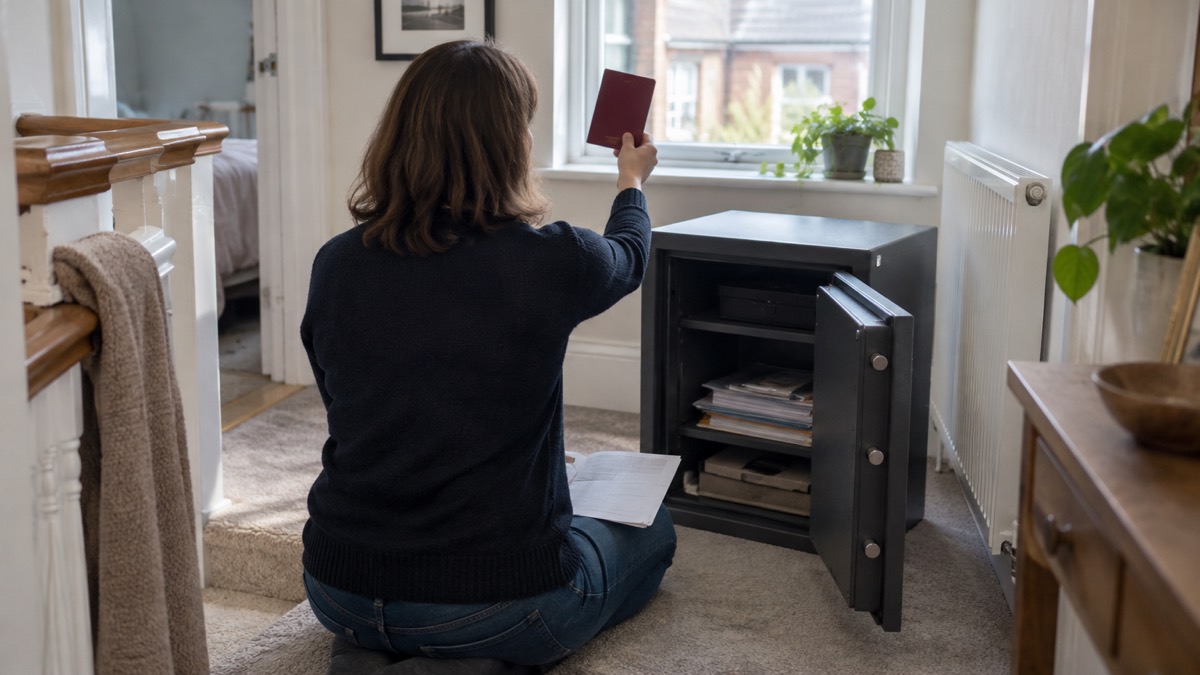
Official fire guidance is blunt about escape routes: plan and practise your escape route and keep it clear at all times, because a clear route also helps firefighters reach you1. A safe in a hallway or on a landing can undo that. Put it where it does not narrow a route or block a door.
Fix it down. A safe that can be carried out of the house is a safe that protects nothing in a burglary. Keep the key or the code somewhere other than beside the safe, and make sure everyone in the household who might need the papers knows where the safe is and how to open it. Then practise: once a year, open it, check the contents are current, and put them back.
What you need
The safe and what goes in it
A safe is one line on a longer list. The emergency kit guide covers the rest: a torch, a charged power bank, a battery or wind-up radio, spare batteries, a first aid kit, hand sanitiser and wet wipes, bottled water and ready-to-eat food, and supplies for babies, children or pets9. The safe holds the paperwork that sits alongside those things.
Official grab bag guidance gives a fuller contents list worth working through: warm clothing, basic toiletries and medication, a notepad and pen, household documentation, insurance and personal identification, snacks, baby food, nappies, clothes, bottled water, pet food, a collar and lead, and cash10. The safe takes the documentation, insurance and identification part of that list, plus the cash if you would rather it were locked away.
Documents, keys and cash
The paperwork to gather:
- Passport and driving licence, in a waterproof wallet7
- Insurance documents, including home insurance7
- A written list of important telephone numbers11
- Spare house keys7
- Emergency cash and bank cards7
- Spare glasses or hearing aid batteries7
Keep a copy of the list of what should be inside, so that a check is quick and nothing quietly goes missing.
What not to lock away
Medicines should not go in the safe. Official NHS guidance is clear that running out of tablets over a weekend is not a reason to panic, because there are options outside GP working hours8. That only works if you can find your medicines and your repeat prescription information quickly, so keep them where you normally keep them and keep the paperwork with them.
Staying safe
Fire, escape and the safe
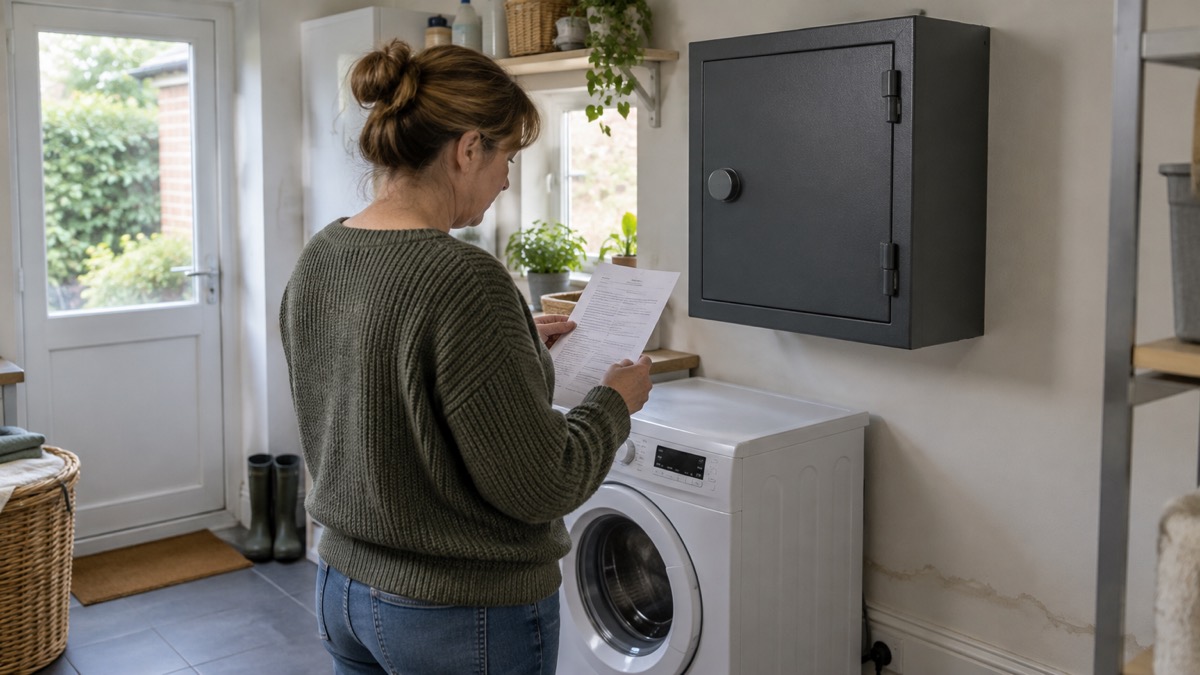
The fire and rescue service advice that bears on a safe is about routes and routines. Plan and practise your escape route and keep it clear at all times1. Introduce a bedtime routine that everyone in your home is familiar with, and close all doors and switch off electrical appliances except the fridge freezer before bed12. A safe should never be part of the reason a door will not open or a hallway is tight.
"Plan and practise your escape route and keep it clear at all times"
Water, damp and paper
Flood water defeats most containers eventually. Official guidance says to keep your flood kit upstairs if possible6, and to put documents in a waterproof wallet7. If your safe has to sit at ground level, fix it high on a wall rather than on the floor, and seal the papers inside it as well. The flooding guide covers the wider preparation.
Access, keys and children
A safe is only as good as its key control. Keep the key or code away from the safe, tell the adults in the household where it is, and decide in advance what you would do if the key were lost in the event the safe was meant to protect against. The home emergencies guide covers fire, carbon monoxide, gas leaks and burst pipes, which are the events most likely to put a safe to the test.
Where Scotland, Wales and Northern Ireland differ
The safe itself does not change at the border. What changes is where the household goes for help and what the surrounding advice says.
Official flood guidance is published in Welsh as well as English, with the same core list: a torch, blankets, waterproof clothing, wellingtons, a portable battery-powered radio, a first-aid kit, rubber gloves and key personal documents14. Natural Resources Wales publishes its own flood preparation guidance, which adds copies of home insurance documents, a phone charger and battery pack, a list of important telephone numbers, a torch with spare batteries, a radio, warm waterproof clothing and blankets, a first aid kit and prescription medication, bottled water and non-perishable food, baby food and care items, pet supplies, rubber gloves and wellington boots, and face masks and hand sanitiser11.
In Scotland, the winter safety campaign advises keeping a battery-powered radio tuned to your local station, spare glasses, pencil, paper, a pen knife and a whistle at home15. Those are the same categories of item a safe is meant to protect the paperwork for, and the same logic applies: one known place, checked regularly.
Travel and road information is published separately for each nation, with Traffic Scotland's equivalent information available for England, Wales and Northern Ireland through their own websites16. If your household plan involves leaving in bad weather, note which service you would check.
Sources (16)
- Hoarding and clutter fire risk, Cheshire Fire and Rescue Service, 2026
- Burton Home Safe S2 Size 1, Burton
- Burton Home Safe G3 Size 1, Burton
- Burton Home Safe G0, Burton
- Burton Home Safe Grade 1 MKII, Burton
- Flooding advice, Mid and West Wales Fire and Rescue Service, 2026
- Flood grab bag, Harborough District Council, 2026
- Out of medication over the weekend: here's what to do, Woodbank Surgery, 2026
- Safe and well booklet, Cheshire Fire and Rescue Service, 2026
- How prepared are you and your family? | Dorset Local Resilience Forum, Dorset Local Resilience Forum
- Preparing for a flood, Natural Resources Wales, 2026
- Bedtime routine and escape plan, North Yorkshire Fire and Rescue Service, 2026
- 12 top tips for staying safe at home this Christmas, Dorset and Wiltshire Fire and Rescue Service, 2020
- Cyngor ar lifogydd, Mid and West Wales Fire and Rescue Service, 2026
- Keep Safe Keep Well winter safety campaign 2024-2025, NHS Western Isles, 2024
- Drive safely in winter weather, Met Office, 2026
 Burton Home Safe S2 Size 1
 Burton Home Safe G3 Size 1
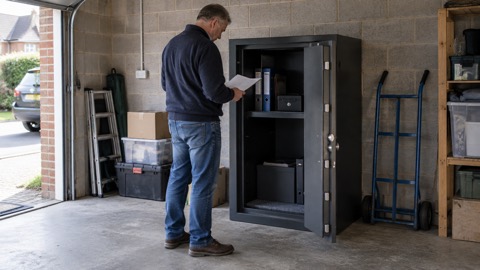 Burton Home Safe Grade 1 MKII