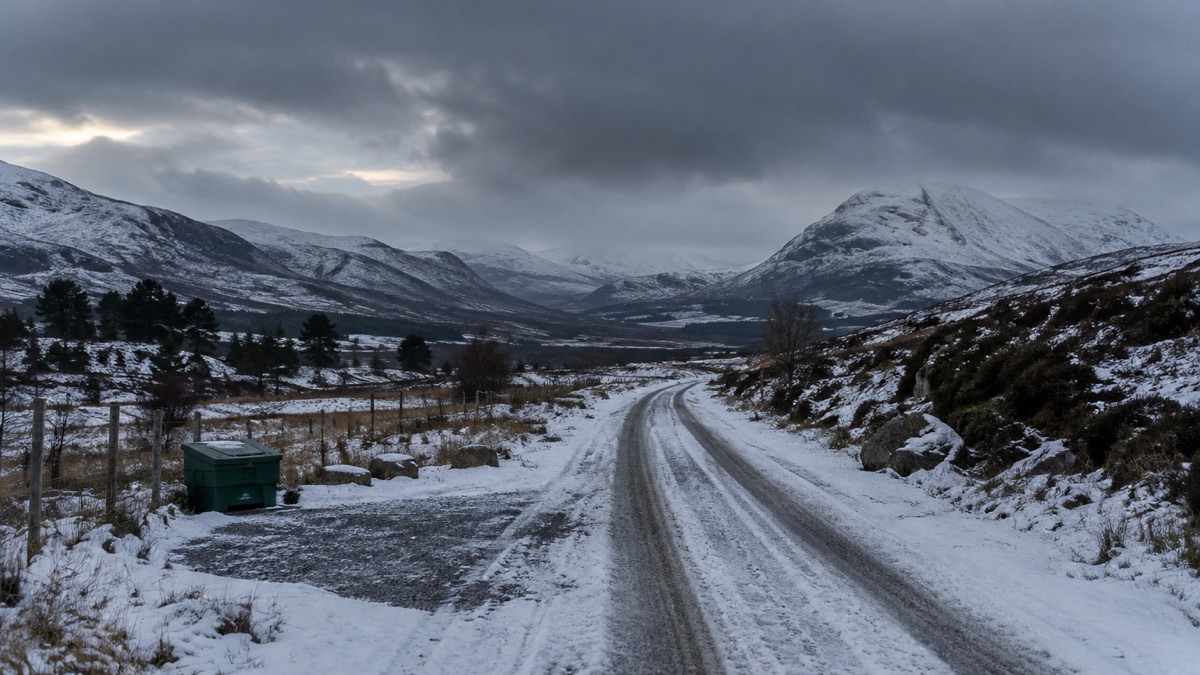
The Met Office issued a yellow national severe weather warning for snow and ice for northern parts of Scotland, running from 06:00 on Thursday 1 January to 23:59 on Friday 2 January1. The warning was announced on Monday 29 December 2025, with the forecaster saying more warnings were likely to follow1.
Throughout Thursday, showers were expected to turn increasingly to snow in northern Scotland, accompanied by a strong, possibly gale-force northerly wind, with some significant accumulations possible by Friday morning1. The Met Office said Arctic air and strong northerly winds would bring cold or very cold conditions to all parts of the UK, with widespread and locally severe frosts and the first snow of the winter for many1. Its deputy chief forecaster, Mark Sidaway, said the cold spell looked likely to last through at least the first week of January1.
The UK Health Security Agency issued an amber cold health alert for the health sector covering the North East and North West of England until 5 January, with all other regions in England under a yellow alert for the same period1. Dr Agostinho Sousa, Head of Extreme Events and Health Protection at UKHSA, said the forecast temperatures could have a serious impact on the health of some people, leading to increased risk of heart attacks, strokes and chest infections, particularly for individuals over the age of 65 and those with pre-existing health conditions1.
"A yellow warning for snow and ice has been issued for northern Scotland on New Year's Day and beyond, where frequent and heavy snow showers may lead to some travel disruption."
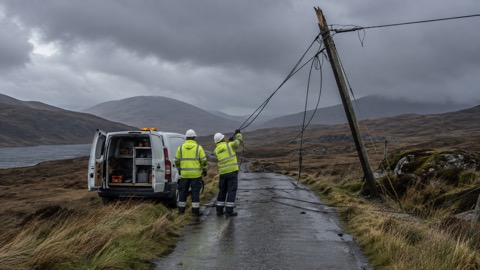
The electricity network operator SSEN said on 31 December that it was moving to its Weather Warning level of preparedness in the north of Scotland in anticipation of the snow, ice and high winds forecast for the coming days2. It said wind gusts of up to 65mph were forecast that evening across Orkney and Shetland, with stronger-than-normal gusts expected across Moray and Aberdeenshire the following day, and that its Weather Warning status was likely to remain in place through to Sunday2. SSEN said the combination of snow and strong wind had the potential to affect the local electricity network and could hamper access to any faults2.
| Warning or alert | Area | Period |
|---|---|---|
| Yellow warning, snow and ice | Northern parts of Scotland | 06:00 Thursday 1 January to 23:59 Friday 2 January1 |
| Amber cold health alert | North East and North West of England | Until 5 January1 |
| Yellow cold health alert | All other regions of England | Until 5 January1 |
Why it matters for households
Households in northern Scotland face travel disruption from frequent and heavy snow showers from Thursday morning, with the Met Office warning of significant accumulations by Friday morning and strong, possibly gale-force northerly winds1. SSEN has warned that snow combined with strong gusts could interrupt power supplies and delay access to faults, and has additional teams in strategic locations ready to respond to network damage2. The cold health alerts mean the health risks of low temperatures apply across England until 5 January, with the North East and North West under the higher amber level1.
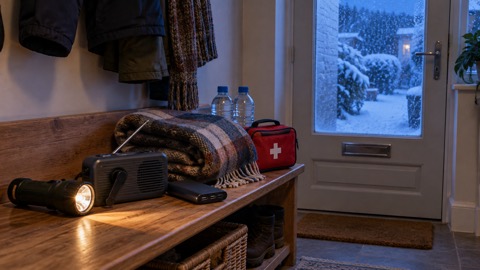
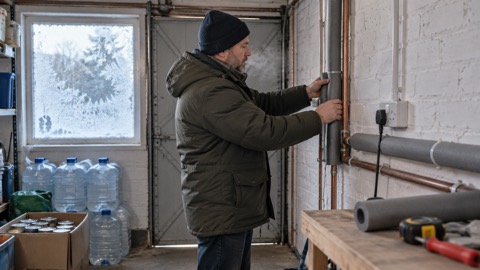
The Met Office's WeatherReady campaign offers practical advice to help people prepare their home, garden and daily routines for winter weather1. Transport Scotland's George Fiddes said particularly cold weather was likely to affect driving conditions in the areas covered by the yellow warning, and advised motorists to plan their journey, leave extra time if needed and drive to the conditions1. He said people planning to travel by rail, ferry or air should check with their operator before setting off, and that the Traffic Scotland website is updated regularly so people can check whether their route is available1. SSEN encouraged customers to save the emergency power cut number, 105, to report any loss of supply or damage to the electricity network, and to use its Power Track website for details of power cuts and restoration times2. It said customers who are deaf or hard of hearing, have a disability, live with children under five, are blind or partially sighted, have a chronic illness, use medical equipment reliant on electricity, or are over 60 are eligible for its free Priority Services2. SSEN also said anyone who sees damage to its equipment should stay back, not touch it, and report it by calling 1052.
The Met Office explains yellow, amber and red warnings in its guide to Met Office weather warnings, and households can read more on preparing for cold conditions in its guide to storms, snow and ice and on getting your home ready for cold weather and ice. People who want warnings as they are issued can follow the guide on signing up for Met Office weather alerts, and drivers can read advice on driving safely in strong winds.
What happens next
The Met Office said colder conditions and wintry hazards, including snow, ice and strong winds, would develop more widely as the UK entered the New Year, with more warnings for snow and ice likely1. SSEN said its Weather Warning status was likely to remain in place through to Sunday, and that it would continue to monitor forecasts and issue further updates as required2.
 Met Office Weather Warnings
 Snow and Ice Household Guide
 Winter Home Preparation