The National Water Safety Forum (NWSF) used World Drowning Prevention Day on 25 July 2023 to promote its #RespectTheWater campaign, encouraging people to learn a three-step rescue guide as the summer holidays began1. The forum, whose chair also leads drowning prevention for the National Fire Chiefs Council, urged anyone planning to spend time in, on or alongside water to avoid what it calls "double trouble" by resisting the instinct to enter the water to rescue someone1.
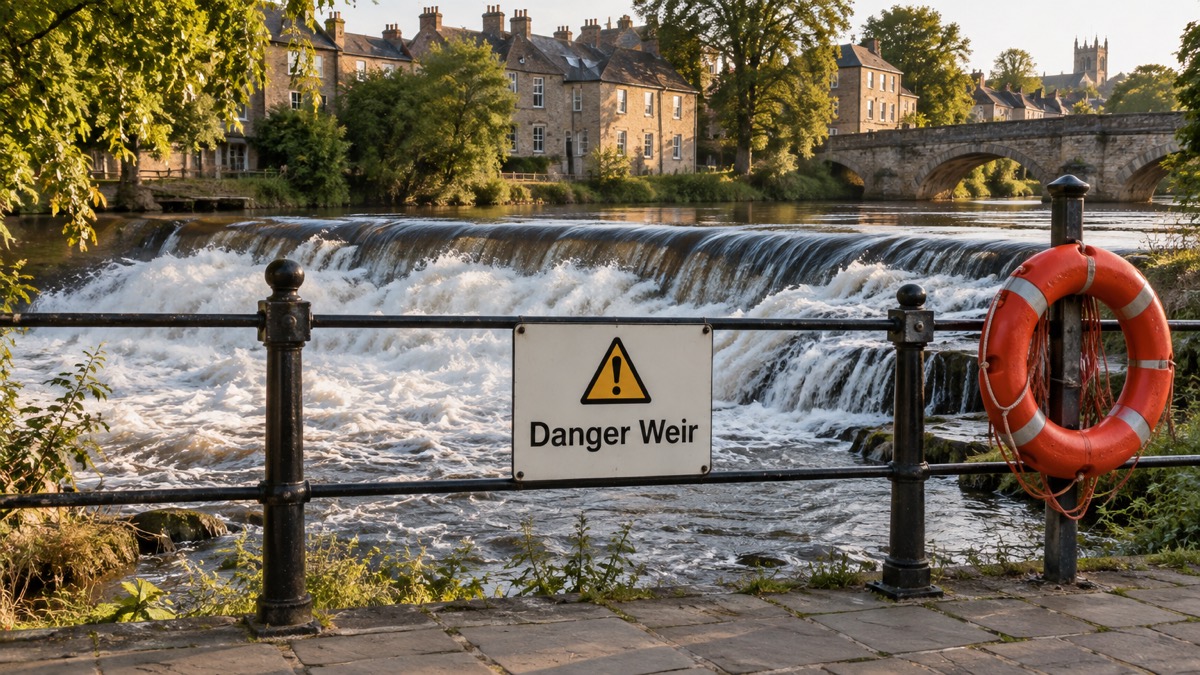
The guidance is set out in three steps: call 999, asking for Fire and Rescue if the incident is inland or the coastguard at the coast; tell the struggling person to float on their back; and throw them something that floats1. The NWSF says the best way to help is "by staying calm, staying on land, and remember the three-step rescue guide, Call, Tell, Throw"1.
The forum cited figures for the scale of the problem:
| Measure | Figure | Period |
|---|---|---|
| Drowning deaths globally (WHO estimate) | 235,000 a year | Latest estimates |
| Accidental drowning deaths in the UK | 226 | 2022 |
| Share of all water-related fatalities (597) | Around 38% | 2022 |
| Deaths occurring inland (rivers, canals, reservoirs, lakes) | Over 60% | 2022 |
| Accidental drownings in June, July and August | Just under half | 2022 |
Dawn Whittaker, NWSF Chair, chief executive of East Sussex Fire Rescue Service and Drowning Prevention Lead for the National Fire Chiefs Council, said:
"Although the weather isn’t great right now, we’re appealing to people to make safe choices when the sun comes out. If you see someone struggling in the water: Call 999; Tell them to float on their back; Throw them something which floats. Anyone can drown, no one should."
The campaign also supports the World Health Organization's call for people and organisations to "do" one thing, "improve" one thing or "add" one thing to water safety on the day. Buildings and monuments were due to turn blue to mark the occasion, and advocates planned to wear blue zinc sun cream to prompt conversations about water safety, the NWSF said1.
Why it matters for households
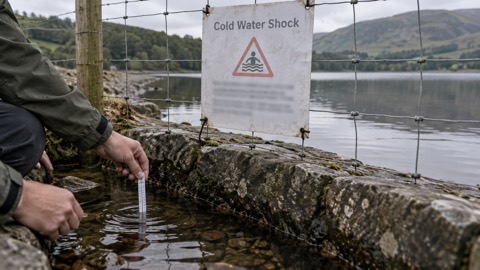
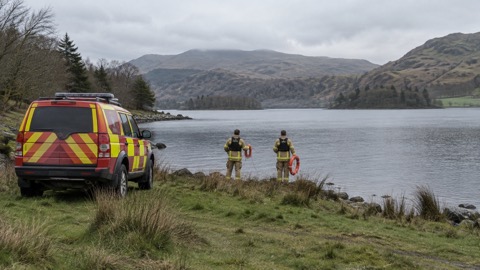
The NWSF's figures place most accidental drownings inland rather than at the coast, and concentrate just under half of them in the June to August holiday period1. That means rivers, canals, reservoirs and lakes close to home are the settings where households are most likely to encounter someone in difficulty. The forum's advice for that situation is to stay on land and follow Call, Tell, Throw rather than entering the water, because would-be rescuers who go in can become additional casualties1. Its guidance on calling 999 distinguishes inland waters, where Fire and Rescue should be requested, from the coast, where the coastguard should be asked for1. The practical points for anyone helping someone in cold water, including the risk of cold water shock to the rescuer, are covered in the site's guide to cold water shock, and general help is indexed in the first-aid hub.
What happens next
No further dates were given. The NWSF directed people to the National Water Safety Forum website and to the #RespectTheWater campaign resources page for more information1.
 Cold Water Shock