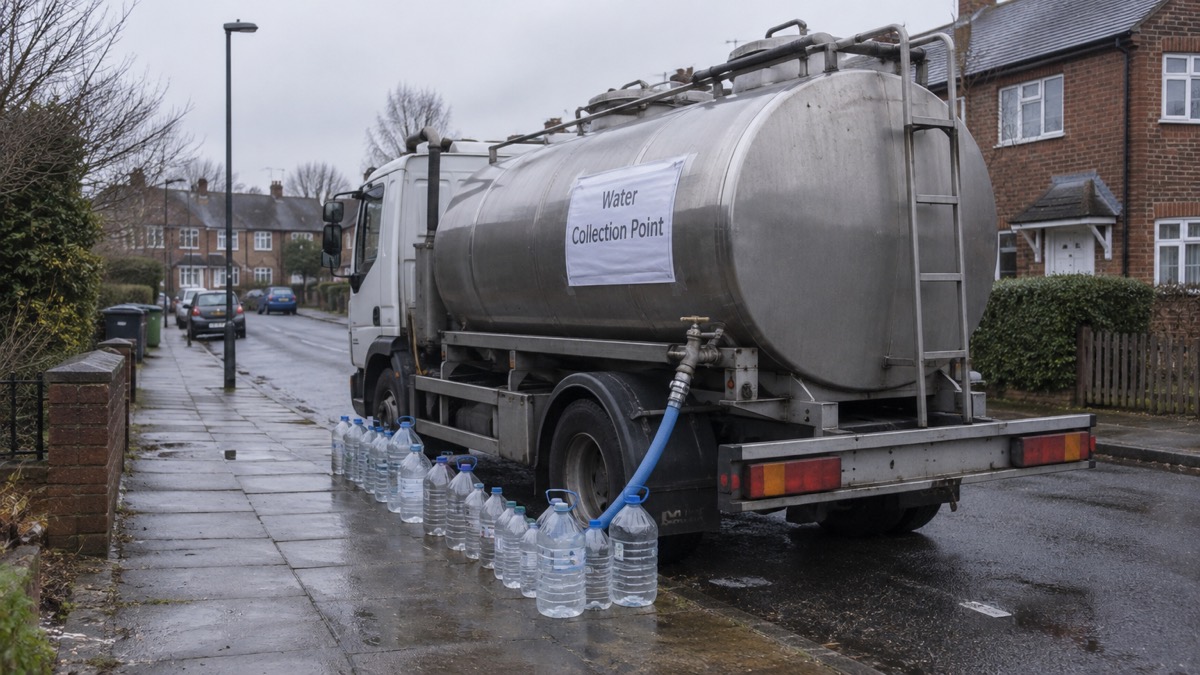
A supply interruption affecting potentially 69,000 properties began on 6 January 2026, according to research commissioned by the Consumer Council for Water (CCW) and Ofwat into South East Water's response to two outage incidents1. The January incident involved no water, low pressure, intermittent supply and concerns about water quality, although the water was safe to use1. Unlike the earlier November and December 2025 incident, no formal boil water notice was issued1.
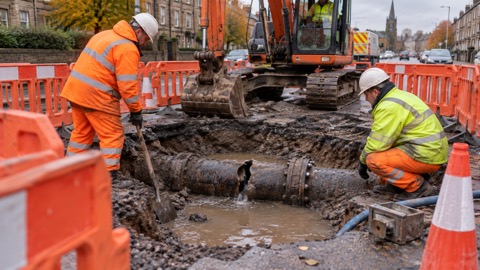
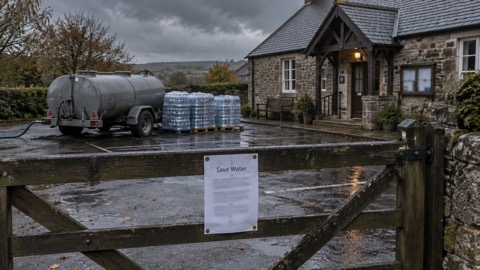
The report says the January interruption was caused by "a combination of weather-related and network resilience issues, reduced capacity to treat water at the normal rate, alongside freeze-thaw conditions causing multiple burst mains across Kent and Sussex"1. Areas listed as potentially affected include East Grinstead, Forest Row, Ashurst Wood, parts of Tunbridge Wells, Canterbury and Blean, and Staplehurst1. During the incident South East Water used tankers to inject water into storage tanks, leak and burst repair teams worked around the clock across Kent and Sussex, and a bottled water station was in place at Bidborough Village Hall1.
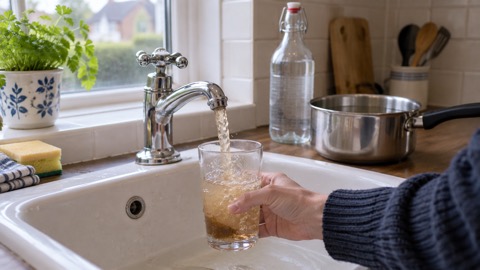
The earlier incident affected around 24,000 households and businesses in Tunbridge Wells and surrounding areas, after a water quality failure at the Pembury Water Treatment Works1. A formal precautionary boil water notice was issued from 3 December 2025 and lifted on 12 December 2025; water in the network was suitable for washing and flushing toilets but had to be boiled and cooled before drinking or cooking1.
The research found low satisfaction with the company's handling of both incidents. Less than 10% of customers were satisfied with how South East Water handled the incidents, and less than 10% were satisfied with the reliability of communications about the timescale to restore services1. The proportion who did not feel it was clear what they needed to do to access water that was safe to drink rose from 26% in November and December 2025 to 41% in January 20261. Around half of customers on the Priority Services Register did not receive the support they expected, with bottled water delivery issues persisting across both incidents1. One customer quoted in the report said: "I received one water delivery (12 x 2ltr bottles of water) during the 14-day outage."1
| Measure | Nov/Dec 2025 | January 2026 |
|---|---|---|
| Customers reporting a high impact | 75% | 67% |
| High impact on stress | 59% | 48% |
| High impact on wellbeing | 60% | 47% |
| No water supply for a full day or more | 90% | 83% |
Source: Impact Research report for CCW and Ofwat1
Why it matters for households
Because no boil water notice was issued, the report records that the water was safe to use, in contrast with the December incident when around 24,000 customers had to boil and cool water before drinking or cooking1. The research records that around half of respondents said they now store bottled water at home1. It also records that around half of Priority Services Register customers did not receive the support they expected, and that bottled water delivery issues persisted across both incidents1. Households can check what to hold in advance using the supply interruption checklist, and the guide on how long restoration may take sets out what is known about timescales; the water hub covers wider supply topics.
What happens next
Ofwat began investigating whether South East Water had complied with its customer-focused licence obligations1. CCW held an accountability session with South East Water executives, where customers outlined their concerns and agreed an action plan with the company for future events, focusing on communication, support and resilience1. The report was published in June 20261.
Sources (1)
- PowerPoint Presentation, ccw.org.uk
 Supply Interruption Checklist
 When Supply Is Restored