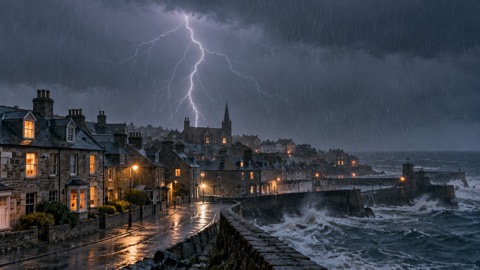
Storm Darragh began on 6 December with recorded windspeeds peaking at 93mph, and 181,059 customers were impacted across the SP Manweb (SPM) area, according to written evidence from SP Energy Networks (SPEN) to the Senedd's Climate Change, Environment and Infrastructure Committee1. SPEN owns and operates the electricity distribution networks in Merseyside and North Wales, which serve one and a half million customers1.
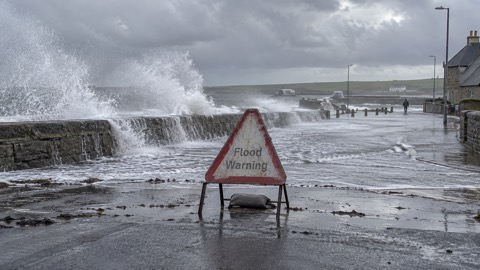
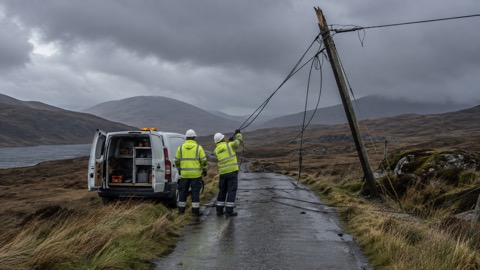
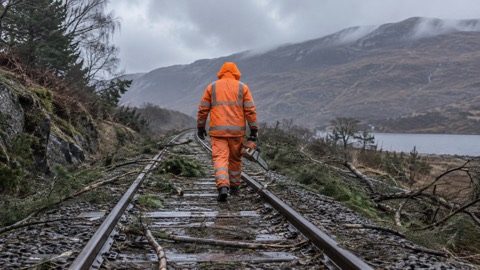
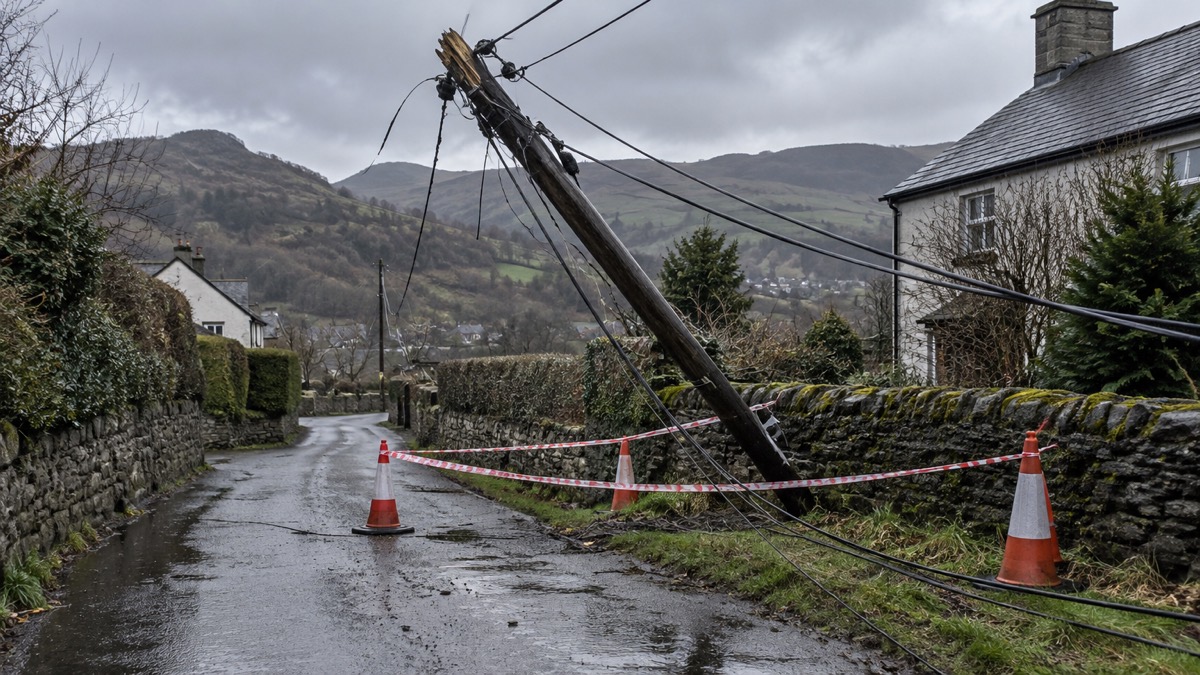
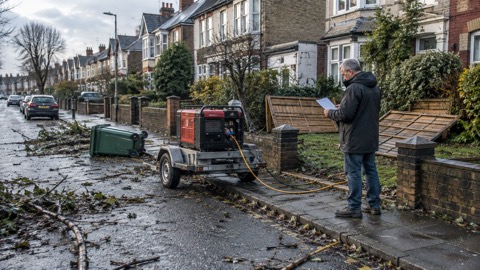
The majority of those affected were in Wales, with the worst hit areas being Mid Wales, North Wales and Dee Valley1. SPEN says 89% were restored in the 24 hours and 95% in 48 hours1. Falling trees and branches caused 85% to 90% of damage during Storm Darragh, predominantly softwood trees and forestry plantations1. Flooding of highways, fallen trees and parts of the network submerged in flooded fields affected access to several areas and sites1. SPEN used more material repairing the damage from Storm Darragh than in the last five large storms combined, including Storm Arwen1.
The Customer Service team informed SPM of Met Office weather warnings from a Yellow Warning on Wednesday 4 December through to a Red Warning on Friday 6 December1. On the 5 December 09:00 Daily Operational Update call, the decision was made to go to strategic Level 3 at 12:001. SPEN deployed resources from SP Distribution in Scotland, support from other distribution network operators including SSE, and additional support from Ireland, with 894 in total out assisting restoration1. Dyfed and Powys Tactical Co-ordination Group escalated to Strategic Coordination Group on 7 December at approximately 10:00hrs due to declaration of Major Incident, triggered by a 132kv fault resulting in widespread loss of supply to key services1.
In advance of the storm, SPEN contacted 68,000 customers and sent 200,000 SMS and voice messages to customers in the most impacted areas1. It took a total of about 77,000 calls, about 65,000 of which were for SPM, prioritising vulnerable customers on the Priority Services Register (PSR)1. Rest centres were opened with Local Resilience Forums to provide a warm space and access to showers, hot water, food and drinks1.
"On Friday 13th December, SPEN began processing compensation payments for customers."
SPEN says it pays compensation proactively, so customers do not need to claim or contact it to receive compensation they are eligible for1. In total, 9,500 customers were eligible for compensation, and to date 8,000 have been paid, with the remaining 1,500 being unmanned sites or requiring additional information from customers1.
| Measure | Figure |
|---|---|
| Peak recorded windspeed | 93mph |
| Customers impacted across SPM area | 181,059 |
| Restored within 24 hours | 89% |
| Restored within 48 hours | 95% |
| Share of damage from falling trees and branches | 85% to 90% |
| Customers eligible for compensation | 9,500 |
| Customers paid to date | 8,000 |
Why it matters for households
The figures cover households across Merseyside and North Wales, with Mid Wales, North Wales and Dee Valley worst hit1. SPEN's evidence sets out who can join the Priority Services Register: customers over the age of 60, those with a special communication need, those who depend on electricity for home or medical care, those with a child under 5, those with chronic illness, or anyone who feels they need a little extra help1. Customers can also join for a short period, for example if they are recovering from an operation, pregnant, or recently bereaved1. SPEN says it has reached 96% of eligible customers against census data, and that across SPEN there are 1.3m households on its register1. It carries out an annual leaflet drop to promote the PSR, the last in September 20241. When customers registered for the PSR call, they are prioritised in the queue through a matching process1. SPEN also made outbound calls to medically dependent customers to check on their welfare, and escalated a small number of cases to the Red Cross and Local Resilience Forum partners1. The Priority Services Register guide explains who can join and what it provides, and the storms and the electricity network guide sets out what happens during storm-related outages.
What happens next
SPEN's evidence says the remaining 1,500 eligible compensation cases are unmanned sites or require additional information from customers, which it is in the process of collecting1. The document also lists areas for improvement following Storm Darragh, noting that field communication was challenging as many areas with 4G (the text of the evidence ends there)1. The committee's call for evidence covered both Storm Bert and Storm Darragh; SPEN records that Storm Bert started to impact the licence area around 8am on Saturday 22 November, that a Major Incident was called in Northwich, Mid Cheshire, due to flood defences being deployed, and that Storm Bert did not result in any major impact for SPM1. Further impacts and lessons are set out in the Storm Darragh 2024 guide.
Sources (1)
- business.senedd.wales, business.senedd.wales
 Storms and the Electricity Grid
 Storm Darragh 2024