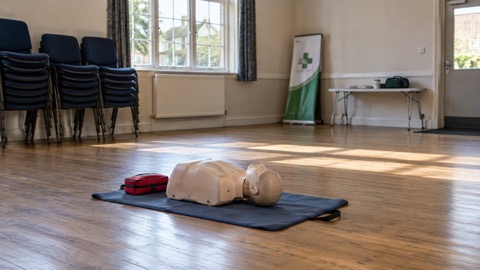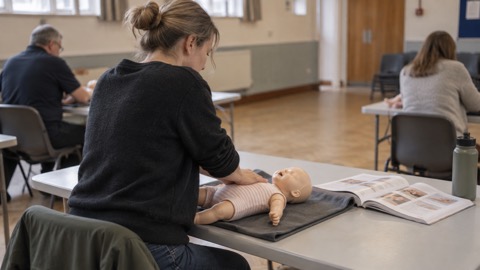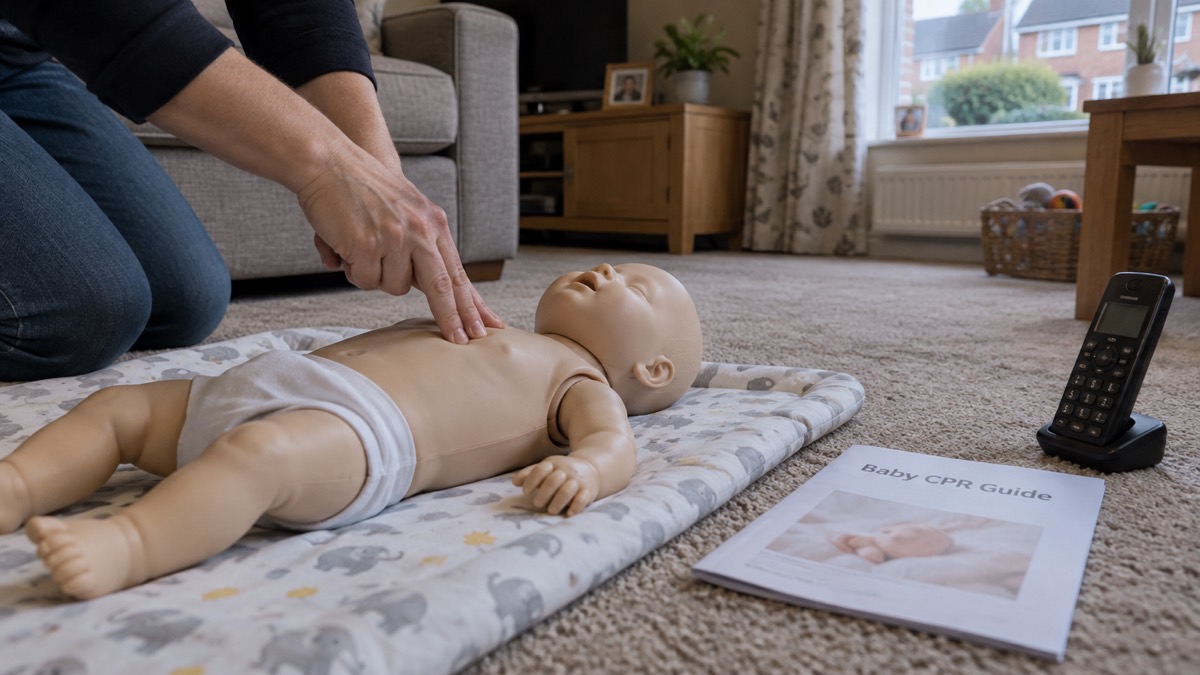
Resuscitation Council UK (RCUK) has produced a free baby and child CPR book called Aaron's Heart to help parents and caregivers learn the basics of CPR for babies and children, the charity announced on 12 July 20231.
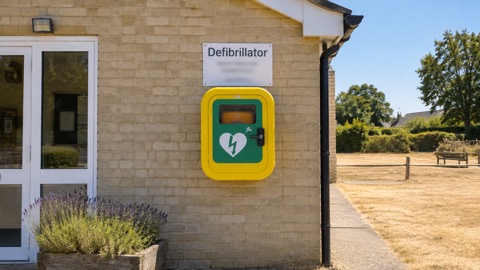
The launch follows a survey of 1,000 UK parents and caregivers of children aged 0 to 6, carried out online by OnePoll throughout 20.06.2023 to 27.06.20231. According to RCUK, just 15 per cent feel they would know if their child was in cardiac arrest, and 89 per cent would welcome more help and information on baby and child CPR1. The charity also reported confusion over how often a defibrillator is needed for children, with responses ranging from 23 per cent saying often to 9 per cent saying always, while only 4 per cent said never; RCUK states that using a defibrillator for children is rarely needed1.
Other findings reported by the charity include that two-thirds rely heavily on books in the first few months of parenthood, 46 per cent do not know of any resources giving information on what to do if their child was choking on a small object, and 62 per cent worried most about knowing what to do if their child was in a life-threatening emergency and unresponsive1. Just 27 per cent are confident in recognising when they would need to get medical advice if their child is sick, and only 34 per cent of parents have warned their child about the dangers of drowning1.
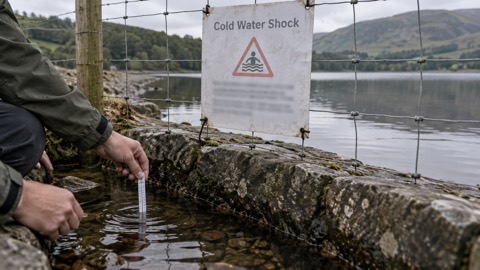
James Cant, chief executive of RCUK, said cardiac arrest in babies and children is not common but can happen, for example through drowning or swallowing a small item such as a button battery1. The charity states that cardiac arrest in children will usually be as a result of a severe medical illness, such as sepsis or asthma, and less often as a result of injury, trauma or an accident, for example ingesting a button battery leading to choking, or drowning and burns1.
"We've made this book free, so that as many parents and caregivers as possible have the confidence to know what to do in an emergency."
RCUK says the book not only teaches how to react in the first few critical moments of cardiac arrest in a baby or child, but also deals with information to reduce the risks of accidents, injuries and trauma in children1. According to James Cant, it also covers what to do if you suspect a child is seriously unwell and the signs of cardiac arrest in children1. The book is available free on request through the RCUK website1. RCUK has not reported a print run, a publication date beyond the announcement, or any retail availability.
Why it matters for households
The book is aimed at parents, caregivers and, in RCUK's words, anyone who interacts with children1. The survey findings suggest that recognition of cardiac arrest in a baby or child, and confidence in knowing when to seek medical advice for a sick child, are limited among the parents and caregivers questioned1. RCUK's stated aim is that as many parents and caregivers as possible have the confidence to know what to do in an emergency1. The charity's own description places the book alongside its wider work developing guidelines, influencing policy, delivering courses and supporting research1. Households looking for general first aid information can use the site's first-aid hub, and there is a separate guide to febrile seizures in babies and children.
What happens next
No further dates have been announced. RCUK directs those wanting a copy to request one through its website, and its press office can be contacted on 0207 388 46781.