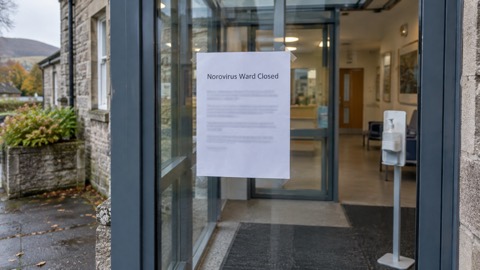
An average of 1,160 patients a day were in hospital in England with norovirus last week, a record high, NHS England said on 20 February 2025. The figure is a 22% rise on the previous week (948) and more than double the same period last year (509)1.
NHS England said the number of beds taken up by patients with the virus reached a record high last week. Pressure on hospital capacity remained high, with 95.4% of adult beds occupied and a total of 97,152 patients in hospital each day. Almost one in seven beds (13,767) were taken up by patients who did not need to be there, which NHS England linked to delays in discharging patients to settings such as social or community care1.
Other winter viruses were also reported in the same weekly data:
| Measure | Last week | Comparison |
|---|---|---|
| Norovirus patients a day | 1,160 | Up 22% on 948 the week before; more than double 509 a year earlier |
| Flu patients in beds | 1,755, including 87 in critical care | Down 14% on 2,039 the week before |
| Children in hospital with RSV a day | 22 | Up 83% from 12 the week before; 144% higher than nine a year earlier |
| Patients with Covid | 984 | Up 3% from 952 the week before |
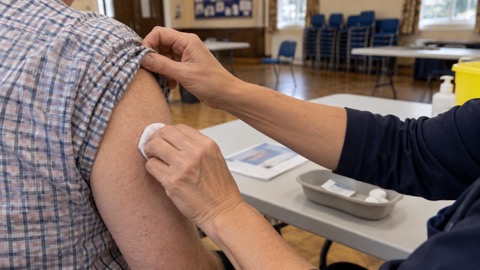
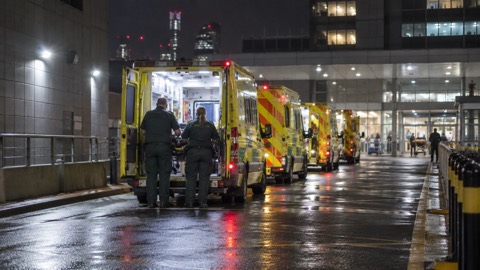
There were 94,356 ambulance handovers, and time lost to ambulance handover delays was down a fifth on the same period last year (18,688 hours against 23,494). NHS staff had delivered more than 29 million Covid, flu and RSV vaccinations since the start of the rollout in September1.
Professor Sir Stephen Powis, National Medical Director of NHS England, said:
"It is concerning to see the number of patients with norovirus hit an all-time high and there is no let up for hospital staff who are working tirelessly to treat more than a thousand patients each day with the horrible bug, on top of other winter viruses."
Amy Douglas, Lead Epidemiologist at the UK Health Security Agency, said norovirus cases were still exceptionally high and continuing to rise, though the agency was hopeful that the school half term would provide a break. She said norovirus remains high in settings such as hospitals and care homes and can be more severe in older adults, younger children and those who are immunocompromised1.
Why it matters for households
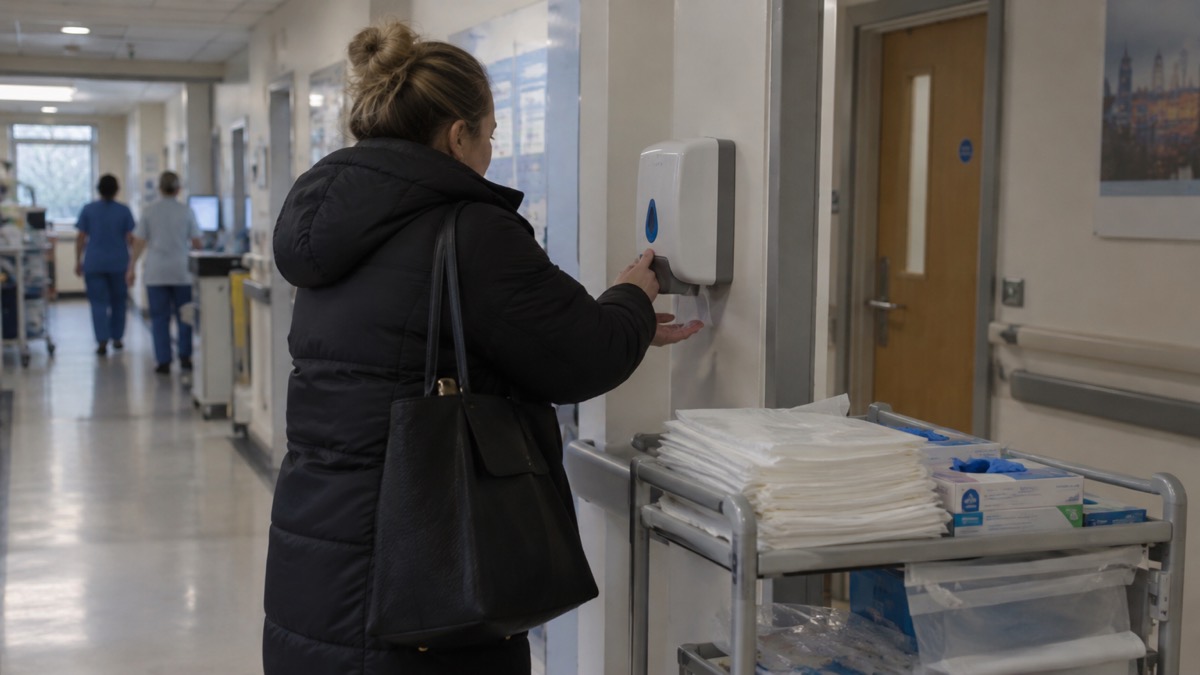
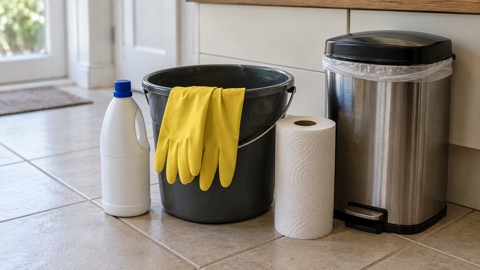
The UKHSA advises people not to visit hospitals and care homes, or return to work, school or nursery, until 48 hours after symptoms have stopped, and not to prepare food for others during that time because the virus can still be passed on. It says alcohol gels do not kill norovirus, and advises washing hands with soapy warm water and cleaning surfaces with bleach-based products where possible1. NHS England advises washing hands frequently with soap and water and avoiding mixing with other people until symptoms have not been present for two days1. The norovirus guide sets out symptoms, how long the illness lasts and how spreading is stopped, and the health emergencies hub covers wider health incidents.
NHS England asked the public to continue using 999 and A&E for life-threatening emergencies and to use NHS 111, including 111 online, for advice and support for other conditions1.
What happens next
NHS England publishes weekly winter situation reports, with the latest data available on its website1. UKHSA said it was hopeful that the school half term would provide a break in norovirus cases; no further figures have been reported1.
 Norovirus Symptoms and Spreading