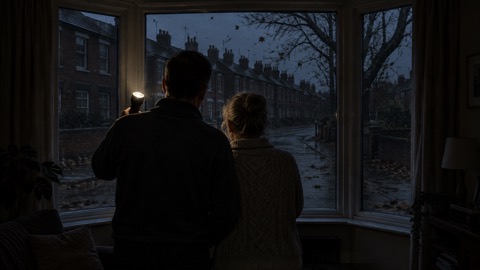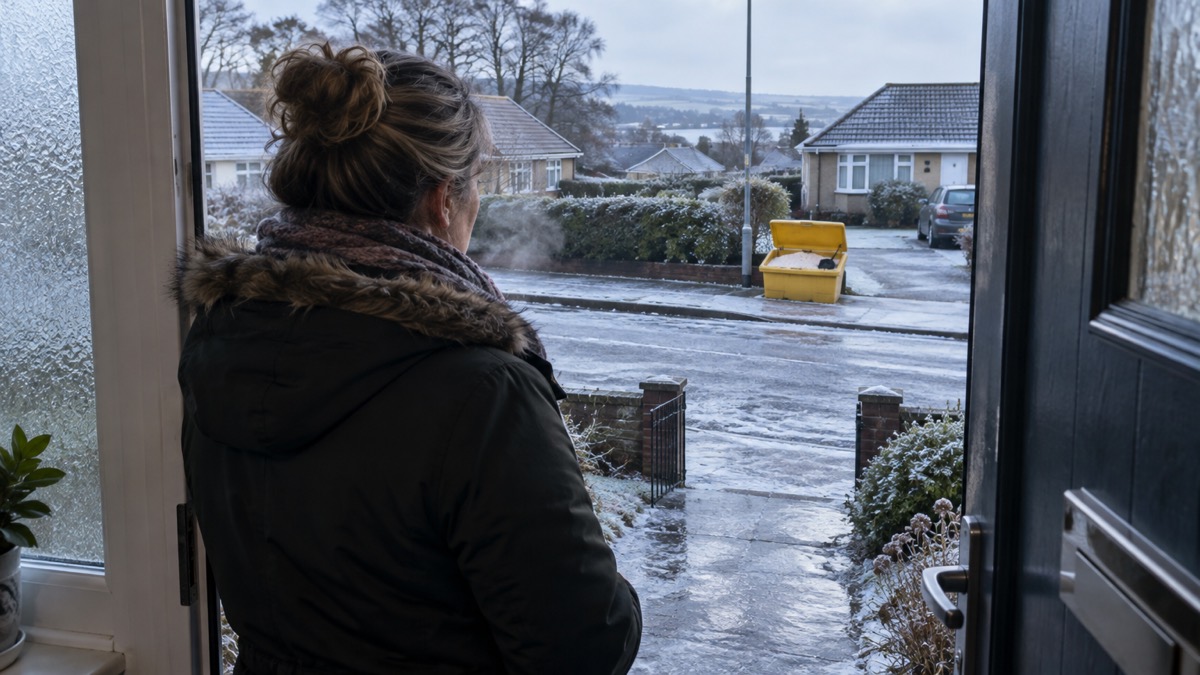
The Public Health Agency (PHA) in Northern Ireland issued public health advice on 18 November 2024 for people to look after themselves and others following a yellow warning for snow and ice that week1. The advice covers heating the home, avoiding carbon monoxide risks, checking on older and less mobile neighbours, and winter vaccination1.
Dr Anna Cullen, Public Health Doctor at the PHA, said vulnerable and older people can find it difficult to get out to the shops or to keep their house adequately heated, putting them at risk1. The PHA's guidance on the home includes heating the main living room to around 18-21ºC (64-70ºF) and the rest of the house to at least 16ºC (61ºF), heating all the rooms used in the day, and, where not all rooms can be heated, keeping the living room warm throughout the day1. It also advises wearing multiple layers of clothing and a hat and gloves, even indoors if it is cold, wearing bed socks and thermal underwear at night, and having hot meals and drinks regularly through the day1.
On heating safety, the PHA says it is important to make sure heating is safe and the house is properly ventilated to reduce the risk of carbon monoxide poisoning, and to install an audible carbon monoxide alarm1. It notes that these alarms have a limited life span and that an older one should be checked to see if it is working properly1. The PHA also warns never to use an electric blanket and hot water bottle together because of the risk of electrocution1.
On falls and helping others, the PHA said that every year in Northern Ireland 1 in 3 over-65s and around half of over 85s will fall at least once1. It urged carers or neighbours of people who may be less mobile to offer a hand ahead of the cold snap, which could mean picking up essentials such as food, gas or electricity top-ups, or repeat prescriptions before the weather gets worse1. The PHA advises anyone worried about a relative or an older neighbour to contact their local council, and points to help and support from the charity Age NI1.
"Every winter in Northern Ireland people die or are hospitalised from respiratory illnesses such as seasonal flu, COVID-19 and RSV."
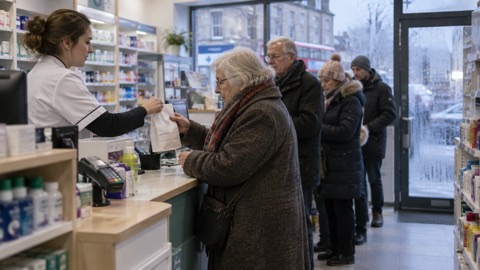
The PHA said that if you are in an eligible group, you can get vaccinated via your GP practice, a participating community pharmacy or HSC Trust vaccination clinic1. On travel, it said anyone considering a journey during bad weather should consult the Met Office for travel conditions1.
Why it matters for households
The advice applies to households in Northern Ireland during the yellow snow and ice warning and the cold spell that week1. The PHA identifies older and vulnerable people as most at risk, because they can find it difficult to get out to the shops or to keep their house adequately heated1. The practical points it raises are indoor temperatures, safe and ventilated heating, working carbon monoxide alarms, and the risk of falls on ice, which the PHA links to extended time in hospital and a long-term impact on independence for older people1. It also advises that eligible groups can be vaccinated against seasonal flu, COVID-19 and RSV1.
What happens next
No further dated steps have been reported. The PHA directs readers to its winter vaccination information, to the nidirect Be Ready for Emergencies and snow and ice pages, and to the Met Office for travel conditions1. Households preparing for cold weather can read our guides on staying well in cold weather, getting your home ready for cold weather and ice and storms, snow and ice.
Sources (1)
- Public health advice during cold spell | HSC Public Health Agency, publichealth.hscni.net
 Staying Well in Cold Weather
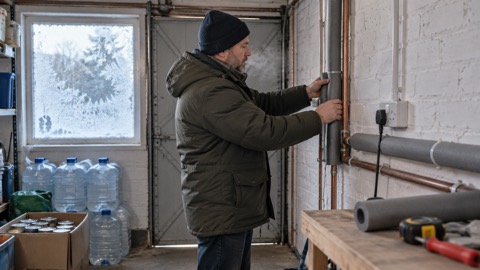 Winter Home Preparation
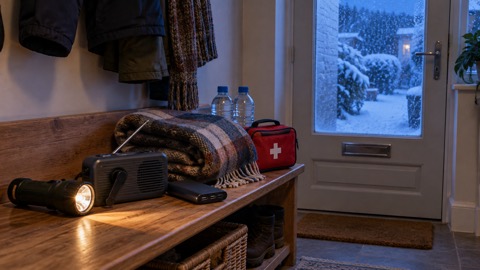 Snow and Ice Household Guide