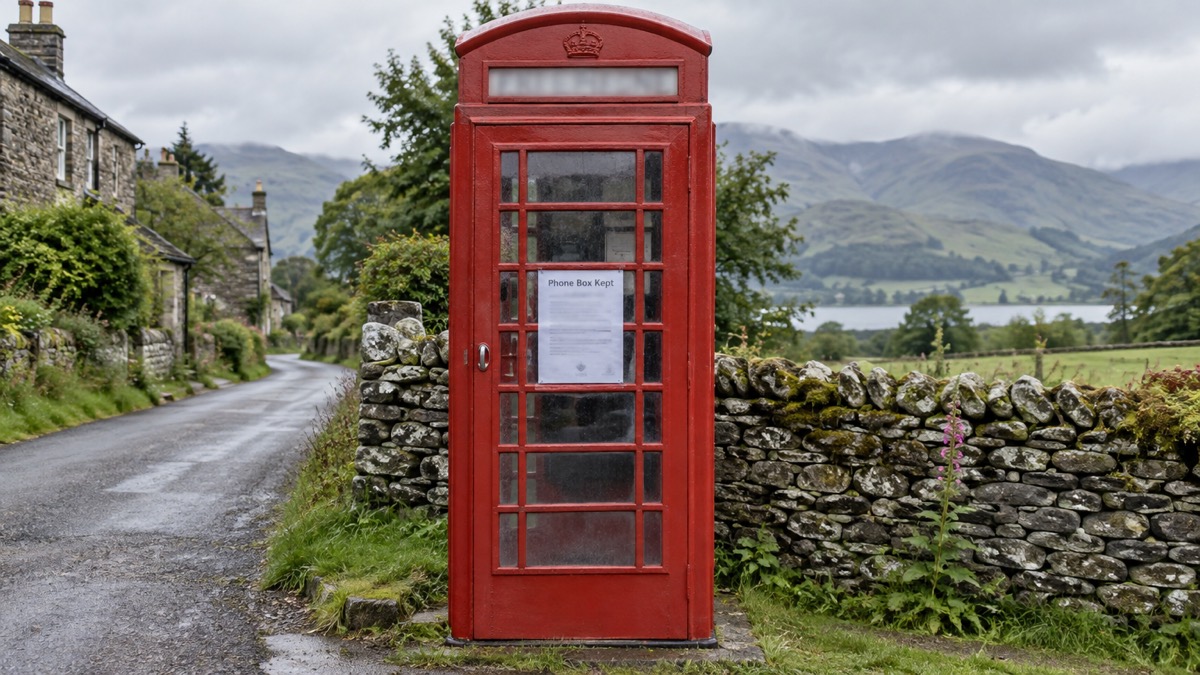
Ofcom's stronger protections for public call boxes came into force on 8 June 2022, the regulator announced. Under the new rules, phone boxes are safeguarded against removal where they are still needed by a local community1.
Ofcom said phone boxes will now be protected where they are in a place without coverage from all four mobile network providers; where they are located in an area with a high frequency of accidents or suicides; or where 52 or more calls have been made from them over the past 12 months. There is also a category for other evidence that a phone box is reasonably needed at a site, which Ofcom said could include calls to helpline numbers, or situations where a box has been relied upon during a local emergency such as flooding1.
The regulator previously estimated that around 5,000 phone boxes would be covered by these protections. It said more recent mobile coverage data indicates that at least 1,400 boxes still do not have good mobile coverage, and that given the ongoing decline in call volumes and improvements to mobile coverage, some of the 5,000 may no longer require protection1. BT, and KCOM as the operator in Hull, must still consult with local authorities on the removal of boxes that are the last remaining in an area1.
Ofcom reported that calls from phone boxes have fallen from around 800 million minutes in 2002 to 4 million in 2021/22. Almost 150,000 calls were made to emergency services from phone boxes in the year to May 2020, with some 25,000 calls to Childline and 20,000 to Samaritans1. It said 96% of UK adults now own a mobile phone1.
"Our new rules will ensure that many thousands of phone boxes will be protected for as long as they are needed, as well as supporting the rollout of new street hubs, with free Wi-Fi and charging for people on the go."
The protections were updated to reflect changes in how people make calls. Ofcom said the move to digital phone lines will require investment to upgrade phone boxes, including the installation of batteries, so they can still be used during a power cut. It is also providing greater flexibility for the removal of boxes that are no longer needed, as BT rolls out a new generation of street hubs offering services such as free Wi-Fi and free charging1.
Why it matters for households
The rules affect households in places where mobile coverage is poor, or where a phone box serves a site with a high frequency of accidents or suicides, or where a box is well used. In those areas a public phone remains available as a fallback, including for calls to the emergency services and to helplines. Ofcom's figures show that phone boxes carried almost 150,000 emergency calls in the year to May 20201.
The protections apply from 8 June 2022. Ofcom said the rules replace the previous removal process, which risked removal in locations where payphones were still required1. Where a box is the last remaining in an area, BT and KCOM must still consult the local authority before removal1.
Ofcom also noted that local authorities wanting to retain a red kiosk can use BT's "Adopt a Kiosk" scheme, under which local bodies can purchase a red kiosk for £1 and use it for something else. More than 6,000 kiosks have been converted to uses such as community libraries or to house public defibrillators1.
What happens next
Ofcom said mobile coverage will continue to develop over the next few years as a result of the Shared Rural Network, a joint initiative between government and industry to increase 4G coverage across the UK1. It said the move to digital phone lines will require investment to upgrade phone boxes, including fitting batteries so they can still be used during a power cut1. No further dates for these changes were given in the announcement.
For households checking how to reach help when mobile signal fails, the guide on how to call 999 when your mobile network is down and the guide to getting emergency warnings without a mobile phone set out the options. The staying informed hub covers wider arrangements, and mobile networks in a power cut explains how masts and backup batteries affect signal.