Northern Ireland Fire & Rescue Service (NIFRS) issued a home fire safety appeal on 27 January 2023, following a rise in accidental house fire deaths and incidents during the winter period. The service said eight people had died in house fires since November 2022, and that incidents had increased by 14%1.
The appeal was made against the backdrop of the increased cost of living. NIFRS said it knew many people would be trying to save money when heating their homes, and that it wanted to ensure people did not put themselves at additional fire risk as a result1. The service also reported a 15% increase in chimney fires in December compared with the previous December1.
Aidan Jennings, Assistant Chief Fire & Rescue Officer at NIFRS, said:
"The winter months are always much busier for us and this year with the increased cost of living, we know many people will be trying to save money when heating their homes. We want to ensure people don't put themselves at additional fire risk as a result."
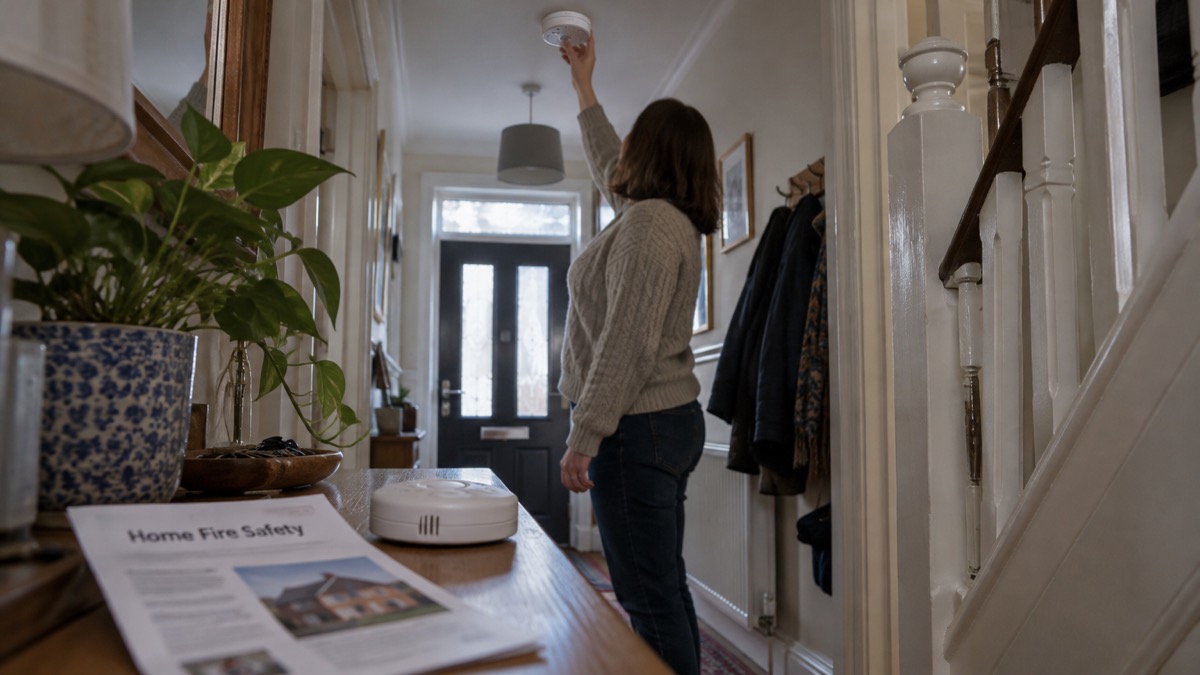
NIFRS said the most common causes of accidental fires in the home are cooking, electrics and smoking materials, with winter adding risks from open fires, stoves, portable heaters, electric blankets and candles1. Its guidance, set out under the STOP Fire message, is as follows1:
| Step | NIFRS guidance |
|---|---|
| Smoke alarms | Make sure you have working smoke alarms in your home |
| Test alarms weekly | Test your smoke alarms at least once a week |
| Obvious dangers | Be aware of items in your home that might cause a fire and use them safely |
| Plan your escape | Have an escape plan in place if a fire does occur |
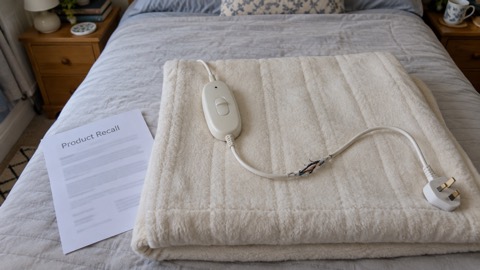
On heating, NIFRS advised that portable heaters and electric blankets should be in good working order, and that enough space should be left around portable heaters so they do not set fire to soft furnishings such as curtains, blankets or armchairs1. For open fires and fuel burning stoves, it advised having a Carbon Monoxide alarm in the same room, having a chimney serviced by a suitably trained person before use if it has not been used for a while, and using a fire guard1. It said that without working alarms, the ability to notice a fire and escape quickly is affected, especially at night1.
Why it matters for households
The appeal covers households across Northern Ireland during the continuing high risk winter period1. NIFRS asked the public to check in on elderly relatives or neighbours to ensure they have working smoke alarms and are aware of items in the home that can cause a fire and how to use them safely, saying this is especially important for people who live alone1. It encouraged anyone over 50, or anyone with impaired mobility or a disability, to contact the service to arrange a free Home Fire Safety Check, and asked people to get in touch if they have concerns about someone they know1. The service said fire prevention is at the heart of its work and that it is there to support the public1.
What happens next
No further dates or steps have been reported. NIFRS said its thoughts and sympathies remain with the family and friends of those who have lost loved ones in accidental house fires1.
Households in Northern Ireland can read more on alarm rules and the fire service in the guide to Wales and Northern Ireland: Alarm Rules and Fire Services, and on wider household planning in the home emergencies hub.