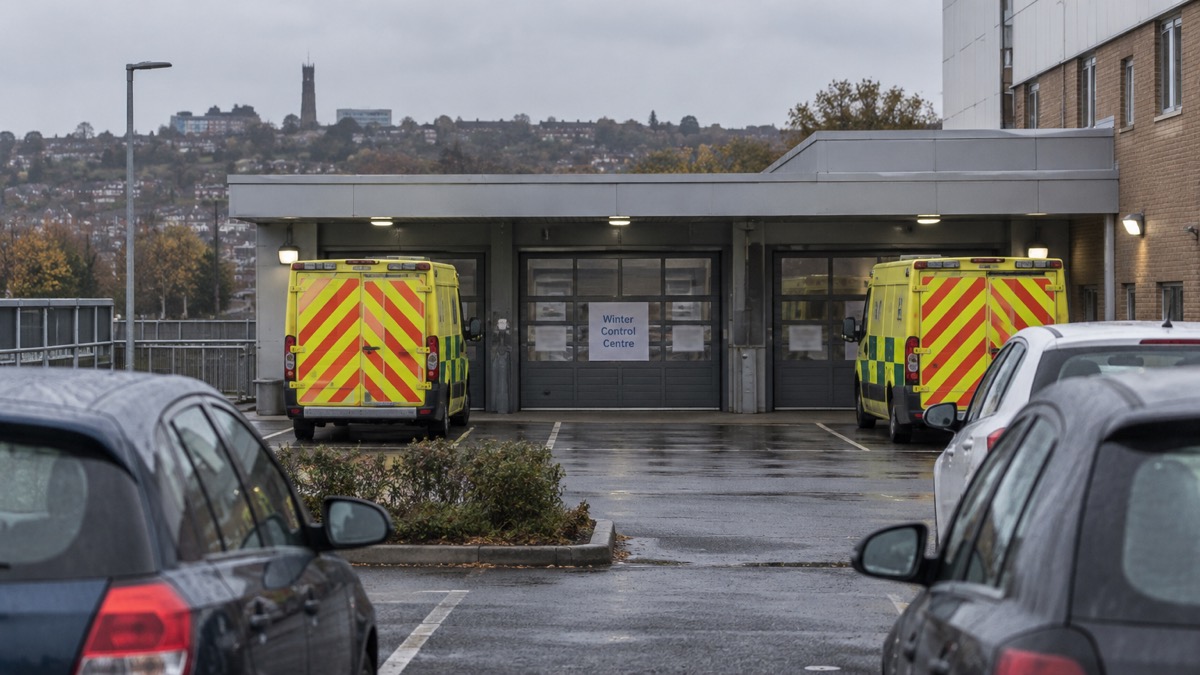
NHS England set out new plans to prepare the NHS in England for winter on 18 October 2022, including 24/7 system control centres expected to be created in every local area, new hubs dedicated to serious respiratory infections, and an expansion of falls response services across the country1.
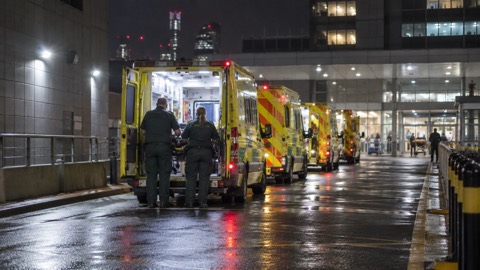
The control centres, described by NHS England as data-driven war rooms led by teams of clinicians and experts, will manage demand and capacity across the entire country by constantly tracking beds and attendances, taking stock of all activity and performance for the first time1. NHS England said they will enable rapid decisions on emerging challenges, including where hospitals can benefit from mutual aid or to divert ambulances to another nearby hospital with more capacity1. Respiratory infections, including covid, flu, pneumonia and acute bronchitis, are expected to be one of the most significant winter pressures, with modelling suggesting they could occupy up to half of all NHS beds this winter1.
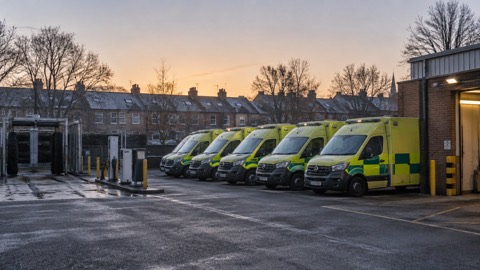
The expanded falls response services will see local teams sent to help people who have fallen in their home or in care homes, rather than unnecessary trips to hospital1. NHS England said the expansion could see around 55,000 ambulance trips freed up to treat other patients each year, with a quarter of all category three and four ambulance callouts in January this year relating to falls1. Extra remote support will also be provided to care providers to deal with falls and incidents in care homes themselves, as around two in five hospital admissions from care homes are currently fall-related1. In a letter to every local health service in the country, NHS chiefs also said they will roll out 24/7 access to professional mental health advice in ambulance services over winter1.
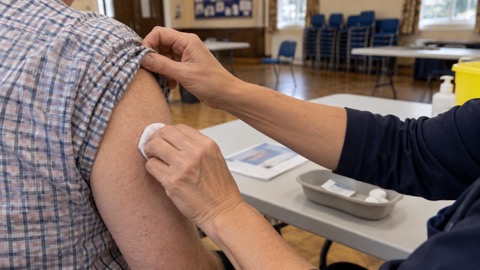
On capacity, NHS England said the NHS has made good progress towards creating the equivalent of 7,000 beds by March, with an extra 1,200 beds created during September alone1. Over eight million eligible people received their autumn booster dose in just over six weeks, and the national booking service is now open to everyone who is eligible, including anyone aged 50 and over1.
"Winter comes hot on the heels of an extremely busy summer, and with the combined impact of flu, covid and record NHS staff vacancies, in many ways, we are facing more than the threat of a 'twindemic' this year."
NHS England cited local schemes as examples. The London Ambulance Service piloted a scheme where three cars operated by the local urgent community response team were allocated to suitable category 3 and 4 incidents direct from the 999 control room, with an estimated 50 to 60% of incidents responded to being falls-related1. In Mid and South Essex integrated care system, Raizer II chairs were distributed across care homes, secondary care and urgent care response teams alongside an interactive post falls assessment tool, which helped staff identify when it is safe to lift a resident from the floor without calling an ambulance and saw 92 callouts avoided1. In January, Sandwell Paediatric Respiratory Hub provided face-to-face assessment with onward referrals for children with potential infectious illnesses such as RSV, Covid and bronchiolitis1.
Why it matters for households
The plans concern households in England who call 999 or NHS 111 for a fall at home, and people admitted to hospital or care homes with respiratory infections this winter1. Under the expanded falls response, local teams may be sent to help someone who has fallen at home or in a care home instead of an ambulance trip to hospital1. NHS England said respiratory infection hubs will give patients same day access to care out of hospital while creating additional capacity for hospitals and ambulance services1. The autumn booster programme remains part of the NHS's stated defence this winter, and the national booking service is open to everyone eligible, including anyone aged 50 and over1. The UK Health Security Agency publishes outbreak advice and local team information through its health emergencies hub and its page on alerts, outbreak advice and local teams.
What happens next
NHS England said the 24/7 system control centres are expected to be created in every local area, and local areas will also develop the new respiratory infection hubs1. The NHS is working towards creating the equivalent of 7,000 beds by March1. The letter to local health services sets out the rollout of 24/7 professional mental health advice in ambulance services over winter1.