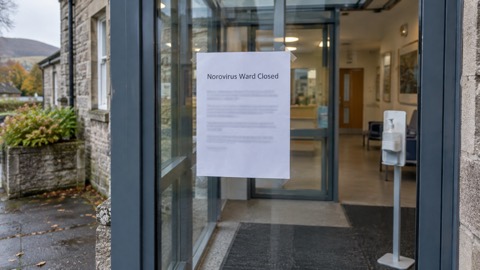
The average number of patients in hospital in England with norovirus each day rose to 1,012 this week, the highest level so far this winter, NHS England reported on 19 February 2026. The figure is up 8.9% on the previous week (929) and marks a second consecutive weekly rise, which NHS England said has prompted fears of a "second surge" in the vomiting virus1.
The average daily count rose by more than 2.5 times from the start to the end of January, from 361 to 950, according to the figures. Having briefly stabilised in the first week of February, numbers have now risen again for two weeks in a row1.
The average daily number of adult hospital beds closed because of norovirus symptoms this week was 1,257, up 8.2% on last week (1,162) and more than 190% on the first full week of January (432)1.
| Measure | This week | Previous week | First full week of January |
|---|---|---|---|
| Average daily norovirus patients in hospital | 1,012 | 929 | Not reported |
| Average daily adult beds closed due to norovirus symptoms | 1,257 | 1,162 | 432 |
Hospitals also recorded almost 3,000 (2,837) more ambulance handovers with known handover times than in the same week last year. Teams handed over patients on average slightly more quickly than last year, at 32:03 compared with 32:231.
Dr Claire Fuller, NHS national medical director, said:
"It's vital that we do all we can to avoid a second surge in norovirus at a time when the NHS remains flat out coping with winter pressures."
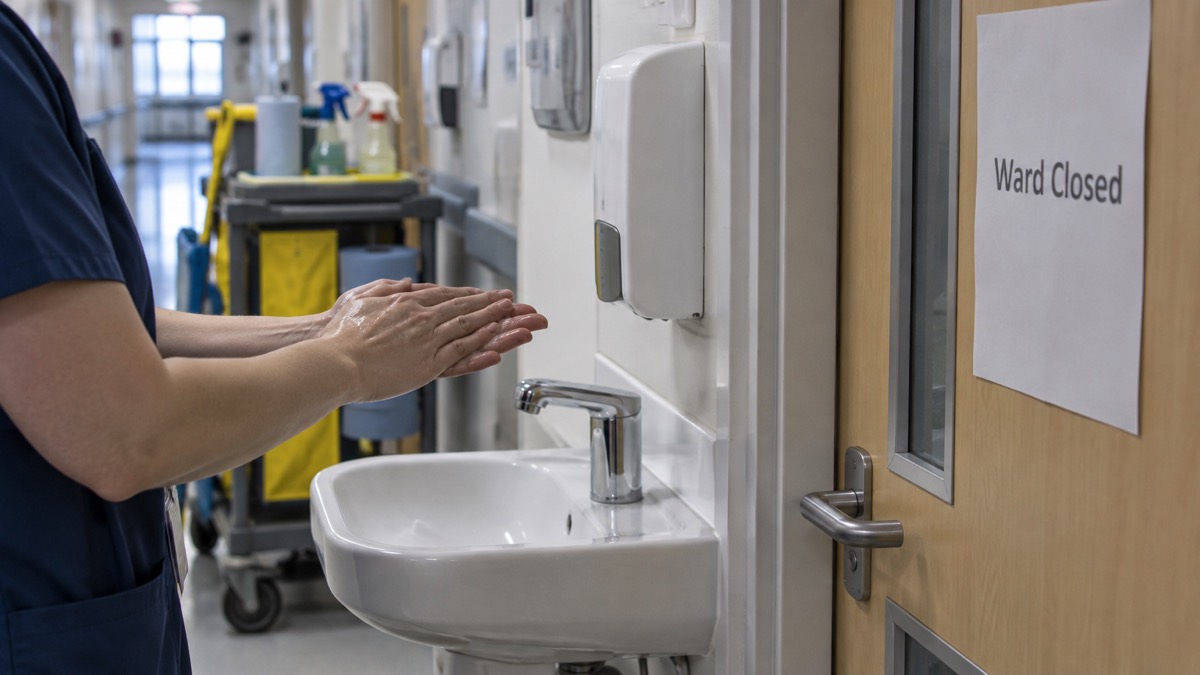
She added that people with symptoms should stay home, rest and drink fluids, and not go to places such as schools, workplaces, hospitals and care homes until they have been symptom free for at least two days. She also pointed to good hand hygiene with regular handwashing with soap and water, and said local pharmacies can provide support and advice and remedies, or people can contact 111 or use 111 Online1.
Why it matters for households
Norovirus spreads easily between people, so the rising hospital numbers reflect transmission in the community as well as pressure on NHS beds. NHS England's advice, attributed to its national medical director, is that anyone with symptoms should stay away from schools, workplaces, hospitals and care homes until they have been symptom free for at least two days, and should wash hands regularly with soap and water1. The practical effect for households is that a bout of the illness means time away from work or school for the duration of symptoms plus two days, and that visits to hospitals and care homes should be avoided during that period. The norovirus guide sets out the symptoms, how long the illness lasts and how to stop it spreading, and the health emergencies hub covers wider health alerts for households.
What happens next
NHS England publishes urgent and emergency care daily situation reports, and the norovirus figures are drawn from these. The next weekly comparison will show whether the second consecutive rise continues. No further dates or forecasts have been reported1.
 Norovirus Symptoms and Spreading