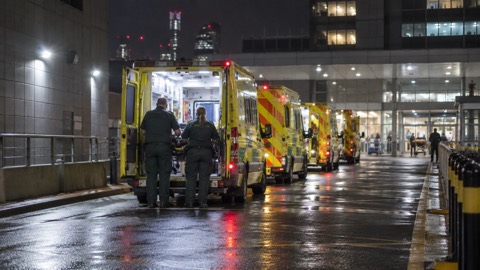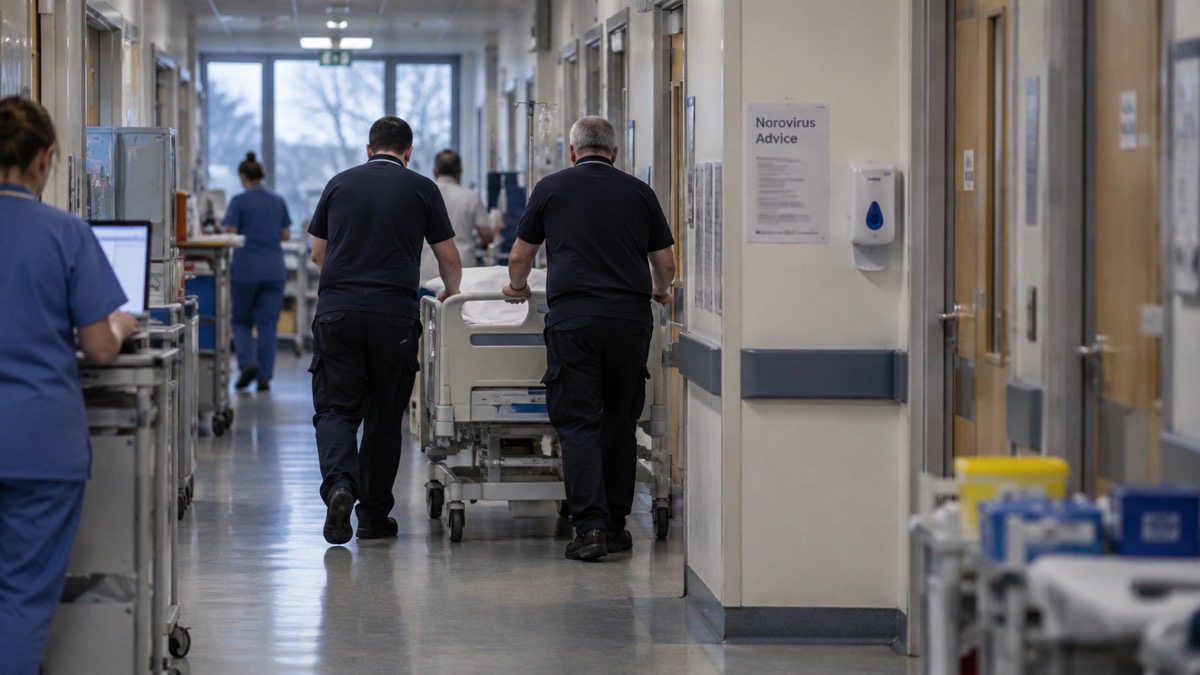
NHS England said on 22 January 2026 that hospitals in England remain under winter pressure, with norovirus patient numbers at their highest this winter and general and acute bed occupancy at 94.5% in the week ending 18 January1. The service is also preparing for a cold snap predicted for the weekend and into next week1.
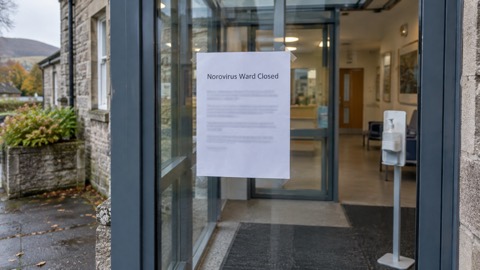
An average of 823 patients a day were in hospital with norovirus last week, up 45% on the previous week and more than double the figure of a fortnight earlier, which was 3611. NHS England said the 94.5% occupancy was higher than at any point during the middle of January since 2020, when it was 95%1. It described rising pressures as pushing hospitals to their busiest levels for this time of year since before COVID-191.
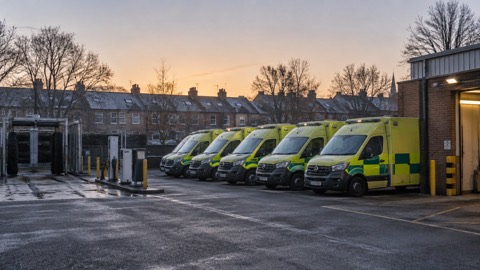
Some measures improved. Average ambulance handover times last week were 37:22, more than five minutes faster than the previous week's 42:511. A&E data published the previous week showed 73.8% of patients were admitted, transferred or discharged within four hours in December, which NHS England said was the best figure for five years1.
NHS National Medical Director Professor Meghana Pandit said:
"A rise in this vomiting virus is leaving hospitals under pressure. Norovirus cases didn't peak until February last winter, so we're monitoring closely for further increases ahead of another predicted cold snap this weekend."
Health and Social Care Secretary Wes Streeting said the government was investing £450 million to expand urgent and emergency care and putting 500 new ambulances on the road this winter1.
| Measure | Latest figure | Comparison |
|---|---|---|
| General and acute bed occupancy, week ending 18 Jan | 94.5% | 95% in mid-January 2020 |
| Average daily norovirus patients, last week | 823 | Up 45% on previous week; 361 a fortnight earlier |
| Average ambulance handover time, last week | 37:22 | 42:51 the previous week |
| A&E four-hour standard, December | 73.8% | Best for five years |
Why it matters for households
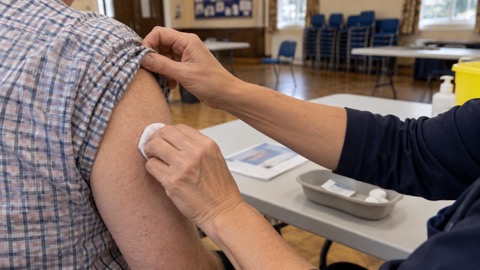
The pressure falls on anyone who may need hospital care in England in the coming days, with a cold snap expected to add further demand1. NHS England said people should come forward for care as normal if they need it1. On norovirus, Professor Pandit advised frequent handwashing with soap and water, and said people should not return to work, school or visit hospitals until they are 48 hours symptom-free1. She advised calling NHS 111 or a GP if symptoms are severe, persist beyond a few days or are a cause for concern1. NHS England also encouraged people to look in on vulnerable relatives, friends and neighbours, and to use 111.nhs.uk or call 111 for advice or if they feel unwell themselves1. It pointed to NHS.uk for cold weather advice, including how to keep warm and how to get help with heating1. More detail is in the guide to norovirus symptoms and how long it lasts, part of the health emergencies section.
What happens next
NHS England said norovirus cases did not peak until February last winter and that it is monitoring closely for further increases ahead of the predicted cold snap this weekend and into next week1. No further dates have been announced.
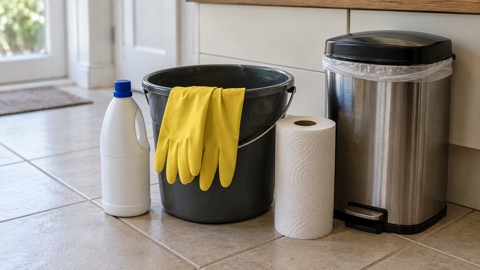 Norovirus Symptoms and Spreading