NHS England published survey findings on 2 September 2023 showing that nearly half of adults in England (45%) were not confident they could recognise the signs of a heart attack, rising to 51% among those aged over 55, who the health service says are more at risk1. Over a third (36%) said they would not call 999 if they or a loved one were experiencing chest pain, the most common symptom of a heart attack1. The findings form part of NHS England's ongoing Help Us, Help You campaign to raise awareness of heart attack symptoms1.
The survey also indicated confusion between heart attack and cardiac arrest. Nearly three-quarters of respondents (72%) said they were unaware of the difference between the two, and 51% wrongly believed a cardiac arrest is another name for a heart attack1. NHS England describes a heart attack as occurring when the supply of blood to the heart becomes blocked, which can starve it of oxygen and cause serious muscle damage, but the person will be conscious and breathing; a cardiac arrest usually occurs suddenly and without warning, with the person quickly losing consciousness, and a heart attack can lead to a cardiac arrest1.
NHS figures cited in the announcement show more than 84,000 hospital heart attack admissions in England during 2021/22, up by more than 7,000 on the previous year, when fewer people came forward for care during the pandemic1. NHS England says around 7 in 10 people survive a heart attack overall, rising to more than 9 in 10 for those who reach hospital early for treatment, and that nearly all heart muscle damage occurs in the first few hours of an attack1.
"It's so important for people to be able to recognise the potential signs of a heart attack. We know that symptoms of a heart attack don't always feel severe and can vary from person to person, but if you think you or somebody you're with is having a heart attack, don't be tempted to dismiss the signs or wait to see what happens. It's never too early to call 999 and describe your symptoms."
Symptoms listed by NHS England include pain, pressure, heaviness, tightness or squeezing across the chest; pain in other parts of the body such as the arms, jaw, neck, back and tummy; feeling lightheaded or dizzy; sweating; shortness of breath; feeling sick or being sick; an overwhelming feeling of anxiety; and coughing or wheezing1. Professor Nick Linker, NHS England's national clinical director for heart disease, said every moment that passes during a heart attack increases heart muscle damage, and that it is vital to call 999 and check symptoms if people experience pain or squeezing across the chest accompanied by a feeling of unease1.
Why it matters for households
The findings concern anyone in England who might witness a heart attack, in themselves or someone they are with. NHS England is encouraging the public to call 999 immediately if you or someone you're with might be having a heart attack1. Its cited figures put the value of acting early in plain terms: survival rises from around 7 in 10 overall to more than 9 in 10 for those who reach hospital early, and nearly all heart muscle damage occurs in the first few hours1. The survey suggests that a substantial share of adults would delay or not call 999 for chest pain, and that most do not know how a heart attack differs from a cardiac arrest, even though a heart attack can lead to one1. NHS England directs readers to nhs.uk/heartattack for more information1.
What happens next
No further dates or steps beyond the ongoing Help Us, Help You campaign and the film released on 2 September 2023 have been reported1.
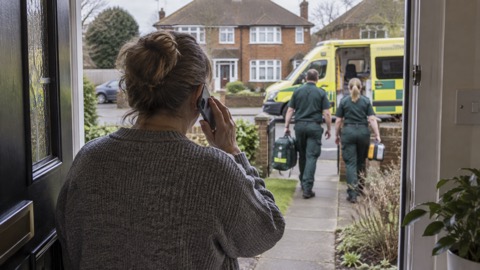 When to Call 999