NHS England reported on 23 January 2025 that flu rates in hospitals in England have dropped since their peak but remain almost 2.5 times higher than last year. In the week ending 19 January 2025, an average of 3,833 patients a day were in hospital with flu, including 176 in critical care1.
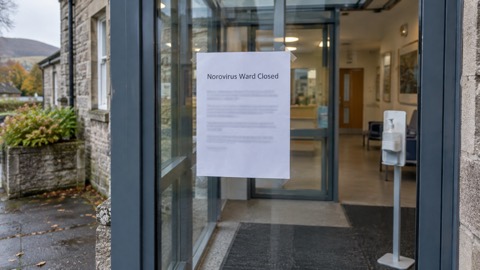
The same weekly figures show norovirus levels rising. An average of 784 patients a day were in hospital with norovirus last week, up from 650 the previous week, almost 80% higher than the same period last year (438 in 2024) and the highest seen in any January since 20201. Other winter viruses are adding to the strain: an average of 1,071 patients a day were in hospital with COVID-19 last week, and an average of 29 children a day were in hospital with RSV, a fall from 51 the previous week but still 91% up on last year (15 in 2024)1.
Hospitals remain extremely busy, with 96% of adult hospital beds occupied by patients. Almost one in seven of these, 13,710, were taken up last week by patients who did not need to be in hospital and were well enough to be discharged, 125 more than the previous week. Time lost to delays in ambulance handovers continued to fall to 18,971 hours, down a third on the week before (29,956 hours) and on the same week last year (28,712)1.
Professor Julian Redhead, NHS National Clinical Director for Urgent and Emergency Care, said:
"NHS hospitals have been hit by a surge in norovirus cases over the last week, with the highest level recorded in any January since 2020."
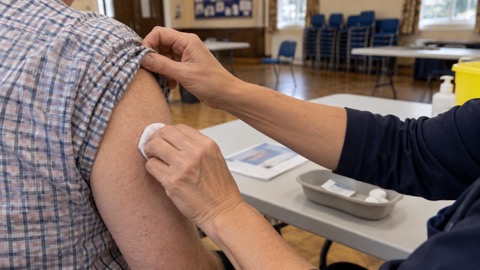
More than 29 million flu, COVID-19 and RSV vaccines have been delivered since autumn, and NHS England says those eligible can still protect themselves by visiting a COVID-19 walk-in vaccination site or finding a pharmacy offering the flu vaccine1. Health and Social Care Secretary Wes Streeting said it was not too late for eligible people to get their flu vaccination through a local pharmacy or GP1. NHS England states that norovirus can spread very easily and that washing hands frequently with soap and water is the best way to stop it spreading1. Professor Redhead said patients should continue to use 111 and 111 online for advice and support for health conditions, and call 999 or go to A&E in life-threatening emergencies1.
Why it matters for households
The figures cover hospitals in England for the week ending 19 January 2025. Flu hospitalisations have fallen from their peak but remain almost 2.5 times the level of last year, while norovirus admissions are at their highest for any January since 2020 and still rising week on week1. With 96% of adult beds occupied and 13,710 patients well enough to be discharged still in hospital, pressure on services remains high, and NHS England says hospitals remain extremely busy with patients1. The NHS advises that those eligible for flu, COVID-19 and RSV vaccination can still take up the offer, and that frequent handwashing with soap and water is the best way to stop norovirus spreading1. For general background on seasonal vaccination, see Vaccines That Protect Against Outbreaks: Flu, COVID-19, Measles and More, and for wider health emergency guidance, the health emergencies hub.
What happens next
NHS England publishes weekly urgent and emergency care situation reports for 2024-25, which will show whether norovirus levels continue to rise and whether flu admissions continue to fall1.