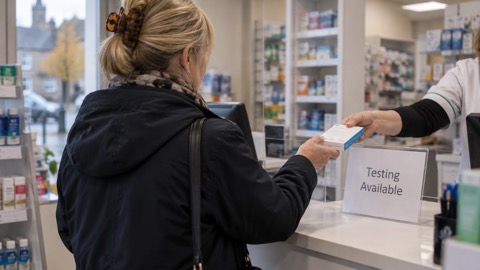
NHS England announced on 27 August 2024 that people in England can now call 111, select the mental health option and speak to a trained mental health professional1. The service covers people of all ages, including children, and also family members or loved ones who are concerned about someone1. It replaces the separate local crisis phone lines that individual health systems previously ran, which were fast-tracked during the pandemic and took around 200,000 calls per month1.
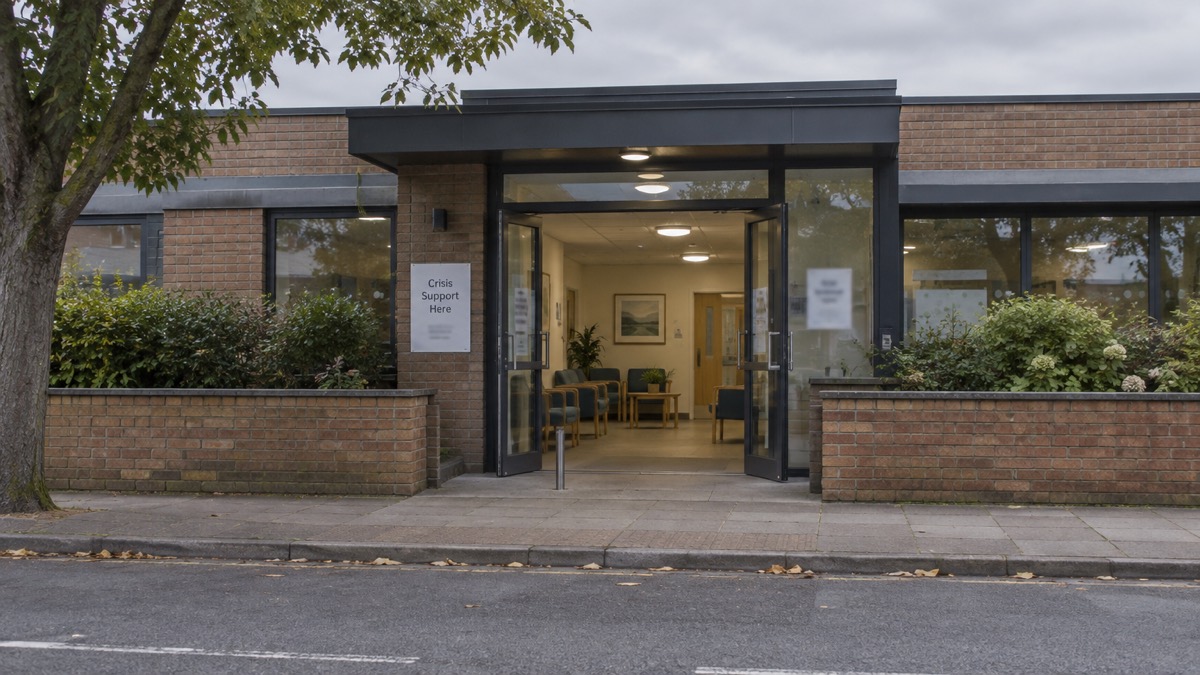
NHS England said the change makes the NHS in England one of the first countries in the world to offer access to a 24/7 full package of mental health crisis support through one single phone line1. Staff can guide callers with next steps, such as organising face-to-face community support or facilitating access to alternative services, including crisis cafés or safe havens that provide a place to stay as an alternative to A&E or a hospital admission1. The service is also suitable for deaf people, with tailored services available via the NHS 111 website1.
The announcement set out related provision across the health service in England:
| Provision | Detail |
|---|---|
| Emergency departments | Every emergency department in England now has a liaison psychiatric team available to offer specialist care1 |
| NHS Talking Therapy Services | Available for conditions such as anxiety, depression, obsessive compulsive disorder and PTSD; people can refer themselves online via NHS.uk or by contacting their GP1 |
| Investment | An extra £2.3 billion invested into expanding mental health services1 |
| Community mental health treatment | The health service has met its ambition to expand treatment by 370,000 people per year for patients with severe mental illness1 |
Claire Murdoch, NHS National Director for Mental Health, said:
"While the NHS made significant progress during the pandemic with local services creating their own crisis phone lines, we want to go a step further by giving people everywhere in England one single point of access via NHS 111."
Mark Winstanley, Chief Executive of Rethink Mental Illness, said a mental health crisis is traumatic and disorientating, and that getting help as quickly as possible is vital1. He said the NHS had made it easier to access urgent support via 111, building on provision already in place through crisis lines1. Minister of State for Care Stephen Kinnock said that for the first time there is one number to call whether someone is feeling physically unwell or worried about their mental health1. He also said the government is recruiting an additional 8,500 mental health workers to reduce delays and provide faster treatment alongside reforming the Mental Health Act1.
Why it matters for households
For households in England, the number to reach urgent mental health support is now 111 rather than a separate local crisis line, and the mental health option is available at any hour1. The NHS continues to advise people to call 999 if there is a serious risk to life1. NHS England also points to free listening services provided by charities such as The Samaritans and the Shout Crisis text line, and to a full list of mental health support options on the NHS.uk website1. NHS Birmingham and Solihull, in winter guidance, describes the same route: people of all ages who are in a mental health crisis or concerned about a loved one can call 111, select the mental health option and speak to a trained mental health professional, with tailored services for deaf people available via the NHS 111 website2. The same guidance notes that NHS 111 can assess and direct people to the most appropriate local service, including urgent treatment centres, GP practices, urgent dental care or consultations with a pharmacist, and can arrange a call back from a nurse, doctor or paramedic if needed2. It adds that it is estimated that up to two-fifths of A&E attendances are avoidable or could be better treated elsewhere2.
Our guide to NHS 111: What It Can Help With and How to Use It sets out how the service works, and the Non-Emergency Numbers: 101, 105 and NHS 111 page covers how 111 sits alongside other numbers. The health emergencies section covers wider health incidents.
What happens next
No further timetable for the mental health option on 111 has been reported. The recruitment of an additional 8,500 mental health workers and reform of the Mental Health Act were described by the minister as separate priorities, without dates1.
Sources (2)
- NHS England » NHS 111 offering crisis mental health support for the first time, england.nhs.uk
- Keep Winter Well | Website, bhamcommunity.nhs.uk
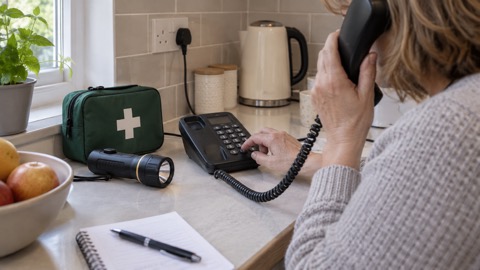 Non-Emergency Numbers
 NHS 111 How to Use It