The National Fire Chiefs Council (NFCC) alerted the public to fire safety advice for e-bikes and e-scooters on 5 July 2023, following an e-bike fire in Cambridgeshire in which a mother and two children died1. The NFCC said the Cambridgeshire incident was not the first to cause fatalities, with others having occurred in London, Merseyside and Bristol, as well as in cities across the world1.
The council said e-bikes and e-scooters are becoming increasingly popular and that many fire services have reported an increase in incidents related to these products, with the fires often linked to the lithium batteries used to power them1. It said lithium battery packs for e-bikes and e-scooters store a significant amount of energy in a very small space and are much more powerful than other types of battery1. According to the NFCC, overheating or damage to battery packs, overcharging or short circuiting, for example through water ingress, can cause a fault within damaged battery cells which may cause the battery to fail, and the battery can explode or cause a rapidly developing fire1. It added that the wrong chargers or substandard chargers and batteries will also significantly increase the fire risk1.
Mark Hardingham, Chair of the NFCC, said:
"As e-bikes and e-scooters become more popular and a convenient and easy to use part of our everyday lives, fire services have seen them increasingly cause fires, some of those fires bringing tragic outcomes."
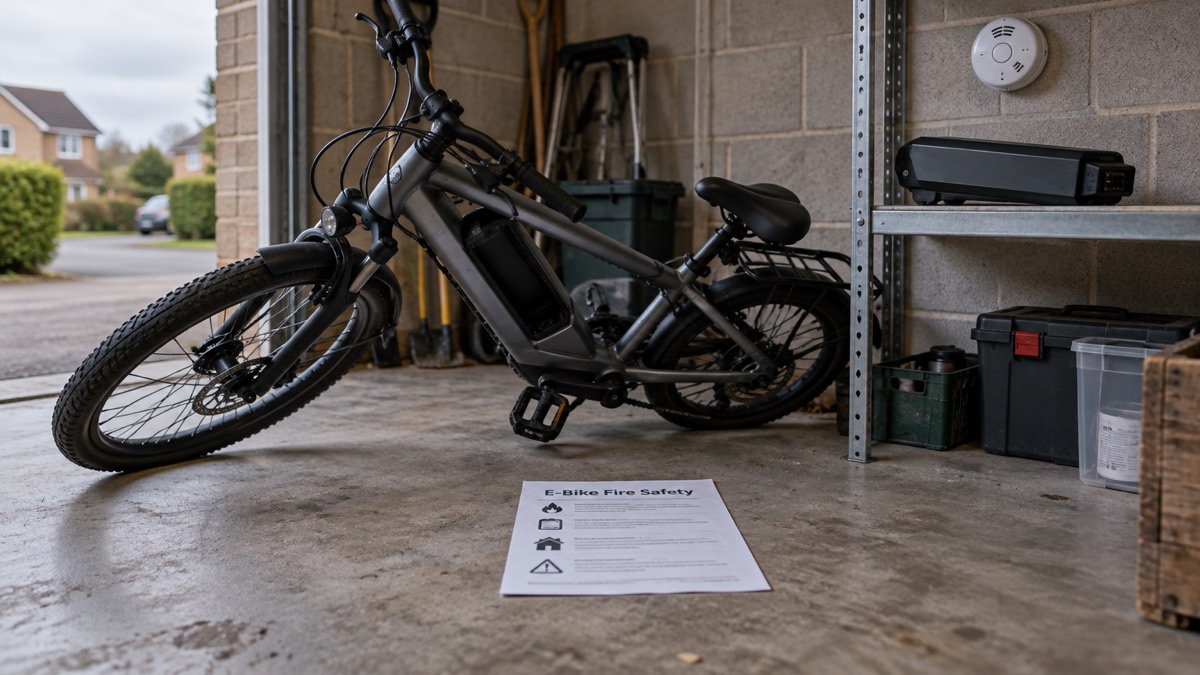
The NFCC's advice to consumers covers buying, charging, storing and inspecting the products and their batteries1:
| Subject | NFCC advice |
|---|---|
| Suspected substandard products | Stop using the product immediately and contact both the manufacturer and Trading Standards1 |
| Charging | Charge batteries in accordance with the manufacturer's instructions and unplug them when the charge is complete; only charge batteries when awake and alert, and not when asleep1 |
| Location | Always charge e-bikes clear of exits and away from escape routes, because if they catch fire they will block the only route out of the home1 |
| Inspection | Regularly inspect batteries for signs of damage and do not charge or use a damaged battery; a battery that is slow to charge or not holding charge should be replaced, and one that gets hot, bulges or hisses when charging should be unplugged and not used1 |
| Alarms | Install at least one smoke alarm on each level of the home and test them once a month1 |
| Signs of fire | If the battery is smoking or there are flames, raise the alarm, get out, stay out and call 9991 |
Why it matters for households
The advice applies to households that own or are considering an e-bike or e-scooter, including conversion kits and replacement chargers and batteries1. The NFCC links the fires to lithium battery packs, which it says can fail after overheating, damage, overcharging or water ingress, and says substandard chargers and batteries significantly increase the risk1. Its advice is to buy only from a reputable retailer, to stop using a suspected substandard product and contact the manufacturer and Trading Standards, to charge only while awake and alert and away from exits and escape routes, to unplug when charging is complete, to inspect batteries regularly and not to charge or use a damaged one, and to fit and monthly test smoke alarms on each level of the home1. If a battery smokes or flames, the NFCC advises raising the alarm, getting out, staying out and calling 9991. Further guidance on charging and storing these products is set out in the guide to e-bikes and e-scooters, part of the home emergencies section.
What happens next
No further steps have been reported. The NFCC has published its safety advice for e-bikes and e-scooters, and links to the London Fire Brigade's #ChargeSafe guidance1.
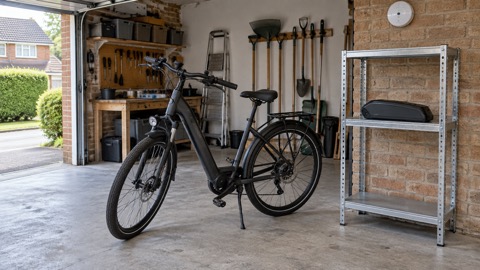 E-bike Charging Safety