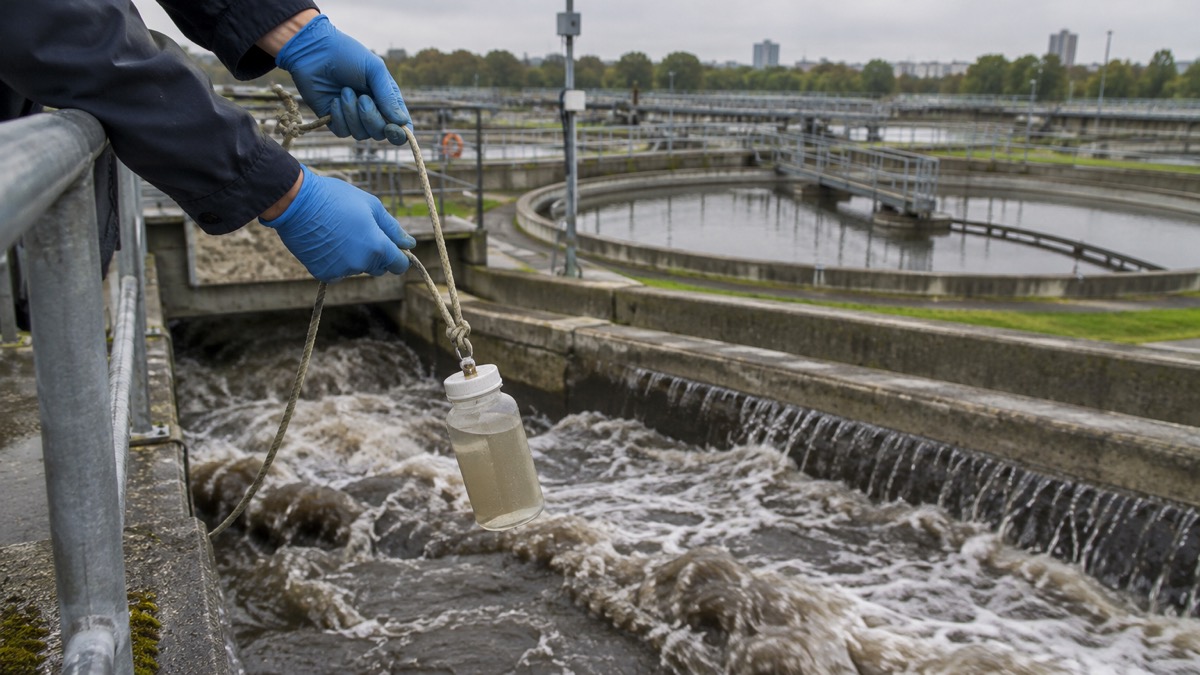
A national incident was declared in June 2022 after the UK Health Security Agency (UKHSA), working with the Medicines and Healthcare products Regulatory Agency (MHRA), detected poliovirus in sewage samples collected from the London Beckton Sewage Treatment Works1. The samples in which several closely related viruses were found were taken between February and May 20221.
The virus has evolved over that period and has been classified as a vaccine-derived poliovirus type 2 (VDPV2)1. The findings suggest some spread between a limited number of individuals, most likely within an extended household, in the North and East London area1. At that point no one had come forward with symptoms, and it was likely that infected persons did not realise they had polio1. The UK was officially declared polio-free in 2003, and the last case of wild polio was contracted in the UK in 19842.
Sewage is regularly monitored for viruses as part of routine surveillance, and it is normal for one to three vaccine-like polioviruses to be detected each year in UK sewage samples, but these have always been one-off findings that were not detected again1. The UKHSA's Dr Vanessa Saliba said:
"Vaccine-derived poliovirus is rare and the risk to the public overall is extremely low. Vaccine-derived poliovirus has the potential to spread, particularly in communities where vaccine uptake is lower. On rare occasions it can cause paralysis in people who are not fully vaccinated so if you or your child are not up to date with your polio vaccinations it's important you contact your GP to catch up or if unsure check your Red Book."
The clinical picture set out by the Chartered Institute of Plumbing and Heating Engineering (CIPHE) is as follows1:
| Feature | Detail |
|---|---|
| Asymptomatic cases | Approximately 72% show no symptoms |
| Flu-like illness | Around 25% of cases, symptoms lasting up to 10 days |
| Paralysis | Less than 1% develop paralytic poliomyelitis |
| Incubation | Most common six to 20 days; can be three to 35 days |
| Transmission | Mainly faecal-oral; to a lesser extent oral-oral by coughing and sneezing |
| Spread period | An infected person can spread the virus for up to six weeks; it can live in contaminated faeces for a number of weeks |
There is no cure for polio, but it can be prevented by vaccination1. The CIPHE states that the outbreak is very small and the chances of catching the virus are extremely slim, that vaccinated people should face very little risk even in direct contact with an infected person, and that unvaccinated children have the highest risk1. The NHS estimates around 120,000 people in the UK survived polio when they were younger; it is unknown how many will develop post-polio syndrome, with estimates varying from 15% to 80%2.
Why it matters for households
The detection concerned sewage from the Beckton works serving North and East London, and the agency's assessment was that spread was most likely within a limited number of households in that area1. The UKHSA's position, given in June, was that the overall risk to the public was extremely low, while noting that vaccine-derived poliovirus can spread particularly where vaccine uptake is lower and can rarely cause paralysis in people who are not fully vaccinated1. The UKHSA advises anyone who is not up to date with polio vaccinations, or who is unsure, to contact their GP to catch up or check their Red Book1. The CIPHE also sets out hygiene measures: hand washing especially after using the toilet and before preparing food, regular cleaning and disinfection of toilets, washbasins and common touch points such as door handles, keeping toothbrushes as far from the toilet as possible where the bathroom is shared, and closing the toilet seat before flushing2. It cites research showing toilet plume particles can reach 106.5 cm above the ground and may stay suspended long enough to be breathed in after flushing2. The UK Health Security Agency's role in outbreak alerts and local response is set out in our guide to the UK Health Security Agency, and wider outbreak advice sits in the health emergencies hub.
What happens next
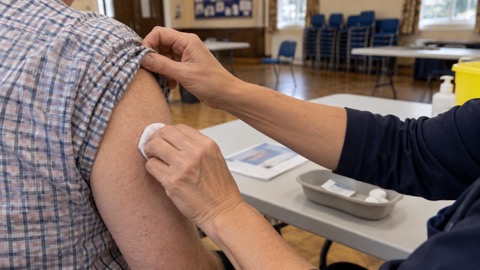
Jane Clegg, Chief Nurse for the NHS in London, said the majority of Londoners are fully protected against polio and will not need to take any further action, but that the NHS would begin reaching out to parents of children aged under 5 in London who are not up to date with their polio vaccinations to invite them to get protected1. The CIPHE reports that the authorities were urgently investigating the cause of the outbreak and the extent of transmission1. No further dated steps have been reported.
Sources (2)
- UK polio outbreak, should I be worried? | CIPHE, ciphe.org.uk
- Poliovirus | CIPHE, ciphe.org.uk
 UK Health Security Agency