NHS guidance published on 19 February 2026 reports that norovirus activity is higher than in previous years, and sets out how households can recognise the illness, recover at home and limit its spread. The guidance was issued by NHS Essex integrated care board, with a lead nurse for infection prevention and control as its author1.
The guidance states that recent national data shows raised norovirus activity, and describes the virus as highly contagious and easily spread where people are in close contact, including schools, workplaces, hospitals and care homes, as well as busy public settings such as restaurants, holiday resorts and public transport1. It says symptoms usually start suddenly and may include nausea, vomiting, diarrhoea, stomach cramps, headache, a mild fever and aching limbs, typically beginning one to two days after infection and usually improving within two to three days1. Most people recover fully within two to three days without medical treatment, though tiredness may last slightly longer, and antibiotics are not effective because the illness is caused by a virus1.
"Recent national data shows higher levels of norovirus activity than in previous years"
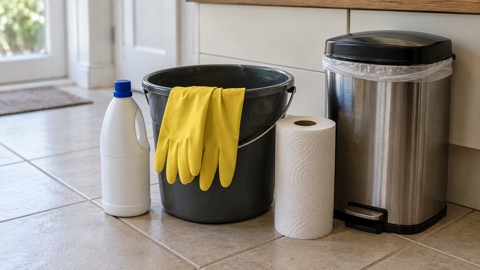
The guidance says people can spread the virus from the moment symptoms begin until at least 48 hours after they stop, and advises staying off work, school, nursery or childcare until at least 48 hours after symptoms have stopped, and avoiding visits to hospitals, care homes or vulnerable people during that time1. It advises washing hands thoroughly with soap and warm water, especially after using the toilet and before preparing food, and says alcohol hand gels should not be relied on alone because they do not kill norovirus effectively1. It also advises washing contaminated clothing, towels and bedding at 60°C or higher and cleaning surfaces with bleach-based household cleaners1.
On recovery, the guidance advises staying at home and resting until feeling better, drinking plenty of fluids such as water, diluted squash or oral rehydration sachets, and taking paracetamol if needed for fever, headaches or aches1. It advises speaking to a pharmacist or contacting NHS 111 for advice if needed, and says people should avoid visiting a GP surgery, pharmacy or A&E unless advised to do so, to prevent spreading the virus1. Dehydration can be more serious for babies and young children, older people, people with long-term health conditions and people with weakened immune systems1.
| Situation | Action given in the guidance |
|---|---|
| Blood in diarrhoea, symptoms lasting longer than expected, or a serious underlying health condition | Contact a GP1 |
| Unable to keep fluids down, signs of dehydration such as fewer wet nappies, dry mouth or dizziness, vomiting lasting more than two days, or diarrhoea lasting more than seven days | Contact NHS 1111 |
| Vomit containing blood or looking like coffee grounds, green or yellow-green vomit, stiff neck, sensitivity to light or sudden severe headache, severe abdominal pain, or suspected poisoning | Call 999 or go to A&E immediately1 |
Why it matters for households
The guidance applies across households in England, since it reports national data and is issued by an NHS body. It sets out what changes for households where someone falls ill: the person affected is advised to stay at home until they feel better, and to remain off work, school, nursery or childcare until at least 48 hours after vomiting and diarrhoea have stopped1. The guidance advises against visiting hospitals, care homes or vulnerable people during that period, and against attending a GP surgery, pharmacy or A&E unless advised to do so1. It advises that alcohol hand gels should not be relied on alone, and that handwashing with soap and warm water, washing contaminated bedding and clothing at 60°C or higher, and cleaning surfaces with bleach-based household cleaners are the measures it sets out for limiting spread1. It identifies babies and young children, older people, people with long-term health conditions and people with weakened immune systems as groups for whom dehydration can be more serious1. Further detail on symptoms, duration and limiting spread is set out in the guide to norovirus, within the wider health emergencies section.
What happens next
The guidance gives no end date for the raised activity and no further scheduled announcement. It directs readers to NHS.uk or NHS 111 for more advice1.
Sources (1)
- Norovirus: symptoms, recovery, and how to prevent spread, essex.icb.nhs.uk
 Norovirus Symptoms and Spreading