The Medicines and Healthcare products Regulatory Agency (MHRA) and the National Fire Chiefs Council (NFCC) issued a joint winter safety warning on 24 December 2025 about fire risks linked to emollient skin creams, which millions of people use to relieve dry or itchy skin during winter1.
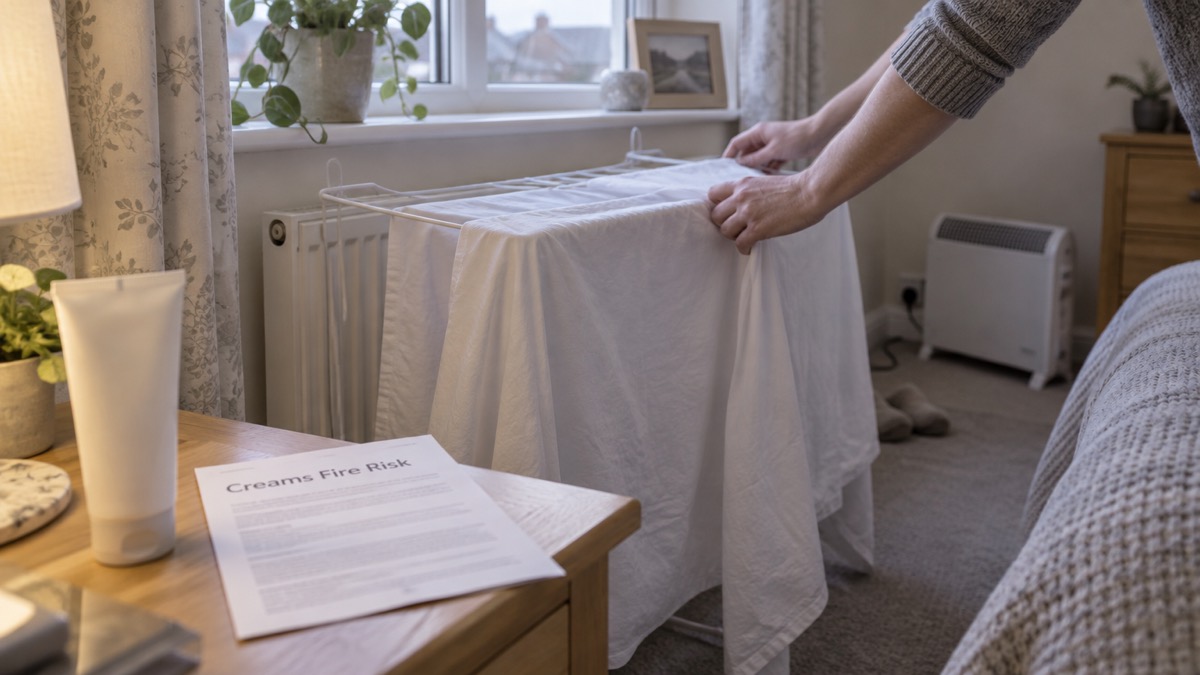
The regulators state that the creams themselves are not flammable, but that residue from them can build up on clothing, bedding, bandages and soft furnishings. This can make these materials ignite more easily and burn more rapidly if they come into contact with a flame, cigarette or close to heat sources like open fires, electric bar, gas or halogen heaters1. The NFCC says contaminated fabrics can catch fire quickly and cause a fire to spread quickly1.
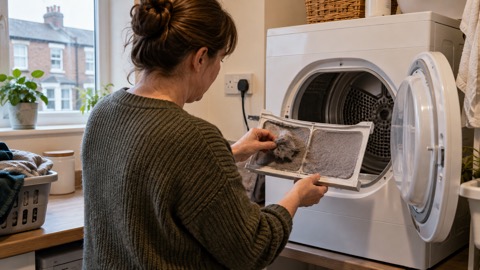
The two bodies set out three precautions. They advise avoiding smoking, candles and other naked flames and open fires if fabrics have dried on emollient products; sitting at least 1 metre away from open fires and heaters, because sitting too close could set light to fabrics; and washing items at the highest temperature recommended on the care label to help reduce cream build-up. They add that washing does not remove residue completely, so continued caution is important1.
"Our crews have seen how quickly fires can escalate when skin creams are involved. We're asking everyone, especially carers, family members and healthcare professionals, to help share this message."
Catriona Blake, from the MHRA's Safety and Surveillance team, said winter brings warmth, comfort and more time indoors but can also bring increased fire risk, and that residues from emollient creams can make fabrics burn faster than people expect1.
| Precaution | What the MHRA and NFCC advise |
|---|---|
| Flames | Avoid smoking, candles and other naked flames and open fires if fabrics have dried on emollient products1 |
| Heaters | Sit at least 1 metre away from open fires and heaters1 |
| Washing | Wash items at the highest temperature recommended on the care label; residue is not removed completely1 |
Why it matters for households
The warning applies to anyone in a household who uses emollient creams, and to the people who care for them. The NFCC asks carers, family members and healthcare professionals in particular to help share the message1. The risk arises not from the cream on the skin but from residue that has dried into clothing, bedding, bandages and soft furnishings, which is why the advice covers laundry and seating distance from heaters as well as naked flames1. The guide to emollient creams and fire risk sets out the background for households, and the home emergencies hub covers related winter risks.
What happens next
The MHRA and NFCC point households to an online home fire safety check at www.ohfsc.co.uk for advice, and to the joint campaign, which can be found by searching "Know the Fire Risk"1. No further dates or campaign phases have been reported.
 Emollient Creams and Fire Risk