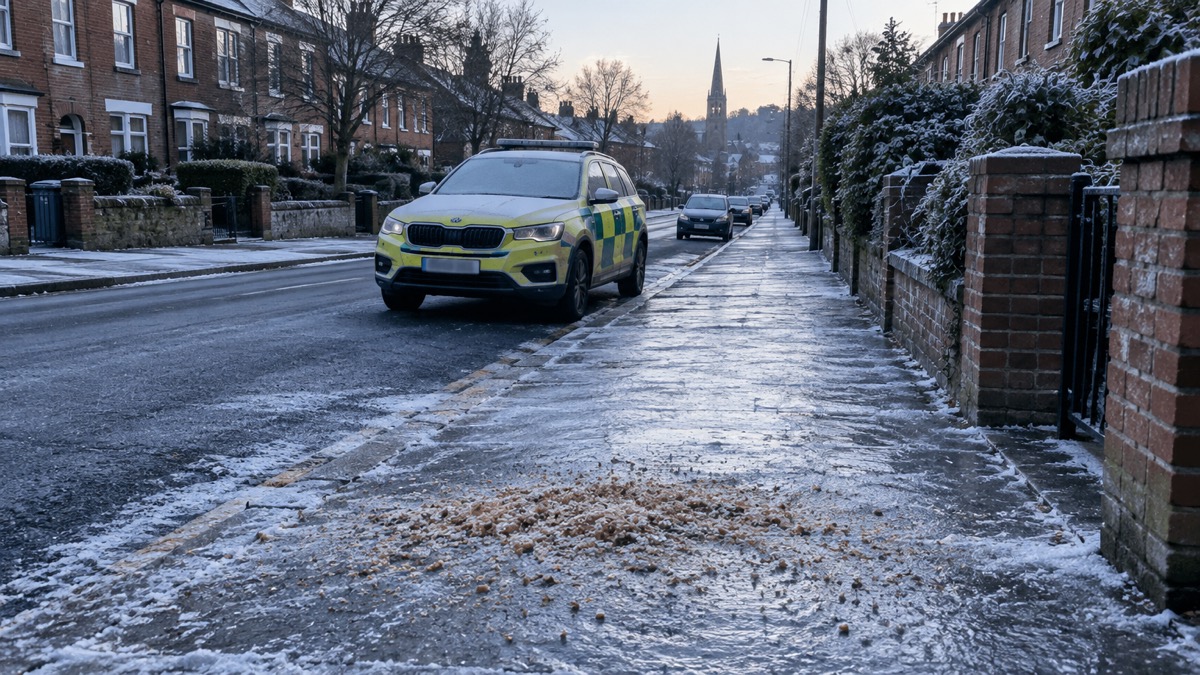
South Central Ambulance Service NHS Foundation Trust (SCAS) issued the warning on 2 January, citing a yellow snow warning from the Met Office covering its region. The trust said the warning indicates the chance of snow, ice and cold temperatures across the region, and that this is likely to create difficult driving conditions which increase the number of road traffic collisions and emergency call outs to the ambulance service1.
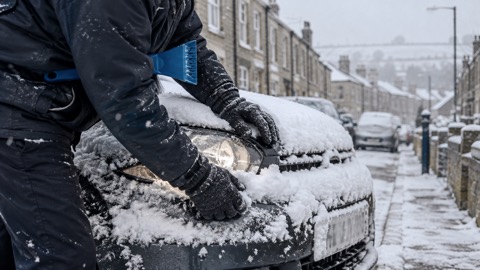
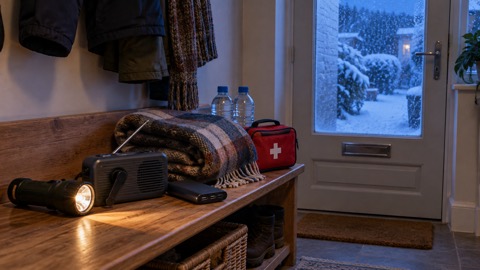
Kirsten Willis-Drewett, assistant director of operations for the Thames Valley at SCAS, advised people to think carefully about braking distances and to keep further away from the car in front, and warned against rushing around in the cold weather, asking people to take extra care when travelling1. The trust said it is vital that drivers completely clear all ice, snow and mist from their car before setting off, noting that reduced visibility is one of the leading causes of car accidents in bad weather. It said the Highway Code requires a driver to be able to see out of every glass panel, and that a fine can follow if this is not done1. It added that incidents commonly involve pedestrians and cyclists, particularly where black ice has caught people out, and that ice can prevent cars, bikes and people from having any grip, so it is important to move slowly, especially around corners, and brake early to avoid skidding1. The trust also suggested packing warm layers and blankets in the car, dressing warmly when walking outside, and considering charging phones and torches for use in an emergency1. It said that with the NHS under increased pressure, precautions that minimise an avoidable emergency would be appreciated and allow ambulance crews to respond more quickly to patients facing a serious or life-threatening emergency1.
Reporting on Monday 6 January described wider disruption as the cold snap continued. The Met Office issued three yellow warnings for snow and ice which came into force across large parts of the UK on Monday afternoon and lasted into Tuesday, with a separate warning for snow in southern England on Wednesday from 9am until 11.59pm2. A warning for snow and ice was in place across most of southwest England and Wales and parts of northwest England and the West Midlands from 5pm on Monday until 10am on Tuesday, with the same warning issued for western and northern parts of Scotland from 4pm on Monday until midday on Tuesday and in Northern Ireland from 3pm on Monday until 11am on Tuesday2. The UK's coldest night of the winter so far recorded -13.3C at Loch Glascarnoch in the Highlands overnight on Sunday2.
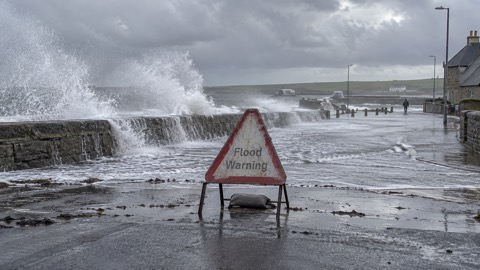
Flooding brought major incidents. Leicestershire Fire and Rescue Service said it declared a major incident in response to widespread flooding across Leicester, Leicestershire and Rutland on Monday morning after receiving more than 200 calls, with crews freeing cars stuck in flood water, evacuating residents from flooded homes and rescuing at least 17 members of the public2. Lincolnshire Resilience Forum announced a major incident in Lincolnshire on Monday afternoon, with emergency services rescuing children stranded at a school in Edenham amid flooding2. North Yorkshire police said the body of a man had been recovered on Monday from an area of flooding in Beal, near Eggborough and Knottingley; officers believe he entered the water on Saturday or Sunday, and said there were no suspicious circumstances2. At 4pm on Monday the Environment Agency had 177 flood warnings and 311 flood alerts active across England, and Natural Resources Wales had one flood warning and 18 flood alerts in place2.
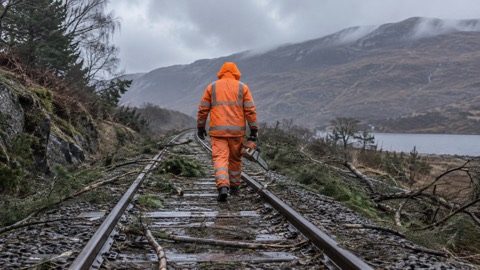
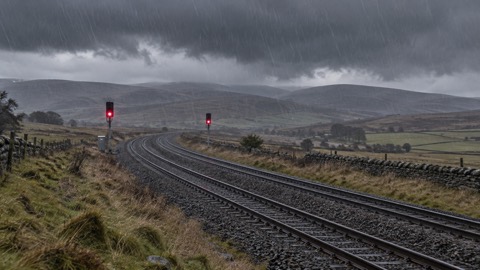
Travel was affected across road, rail and air. Manchester airport's two runways closed early on Monday because of heavy snow but later reopened, with three departures cancelled and a number of other flights delayed2. The M25 was closed anticlockwise from junction 10 for the A3 to junction eight for Reigate after a lorry crashed into the central reservation and came to rest sideways across the carriageway2. The A66 in Cumbria was closed in both directions between the A1M and the M6 because of snow, and the A628 Woodhead Pass between the A616 for Flouch and the A57 for Hollingworth because of flooding2. Flooding forced the closure of all railway lines between Derby and both Nottingham and East Midlands Parkway, affecting CrossCountry and East Midlands Railway services, with those operators also disrupted between Peterborough and Leicester2. Hundreds of schools closed on Monday in areas including Lancashire, Yorkshire and northeast Scotland2.
Met Office chief meteorologist Frank Saunders said:
"In addition to the ice, we could see snow accumulations of a few centimetres above 200 metres, with a chance of greater than 5cm above 200 metres in Wales."
Why it matters for households
The SCAS warning covers its own region and runs from midday on Saturday 4 January to 09.00 on Monday 6 January1. The later warnings reported on Monday cover southwest England and Wales, parts of northwest England and the West Midlands, western and northern Scotland and Northern Ireland into Tuesday, with a further snow warning for southern England on Wednesday2. The Met Office advised people to be prepared for more ice and snow, with more than 5cm in the worst hit areas, and Mr Saunders said it is not possible to say exactly where snow might fall, so it is important that people are prepared2. SCAS advised drivers to clear all glass panels before setting off, to allow extra braking distance, to move slowly and brake early on ice, and to carry warm layers and blankets1. The Environment Agency's flood warnings and alerts, as reported at 4pm on Monday, indicate where flooding is expected or possible in England2.
What happens next
The snow and ice warning reported by SCAS ends at 09.00 on Monday 6 January1. The warnings reported on Monday run into Tuesday, with the southwest England, Wales, northwest England and West Midlands warning until 10am, Scotland until midday and Northern Ireland until 11am, and the southern England snow warning runs from 9am until 11.59pm on Wednesday2.
Households can read how warning levels work in the guide to Met Office weather warnings, how to receive alerts in the guide to signing up for Met Office weather alerts, and practical travel and driving guidance in driving in snow and ice and whether to delay a journey. The wider storms, snow and ice household guide covers preparation at home.
 Met Office Weather Warnings
 Delaying Journeys in Bad Weather
 Driving in Snow and Ice
 Snow and Ice Household Guide