WaterSafe Register has urged households across the UK to check their stop tap as the clocks fall back on Sunday 25 October1. The register said a survey it carried out found that 14% of people nationally do not know where their stop tap is1.
The survey found differences by region and by age. Northern Ireland has the highest proportion who do not know where their stop tap is, at 21%, while the East of England, North East and West Midlands have the lowest proportions, each at 12%1. Among 18 to 24-year-olds, 37% do not know where their stop tap is, compared with 6% of people aged 65 and over1.
| Group | Do not know where their stop tap is |
|---|---|
| National | 14% |
| Northern Ireland | 21% |
| East of England | 12% |
| North East | 12% |
| West Midlands | 12% |
| Aged 18 to 24 | 37% |
| Aged 65 and over | 6% |
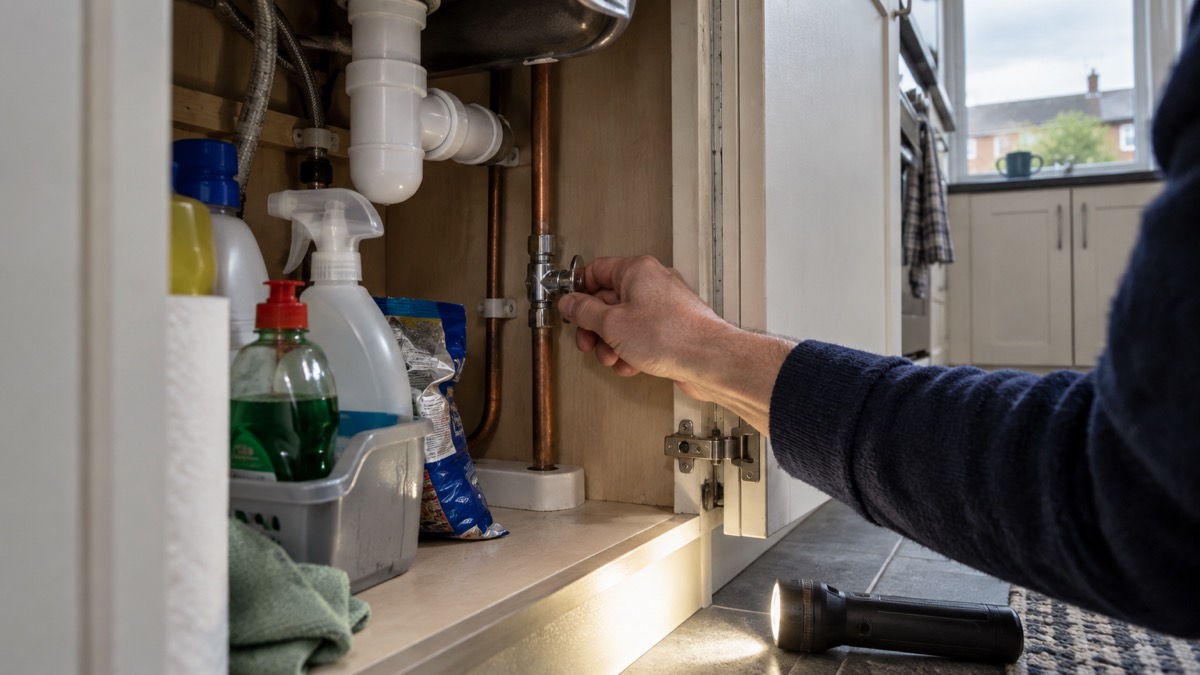
WaterSafe Register describes the internal stop tap as the first line of defence against plumbing emergencies, and says turning off the mains water supply can help prevent property damage and costly repairs if a pipe leaks or bursts1. It says stop taps, also known as stop cocks or stop valves, are often found under the kitchen sink, or in downstairs bathrooms, kitchen cupboards, garages, cellars and under the stairs1.
"We're urging households to check their stop taps on Sunday 25 October when clocks are turned back - and to test them again when clocks go forward in spring."
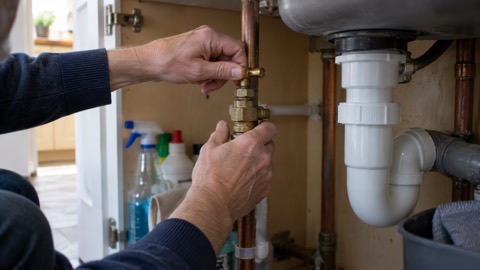
The register advises people to make sure they can operate their property's stop tap every six months by gently turning it off and back on again1. It says lever-type valves should be left fully open, while screw-down stop taps should be turned back half a turn after fully opening, to prevent seizing1. If the stop tap is difficult to turn or does not move at all, it advises contacting a WaterSafe-registered plumber for advice1. Thousands of registered plumbers and drinking water contractors are listed at watersafe.org.uk1.
Why it matters for households
The call applies to households across the UK and is timed to the clocks going back on Sunday 25 October1. A stop tap that cannot be turned, or whose location is unknown, leaves a household unable to shut off the mains supply quickly if a pipe leaks or bursts, which the register links to property damage and repair costs1. The survey figures indicate that the gap is widest among younger adults and in Northern Ireland1. WaterSafe Register's advice is to test the tap every six months, using the clock changes in autumn and spring as reminders, and to seek advice from a WaterSafe-registered plumber if the tap is difficult to turn or does not move1. The guidance on valve types is that lever-type valves should be left fully open and screw-down stop taps turned back half a turn after fully opening1.
The guide to finding the inside and outside stop tap sets out where valves are commonly located and how to operate them, within the site's home emergencies hub.
What happens next
WaterSafe Register asks households to test their stop tap again when the clocks go forward in spring1.
Sources (1)
- UK households urged to check stop taps as clocks fall back, watersafe.org.uk
 Stop Taps and Valves